
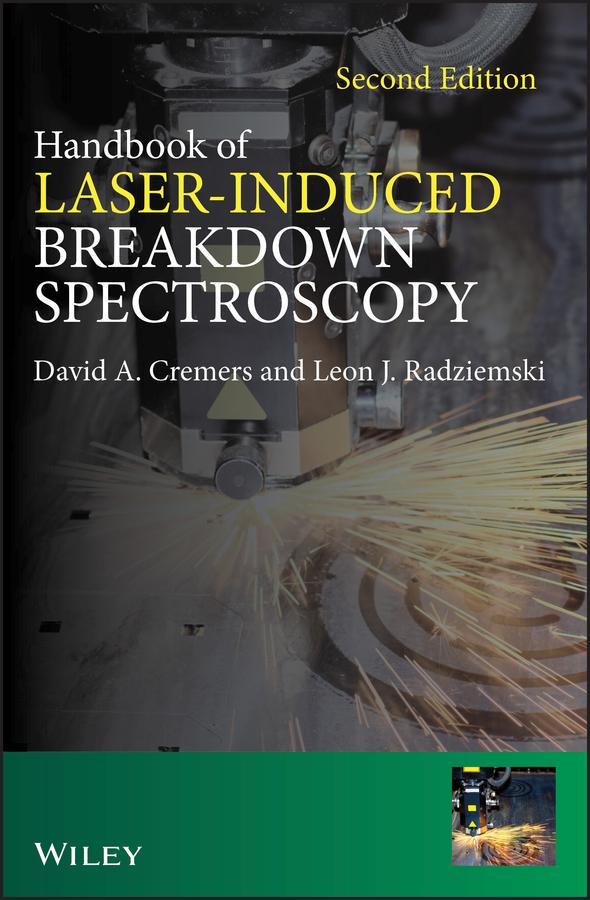
Starting from fundamentals and moving through a thorough discussion of equipment, methods, and techniques, the Handbook of Laser-Induced Breakdown Spectroscopy provides a unique reference source that will be of value for many years to come for this important new analysis method. The authors, with a total of over 60 years of experience in the LIBS method, use a combination of tutorial discussions ranging from basic principles up to more advanced descriptions along with extensive figures and photographs to clearly explain topics addressed in the text. In this second edition, chapters on the use of statistical analysis and advances in detection of weapons of mass destruction have been added. Tables of data related to analysis with LIBS have been updated.
The Handbook of Laser-Induced Breakdown Spectroscopy, Second Edition:
- provides a thorough but understandable discussion of the basic principles of the method based on atomic emission spectroscopy, including recently available data leading to better characterization of the LIBS plasma;
- presents a discussion of the many advantages of the method along with limitations, to provide the reader a balanced overview of capabilities of the method;
- describes LIBS instrumentation ranging from basic set-ups to more advanced configurations;
- presents a comprehensive discussion of the different types of components (laser, spectrometers, detectors) that can be used for LIBS apparatuses along with suggestions for their use, as well as an up-to-date treatment of the newest advances and capabilities of LIBS instruments;
- presents the analytical capabilities of the method in terms of detection limits, accuracy, and precision of measurements for a variety of different sample types;
- discusses methods of sampling different media such as gases, liquids, and solids;
- presents an overview of some real-world applications of the method, with new emphasis on sampling of biologically and physically dangerous materials;
- provides an up-to-date list of references to LIBS literature along with the latest detection limits and a unique list of element detection limits using a uniform analysis method;
- provides annotated examples of LIBS spectra which can serve as references for the general reader and will be especially useful for those starting out in the field.
Paga facilmente con carta, Klarna, Apple Pay o Google Pay. Non sei soddisfatto? Hai sempre 14 giorni per il rimborso. Leggi di più nei nostri termini. Per qualsiasi domanda, scrivici a hello@memmo.org.
Memmo rende lo studio più facile, ovunque tu sia nel mondo. Qui trovi i tuoi libri di testo e strumenti di studio intelligenti, tutto in un unico posto: riassunti, quiz, podcast e flashcard. E poi c'è Ted, il tuo compagno di studio che risponde a ogni tua domanda. Oltre 50.000 studenti studiano già qui: è stato creato per aiutarti a imparare più velocemente e a stressarti meno.