
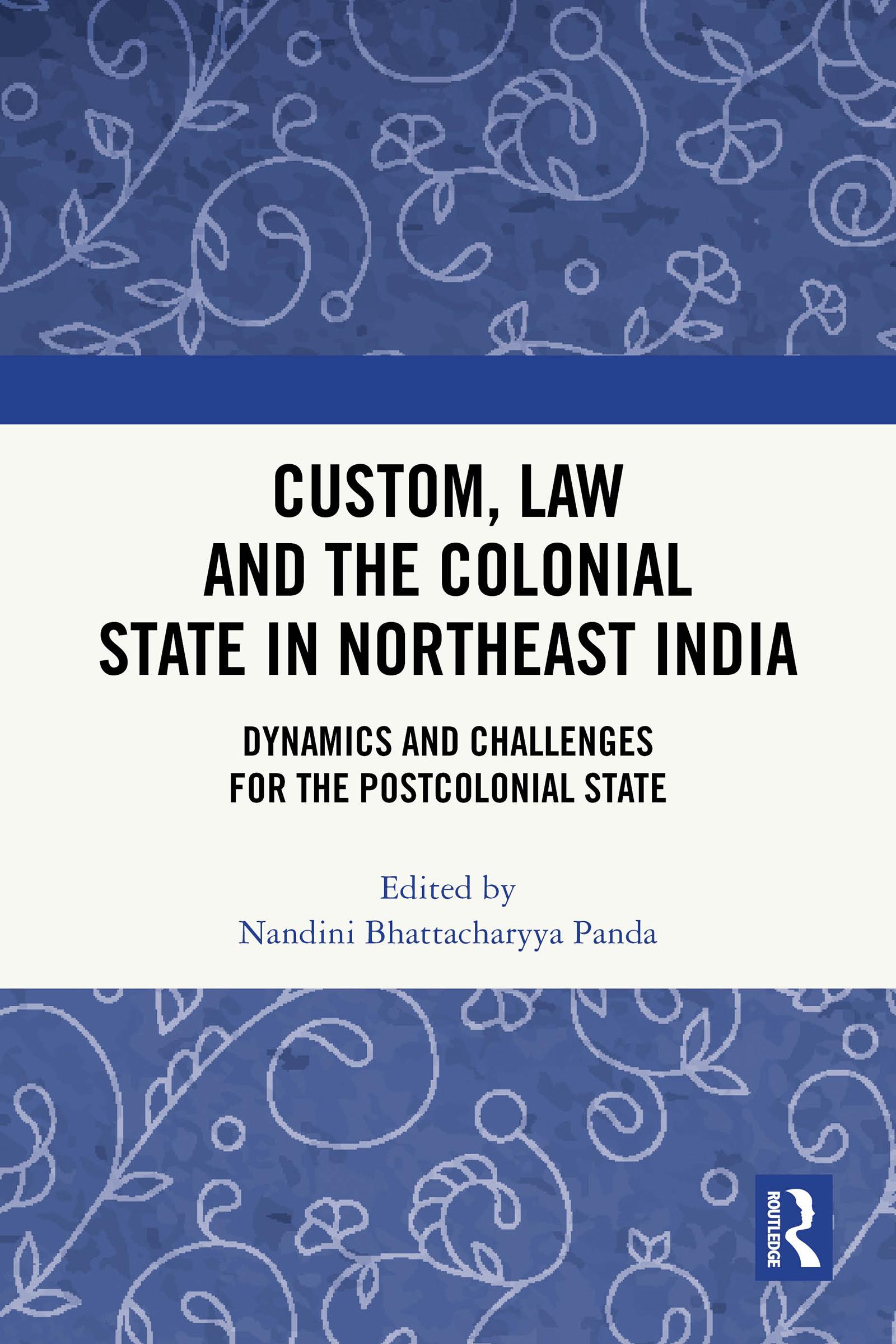
This volume presents a multidimensional analysis of the current operational law – both constitutional and customary – in Northeast India. It looks at how colonialism redesigned and redefined extant customary practices, leaving a permanent legacy on the legal governance and societal structure of the post-colonial Indian state.
The book interrogates “law” through a broad spectrum of issues including gender, partition, the legacy of colonial structures, and religion as a form of resistance against land grabbing and censorship. It delineates a distinct historical process of the evolution of law and custom and focuses on the intimate links between law and the dynamics of state, ethnicity, and governance.
As a unique contribution, the book offers new insights into how and why the continuity of colonial law within a democratic framework perpetuates deep-rooted problems in governance and the psyche of the people. It will be indispensable for students and researchers of history, law, anthropology, legal anthropology, sociology, Indian politics, and South Asian studies.
Paga facilmente con carta, Klarna, Apple Pay o Google Pay. Non sei soddisfatto? Hai sempre 14 giorni per il rimborso. Leggi di più nei nostri termini. Per qualsiasi domanda, scrivici a hello@memmo.org.
Memmo rende lo studio più facile, ovunque tu sia nel mondo. Qui trovi i tuoi libri di testo e strumenti di studio intelligenti, tutto in un unico posto: riassunti, quiz, podcast e flashcard. E poi c'è Ted, il tuo compagno di studio che risponde a ogni tua domanda. Oltre 50.000 studenti studiano già qui: è stato creato per aiutarti a imparare più velocemente e a stressarti meno.