
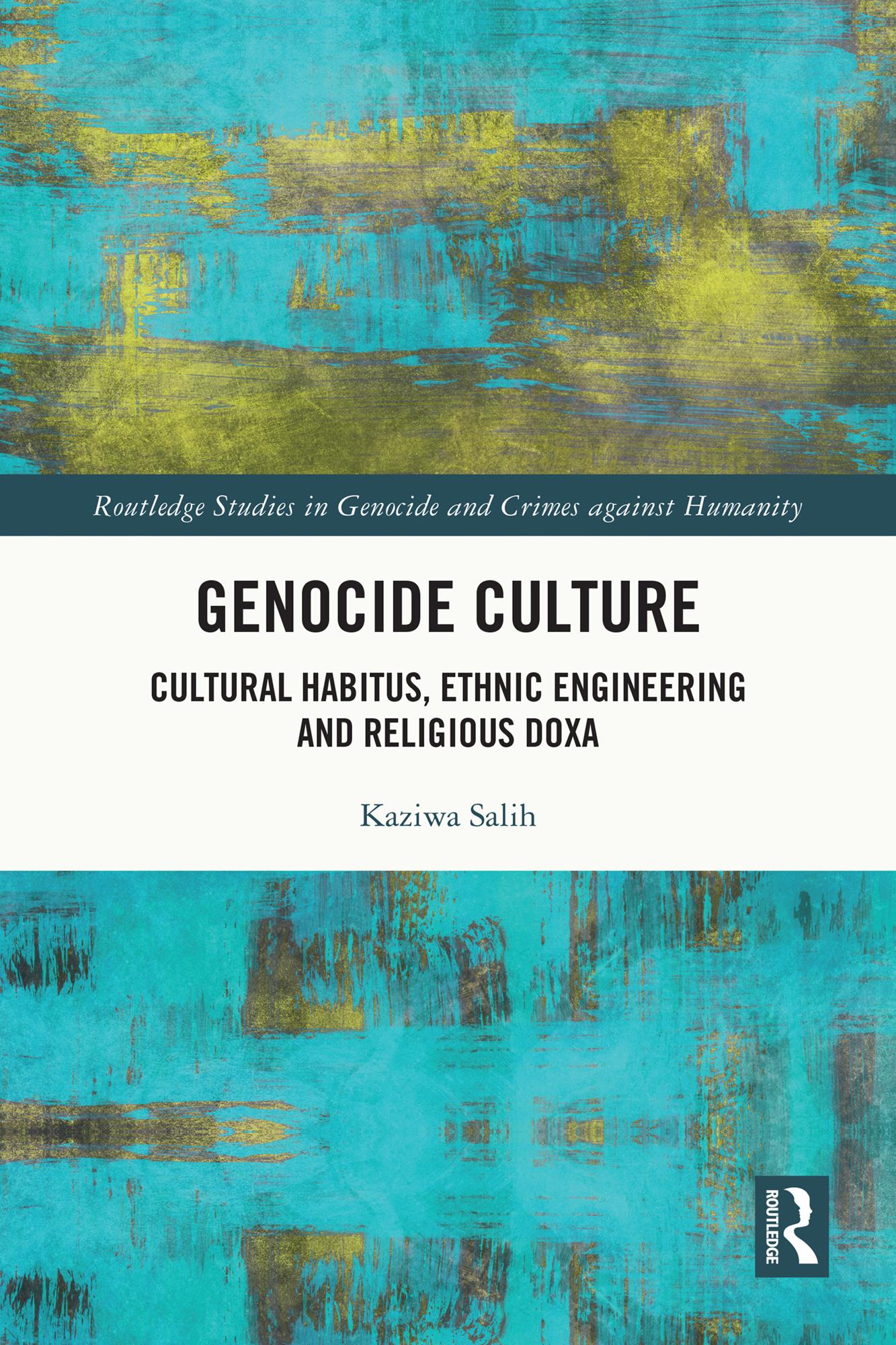
This book considers different stages of Kurdish history, oppression, and genocide through a critical lens, offering an historiography of Iraq and colonialism. Divided into two parts, the first part conceptualizes the coined term “genocide culture” and examines dominant Iraqi cultural practices that fostered genocide. The second part contextualizes the experiences of the Kurdish community to examine the effects of cultural practices and the role of “civilian actors” in fueling the extermination of targeted groups.
Through semi-structured interviews, primary archival documents, and nonparticipant observation, the author studies the links between everyday cultural practices and microaggression in general and the nexus between the state and the general population in the implementation of macroaggression and genocide. The audience will include scholars and students interested in genocide studies and the relation of both genocide and culture to histories of colonialism, as well as those working in the fields of violence and cultural psychology, sociology, history, international relations, ethnic conflict, and Middle Eastern studies.
Paga facilmente con carta, Klarna, Apple Pay o Google Pay. Non sei soddisfatto? Hai sempre 14 giorni per il rimborso. Leggi di più nei nostri termini. Per qualsiasi domanda, scrivici a hello@memmo.org.
Memmo rende lo studio più facile, ovunque tu sia nel mondo. Qui trovi i tuoi libri di testo e strumenti di studio intelligenti, tutto in un unico posto: riassunti, quiz, podcast e flashcard. E poi c'è Ted, il tuo compagno di studio che risponde a ogni tua domanda. Oltre 50.000 studenti studiano già qui: è stato creato per aiutarti a imparare più velocemente e a stressarti meno.