
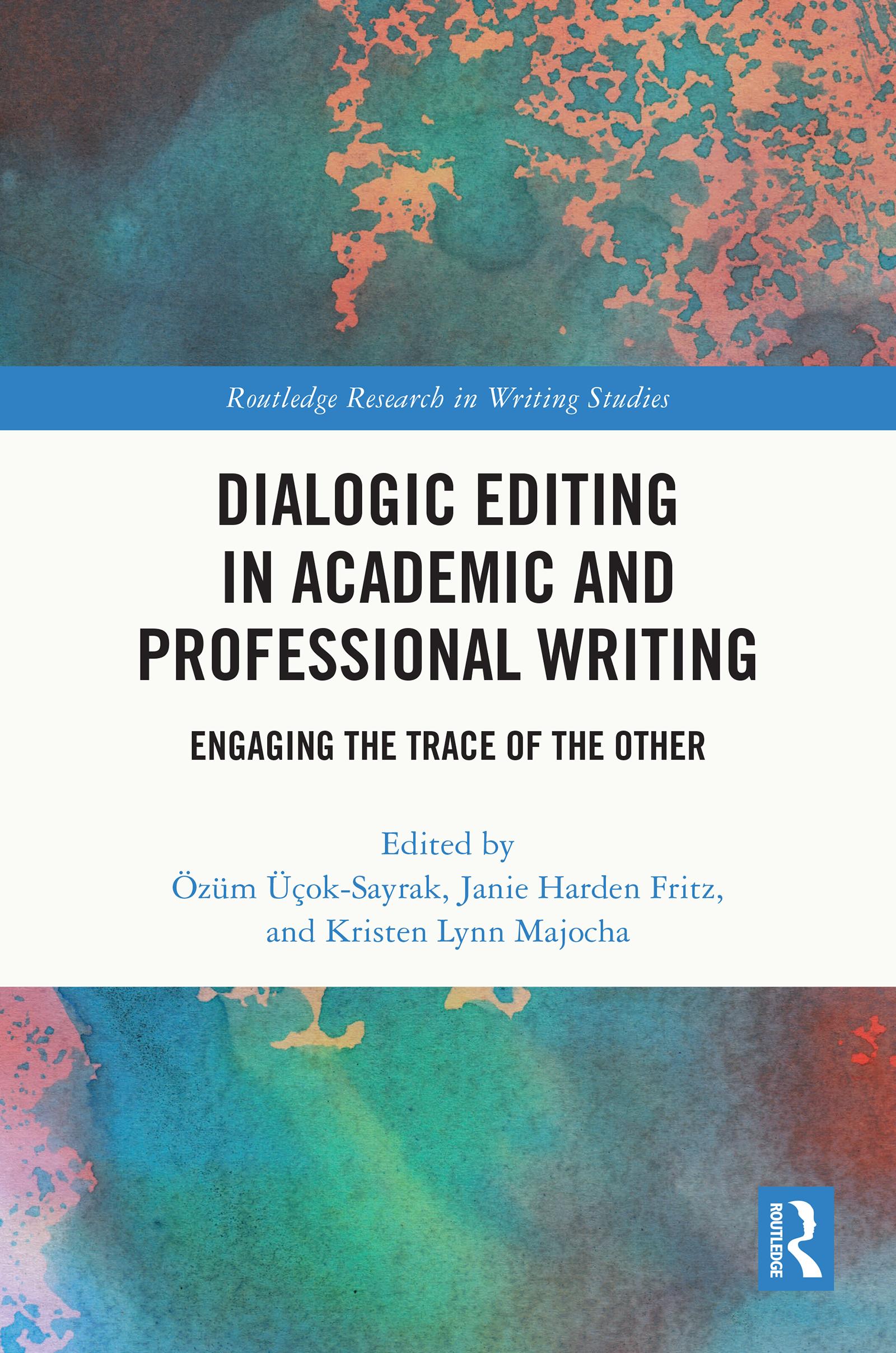
This book brings attention to the communicative process of editing as a dialogic experience that is attentive to the voice of the Other and underlines an ethical turn for the editing process.
The volume focuses on an essential, yet undertheorized, aspect of the communicative practice of editing by reading and receiving the voice of the Other and offering feedback toward assisting the text to find a voice without turning it into the voice of the editor. Utilizing the theoretical and philosophical frameworks of a diverse group of leading scholars and philosophers, contributors to this volume explore the editing process as connected to communication ethics that calls for discernment of what matters.
With its philosophical underpinnings, this book will especially be of interest to researchers and students in multiple disciplines in humanities and the social sciences, including communication studies, dialogue studies, philosophy, literature, composition studies, education, history, anthropology, psychology, sociology, religious studies, and political science.
Paga facilmente con carta, Klarna, Apple Pay o Google Pay. Non sei soddisfatto? Hai sempre 14 giorni per il rimborso. Leggi di più nei nostri termini. Per qualsiasi domanda, scrivici a hello@memmo.org.
Memmo rende lo studio più facile, ovunque tu sia nel mondo. Qui trovi i tuoi libri di testo e strumenti di studio intelligenti, tutto in un unico posto: riassunti, quiz, podcast e flashcard. E poi c'è Ted, il tuo compagno di studio che risponde a ogni tua domanda. Oltre 50.000 studenti studiano già qui: è stato creato per aiutarti a imparare più velocemente e a stressarti meno.