
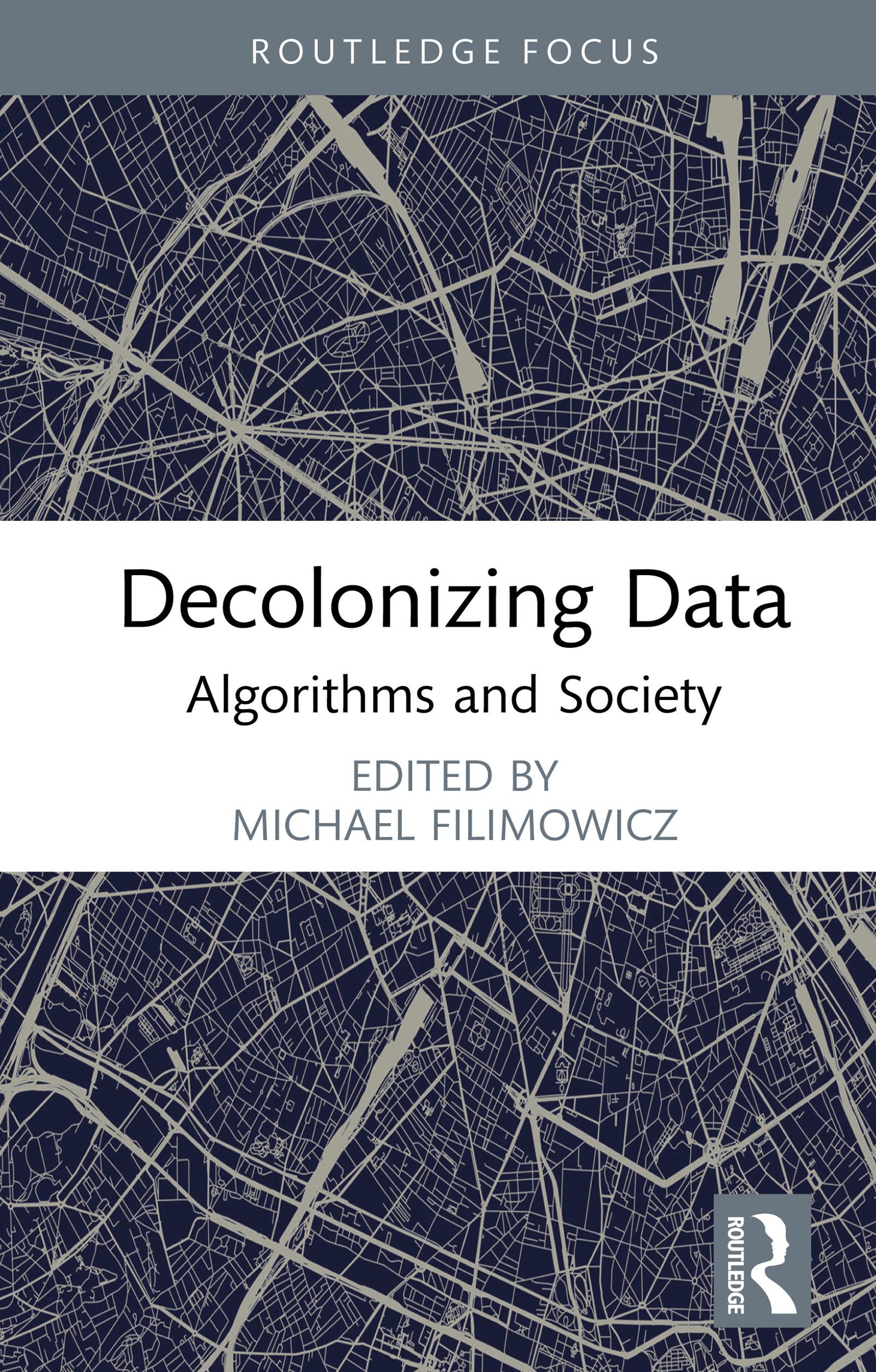
This book focuses on the values and effects that are operational in data technologies as they sustain colonial and imperialist legacies while also highlighting strategies for resistance to autocratic regimes and pathways towards decolonizing efforts.
Systems and schemes for databases and automated data flow processing often contain implicitly Westernized, autocratic or even imperialist features, but can also be appropriated for resistance and revolt. Algorithms are not strictly mathematical but also embody cultural constructs. Values circulate in systems along with labels and quantities. This entails more critically reflective data practices whether in government, academia, industry or the civic sphere. The volume covers a critique of the data colonialism thesis which frames computer science as a colonizing science that uses data to classify and govern us, an alternate framing of metadata as ‘data near data’ to challenge seemingly neutral technical terms, and a case study of the use of social media platforms in the 2018 Sudanese uprising.
Scholars and students from many backgrounds, as well as policy makers, journalists and the general reading public will find a multidisciplinary approach to questions posed by data decolonization research from the fields of Communication and Digital Media studies.
Paga facilmente con carta, Klarna, Apple Pay o Google Pay. Non sei soddisfatto? Hai sempre 14 giorni per il rimborso. Leggi di più nei nostri termini. Per qualsiasi domanda, scrivici a hello@memmo.org.
Memmo rende lo studio più facile, ovunque tu sia nel mondo. Qui trovi i tuoi libri di testo e strumenti di studio intelligenti, tutto in un unico posto: riassunti, quiz, podcast e flashcard. E poi c'è Ted, il tuo compagno di studio che risponde a ogni tua domanda. Oltre 50.000 studenti studiano già qui: è stato creato per aiutarti a imparare più velocemente e a stressarti meno.