
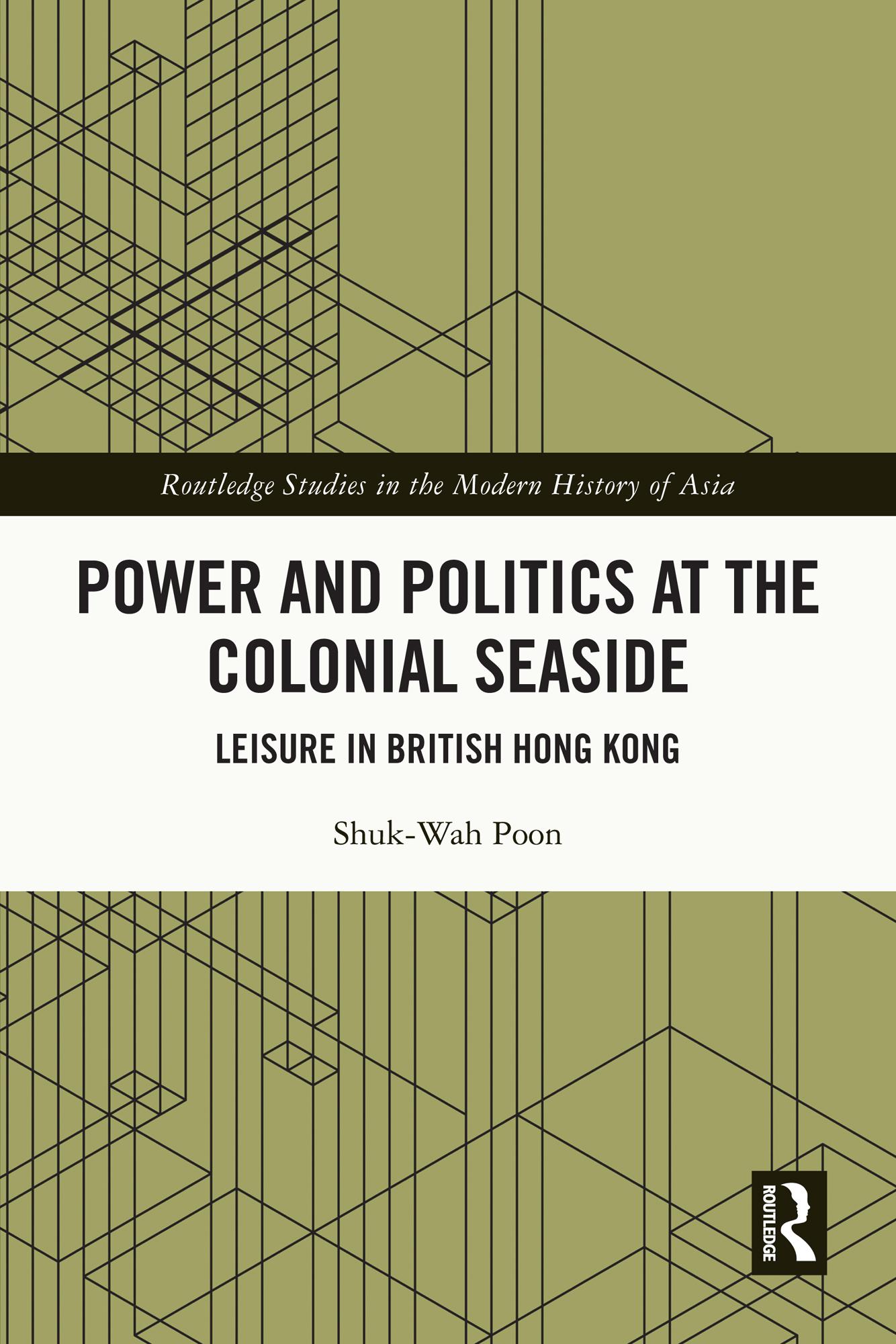
A study of the complex role of the seaside as a leisure space in colonial Hong Kong.
British sports were in many respects more meaningful in the empire than literature, music, art, or religion. They served as an instrument of cultural association and later of cultural change, promoting imperial union and then postimperial goodwill. Poon analyses the ways in which British colonists and Chinese leaders, backed by the rhetoric of public health and nationalism, respectively, transformed the Hong Kong seaside into a leisure space. She argues that the growing popularity of seaside resorts and sea bathing as a preferred form of leisure activity across the social and ethnic spectrums served an important role in shaping the racial relationship between Westerners and the Chinese population, as well as the Chinese people’s perception of the female body and the seaside, during the colonial period. The popularity of British leisure forms in colonial Hong Kong does not necessarily mean the triumph of “Britishness.”
This book will be of great interest to historians with an interest in leisure and in Empire and Colonialism, as well as historians of Colonial Hong Kong and Modern China.
Paga facilmente con carta, Klarna, Apple Pay o Google Pay. Non sei soddisfatto? Hai sempre 14 giorni per il rimborso. Leggi di più nei nostri termini. Per qualsiasi domanda, scrivici a hello@memmo.org.
Memmo rende lo studio più facile, ovunque tu sia nel mondo. Qui trovi i tuoi libri di testo e strumenti di studio intelligenti, tutto in un unico posto: riassunti, quiz, podcast e flashcard. E poi c'è Ted, il tuo compagno di studio che risponde a ogni tua domanda. Oltre 50.000 studenti studiano già qui: è stato creato per aiutarti a imparare più velocemente e a stressarti meno.