
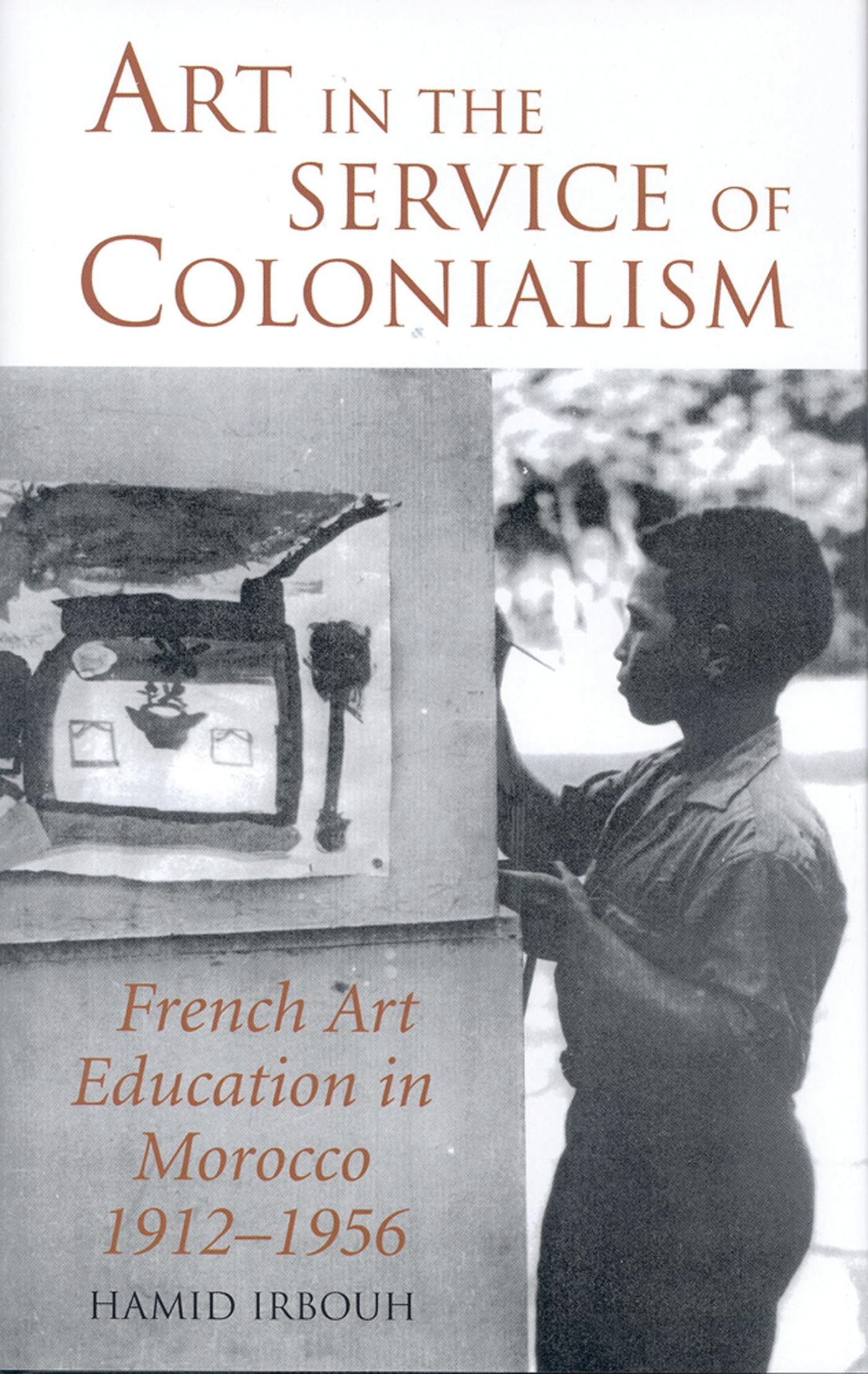
In the Moroccan French Protectorate (1912-1956), the French established vocational and fine art schools, imposed modern systems of industrial production and pedagogy and reinvented old traditions. Hamid Irbouh argues that the French used this systematic modernisation of local arts and crafts regulation to impose their control. He looks in particular at the role and place of women in the structures of art production and education created by the French- that transformed and dominated Moroccan society during the colonial period. French women infiltrated the Moroccan milieu, to buttress colonial ideology, yet at critical moments, Moroccan women rejected traditional roles and sabotaged colonial plans. Meanwhile, the contradictions between reformist goals and the old order added to social dislocations and led to rebellion against French hegemony. Irbouh examines and analyses these processes and demonstrates how Moroccan artists have struggled to exorcise French influences and rediscover an authentic visual culture since decolonisation. This book reveals that the weight of colonial history continues to weigh heavily on artistic practice and production.
Paga facilmente con carta, Klarna, Apple Pay o Google Pay. Non sei soddisfatto? Hai sempre 14 giorni per il rimborso. Leggi di più nei nostri termini. Per qualsiasi domanda, scrivici a hello@memmo.org.
Memmo rende lo studio più facile, ovunque tu sia nel mondo. Qui trovi i tuoi libri di testo e strumenti di studio intelligenti, tutto in un unico posto: riassunti, quiz, podcast e flashcard. E poi c'è Ted, il tuo compagno di studio che risponde a ogni tua domanda. Oltre 50.000 studenti studiano già qui: è stato creato per aiutarti a imparare più velocemente e a stressarti meno.