
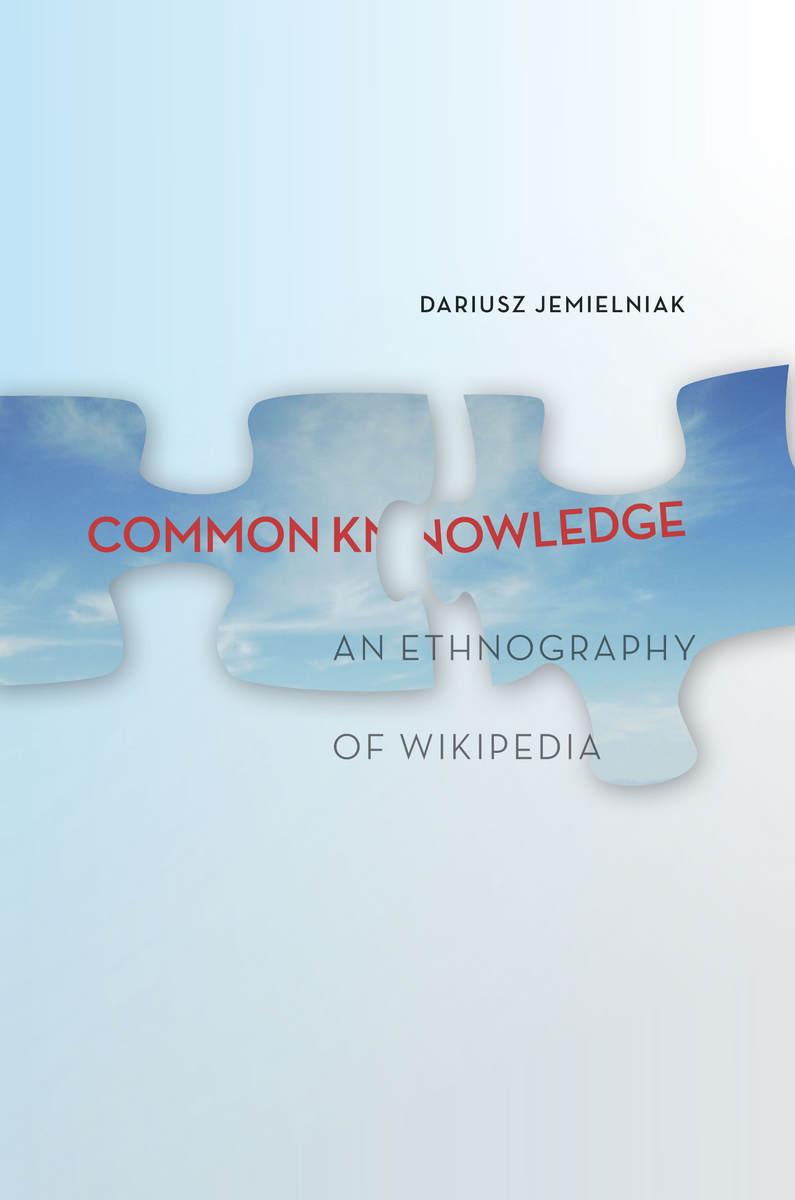
With an emphasis on peer–produced content and collaboration, Wikipedia exemplifies a departure from traditional management and organizational models. This iconic "project" has been variously characterized as a hive mind and an information revolution, attracting millions of new users even as it has been denigrated as anarchic and plagued by misinformation. Have Wikipedia's structure and inner workings promoted its astonishing growth and enduring public relevance?
In Common Knowledge?, Dariusz Jemielniak draws on his academic expertise and years of active participation within the Wikipedia community to take readers inside the site, illuminating how it functions and deconstructing its distinctive organization. Against a backdrop of misconceptions about its governance, authenticity, and accessibility, Jemielniak delivers the first ethnography of Wikipedia, revealing that it is not entirely at the mercy of the public: instead, it balances open access and power with a unique bureaucracy that takes a page from traditional organizational forms. Along the way, Jemielniak incorporates fascinating cases that highlight the tug of war among the participants as they forge ahead in this pioneering environment.
Paga facilmente con carta, Klarna, Apple Pay o Google Pay. Non sei soddisfatto? Hai sempre 14 giorni per il rimborso. Leggi di più nei nostri termini. Per qualsiasi domanda, scrivici a hello@memmo.org.
Memmo rende lo studio più facile, ovunque tu sia nel mondo. Qui trovi i tuoi libri di testo e strumenti di studio intelligenti, tutto in un unico posto: riassunti, quiz, podcast e flashcard. E poi c'è Ted, il tuo compagno di studio che risponde a ogni tua domanda. Oltre 50.000 studenti studiano già qui: è stato creato per aiutarti a imparare più velocemente e a stressarti meno.