
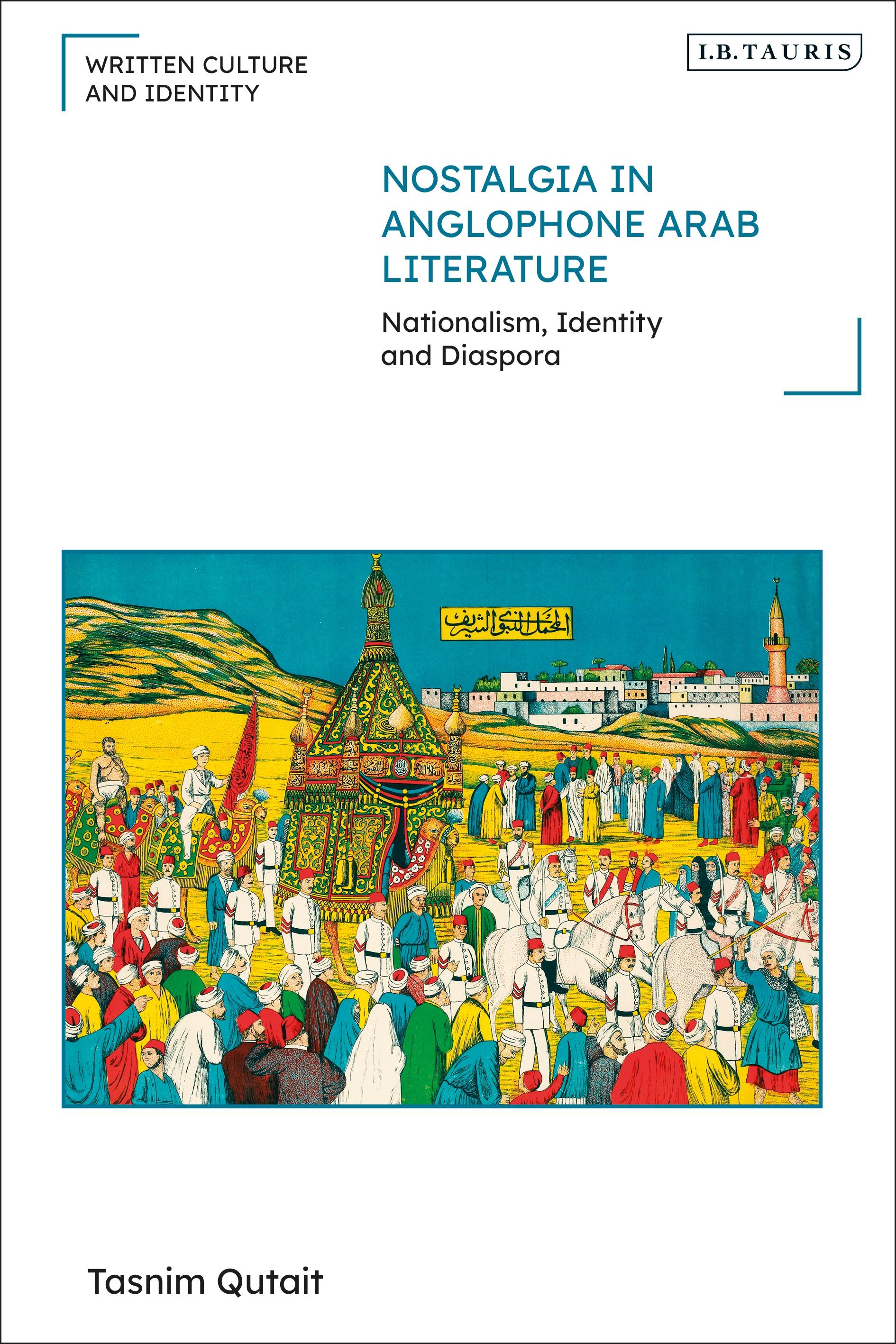
This book offers an in-depth engagement with the growing body of Anglophone Arab fiction in the context of theoretical debates around memory and identity. Against the critical tendency to dismiss nostalgia as a sentimental trope of immigrant narratives, Qutait sheds light on the creative uses to which it is put in the works of Rabih Alameddine, Ahdaf Soueif, Hisham Matar, Leila Aboulela, Randa Jarrar, Rawi Hage, and others.
Arguing for the necessity of theorising cultural memory beyond Eurocentric frameworks, the book demonstrates how Arab novelists writing in English draw on nostalgia as a touchstone of Arabic literary tradition from pre-Islamic poetry to the present. Qutait situates Anglophone Arab fiction within contentious debates about the place of the past in the Arab world, tracing how writers have deployed nostalgia as an aesthetic strategy to deal with subject matter ranging from the Islamic golden age, the era of anti-colonial struggle, the failures of the postcolonial state and of pan-Arabism, and the perennial issue of the diaspora's relationship to the homeland.
Making a contribution to the transnational turn in memory studies while focusing on a region underrepresented in this field, this book will be of interest for researchers interested in cultural memory, postcolonial studies and the literatures of the Middle East.
Arguing for the necessity of theorising cultural memory beyond Eurocentric frameworks, the book demonstrates how Arab novelists writing in English draw on nostalgia as a touchstone of Arabic literary tradition from pre-Islamic poetry to the present. Qutait situates Anglophone Arab fiction within contentious debates about the place of the past in the Arab world, tracing how writers have deployed nostalgia as an aesthetic strategy to deal with subject matter ranging from the Islamic golden age, the era of anti-colonial struggle, the failures of the postcolonial state and of pan-Arabism, and the perennial issue of the diaspora's relationship to the homeland.
Making a contribution to the transnational turn in memory studies while focusing on a region underrepresented in this field, this book will be of interest for researchers interested in cultural memory, postcolonial studies and the literatures of the Middle East.
Paga facilmente con carta, Klarna, Apple Pay o Google Pay. Non sei soddisfatto? Hai sempre 14 giorni per il rimborso. Leggi di più nei nostri termini. Per qualsiasi domanda, scrivici a hello@memmo.org.
Memmo rende lo studio più facile, ovunque tu sia nel mondo. Qui trovi i tuoi libri di testo e strumenti di studio intelligenti, tutto in un unico posto: riassunti, quiz, podcast e flashcard. E poi c'è Ted, il tuo compagno di studio che risponde a ogni tua domanda. Oltre 50.000 studenti studiano già qui: è stato creato per aiutarti a imparare più velocemente e a stressarti meno.