
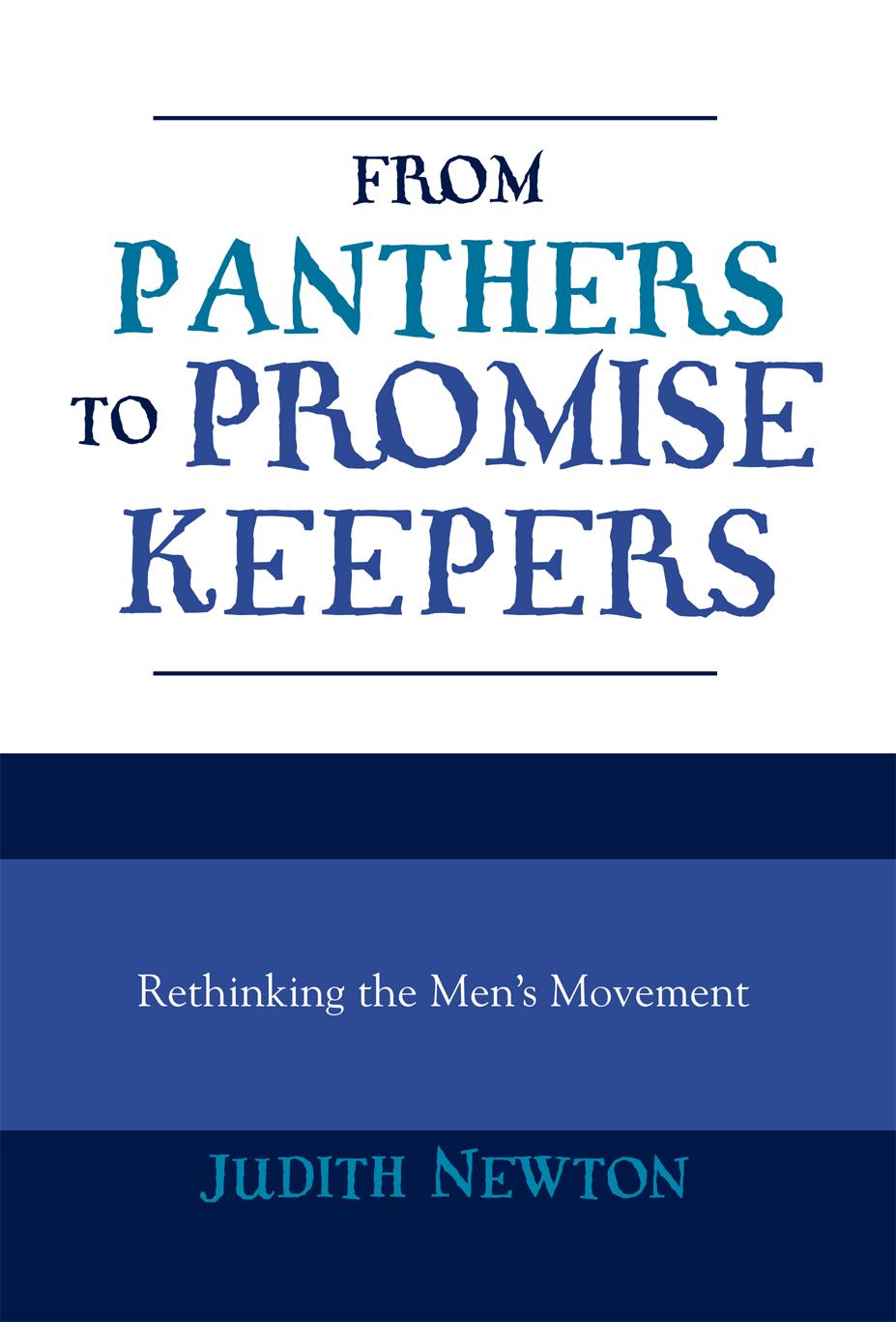
Written for a general audience, From Panthers to Promise Keepers draws on years of readings about, interviews with, and intimate observations of the men and networks who were involved in what some have called "the men's movement." Focusing on the decades between 1950 and 2000 in the U.S., From Panthers to Promise Keepers places networks of gay men and of black men (and women) at the center of its investigations, exploring some of the unexpected ways in which these seemingly marginal networks were precursors to, rather than mere followers of, the white and heterosexual men's groups that followed and that became the objects of media attention. This study also demonstrates that networks with radically different positions on important social issues nonetheless shared two related activities-criticizing individualist, self-making values and attempting, through surprisingly similar ritual practices, to construct ideals of masculinity that were more expressive of vulnerability, tenderness, and care.
Men's politically varied efforts to refashion masculine ideals during the last 50 years have contributed to a different global climate with respect to masculinities. Near the end of the 1990s, agencies such as UNESCO helped the reform of masculine ideals become more widely seen as a necessary component of movements for social justice and a "culture of peace." Current efforts to revive a more aggressive and force-based masculine ideal, a "masculinity for a culture of war," are one of many testaments to the cultural resonance of what has been called "the men's movement."
Men's politically varied efforts to refashion masculine ideals during the last 50 years have contributed to a different global climate with respect to masculinities. Near the end of the 1990s, agencies such as UNESCO helped the reform of masculine ideals become more widely seen as a necessary component of movements for social justice and a "culture of peace." Current efforts to revive a more aggressive and force-based masculine ideal, a "masculinity for a culture of war," are one of many testaments to the cultural resonance of what has been called "the men's movement."
Paga facilmente con carta, Klarna, Apple Pay o Google Pay. Non sei soddisfatto? Hai sempre 14 giorni per il rimborso. Leggi di più nei nostri termini. Per qualsiasi domanda, scrivici a hello@memmo.org.
Memmo rende lo studio più facile, ovunque tu sia nel mondo. Qui trovi i tuoi libri di testo e strumenti di studio intelligenti, tutto in un unico posto: riassunti, quiz, podcast e flashcard. E poi c'è Ted, il tuo compagno di studio che risponde a ogni tua domanda. Oltre 50.000 studenti studiano già qui: è stato creato per aiutarti a imparare più velocemente e a stressarti meno.