
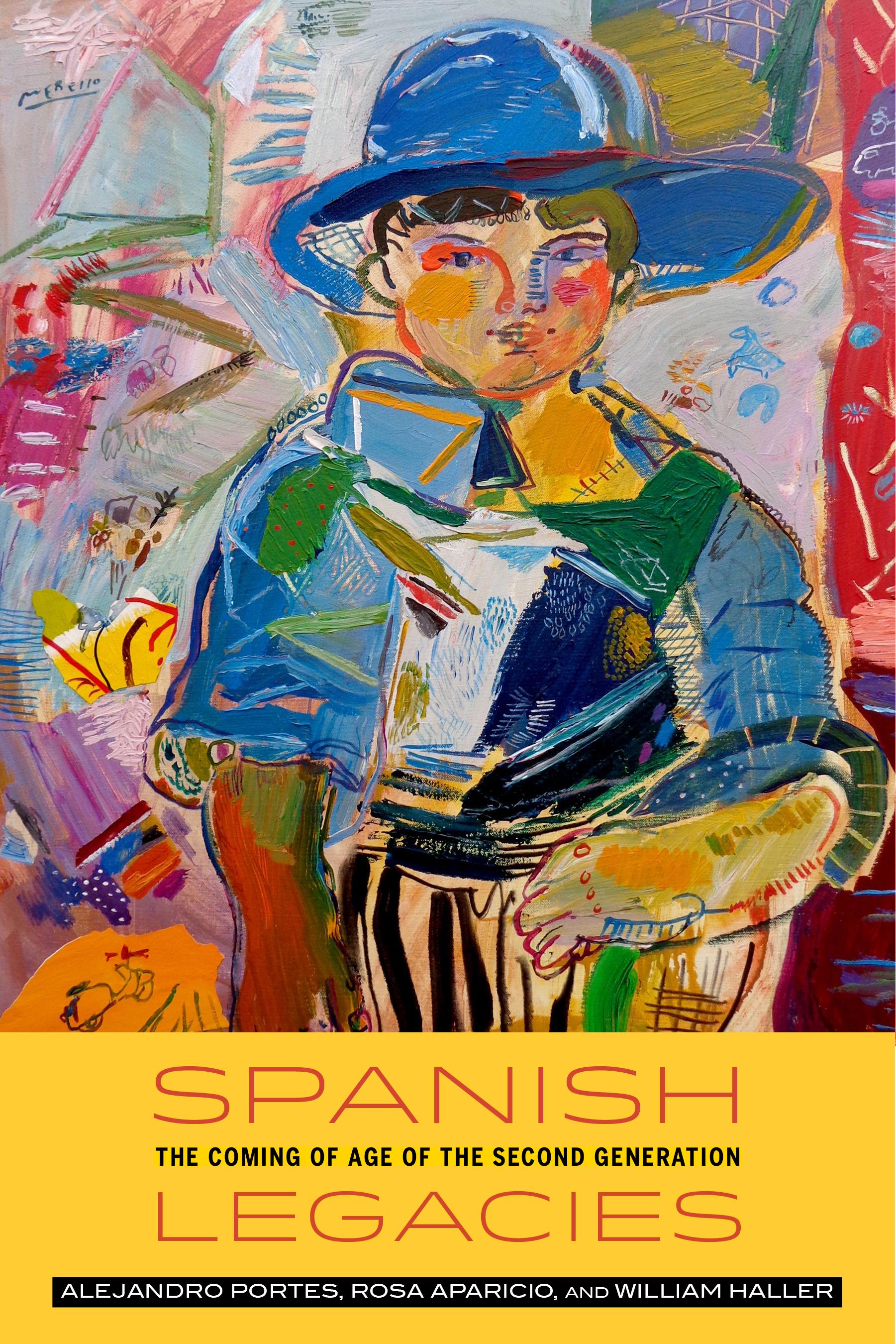
Much like the United States, the countries of Western Europe have experienced massive immigration in the last three decades. Spain, in particular, has been transformed from an immigrant-exporting country to one receiving hundreds of thousands of new immigrants. Today, almost 13 percent of the country’s population is foreign-born. Spanish Legacies, written by internationally known experts on immigration, explores how the children of immigrants—the second generation—are coping with the challenges of adaptation to Spanish society, comparing their experiences with those of their peers in the United States.
Using a rich data set based on both survey and ethnographic material, Spanish Legacies describes the experiences of growing up by the large population of second-generation youths in Spain and the principal outcomes of the process—from national self-identification and experiences of discrimination to educational attainment and labor-market entry. The study is based on a sample of almost 7,000 second-generation students who were interviewed in Madrid and Barcelona in 2008 and then followed and re-interviewed four years later. A survey of immigrant parents, a replacement sample for lost respondents in the second survey, and a survey of native-parentage students complement this rich data set. Outcomes of the adaptation process in Spain are systematically presented in five chapters, introduced by real-life histories of selected respondents drawn by the study’s ethnographic module. Systematic comparisons with results from the United States show a number of surprising similarities in the adaptation of children of immigrants in both countries, as well as differences marked by contrasting experiences of discrimination, self-identities, and ambition.
Using a rich data set based on both survey and ethnographic material, Spanish Legacies describes the experiences of growing up by the large population of second-generation youths in Spain and the principal outcomes of the process—from national self-identification and experiences of discrimination to educational attainment and labor-market entry. The study is based on a sample of almost 7,000 second-generation students who were interviewed in Madrid and Barcelona in 2008 and then followed and re-interviewed four years later. A survey of immigrant parents, a replacement sample for lost respondents in the second survey, and a survey of native-parentage students complement this rich data set. Outcomes of the adaptation process in Spain are systematically presented in five chapters, introduced by real-life histories of selected respondents drawn by the study’s ethnographic module. Systematic comparisons with results from the United States show a number of surprising similarities in the adaptation of children of immigrants in both countries, as well as differences marked by contrasting experiences of discrimination, self-identities, and ambition.
Paga facilmente con carta, Klarna, Apple Pay o Google Pay. Non sei soddisfatto? Hai sempre 14 giorni per il rimborso. Leggi di più nei nostri termini. Per qualsiasi domanda, scrivici a hello@memmo.org.
Memmo rende lo studio più facile, ovunque tu sia nel mondo. Qui trovi i tuoi libri di testo e strumenti di studio intelligenti, tutto in un unico posto: riassunti, quiz, podcast e flashcard. E poi c'è Ted, il tuo compagno di studio che risponde a ogni tua domanda. Oltre 50.000 studenti studiano già qui: è stato creato per aiutarti a imparare più velocemente e a stressarti meno.
Potrebbe interessarti anche
Acquista il libro0