
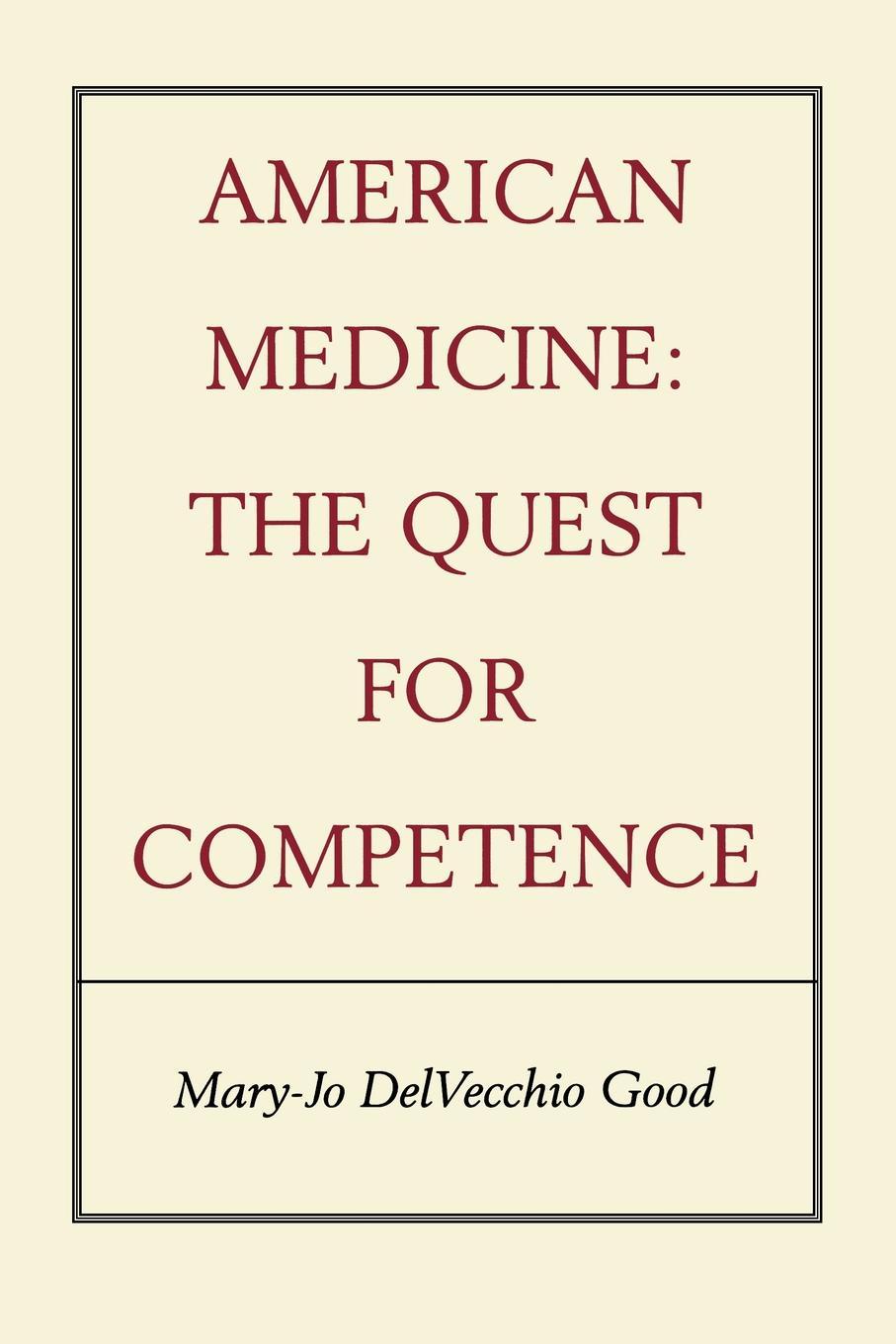
What does it mean to be a good doctor in America today? How do such challenges as new biotechnologies, the threat of malpractice suits, and proposed health-care reform affect physicians' ability to provide quality care?
These and many other crucial questions are examined in this book, the first to fully explore the meaning and politics of competence in modern American medicine. Based on Mary-Jo DelVecchio Good's recent ethnographic studies of three distinct medical communities—physicians in rural California, academics and students involved in Harvard Medical School's innovative "New Pathway" curriculum, and oncologists working on breast cancer treatment—the book demonstrates the centrality of the issue of competence throughout the medical world. Competence, it shows, provides the framework for discussing the power struggles between rural general practitioners and specialists, organizational changes in medical education, and the clinical narratives of high-technology oncologists. In their own words, practitioners, students, and academics describe what competence means to them and reveal their frustration with medical-legal institutions, malpractice, and the limitations of peer review and medical training.
Timely and provocative, this study is essential reading for medical professionals, academics, anthropologists, and sociologists, as well as health-care policymakers.
What does it mean to be a good doctor in America today? How do such challenges as new biotechnologies, the threat of malpractice suits, and proposed health-care reform affect physicians' ability to provide quality care?
These and many other cru
These and many other crucial questions are examined in this book, the first to fully explore the meaning and politics of competence in modern American medicine. Based on Mary-Jo DelVecchio Good's recent ethnographic studies of three distinct medical communities—physicians in rural California, academics and students involved in Harvard Medical School's innovative "New Pathway" curriculum, and oncologists working on breast cancer treatment—the book demonstrates the centrality of the issue of competence throughout the medical world. Competence, it shows, provides the framework for discussing the power struggles between rural general practitioners and specialists, organizational changes in medical education, and the clinical narratives of high-technology oncologists. In their own words, practitioners, students, and academics describe what competence means to them and reveal their frustration with medical-legal institutions, malpractice, and the limitations of peer review and medical training.
Timely and provocative, this study is essential reading for medical professionals, academics, anthropologists, and sociologists, as well as health-care policymakers.
What does it mean to be a good doctor in America today? How do such challenges as new biotechnologies, the threat of malpractice suits, and proposed health-care reform affect physicians' ability to provide quality care?
These and many other cru
Paga facilmente con carta, Klarna, Apple Pay o Google Pay. Non sei soddisfatto? Hai sempre 14 giorni per il rimborso. Leggi di più nei nostri termini. Per qualsiasi domanda, scrivici a hello@memmo.org.
Memmo rende lo studio più facile, ovunque tu sia nel mondo. Qui trovi i tuoi libri di testo e strumenti di studio intelligenti, tutto in un unico posto: riassunti, quiz, podcast e flashcard. E poi c'è Ted, il tuo compagno di studio che risponde a ogni tua domanda. Oltre 50.000 studenti studiano già qui: è stato creato per aiutarti a imparare più velocemente e a stressarti meno.
Potrebbe interessarti anche
Acquista il libro0