
Why do we feel excited, afraid, and frustrated by algorithms?
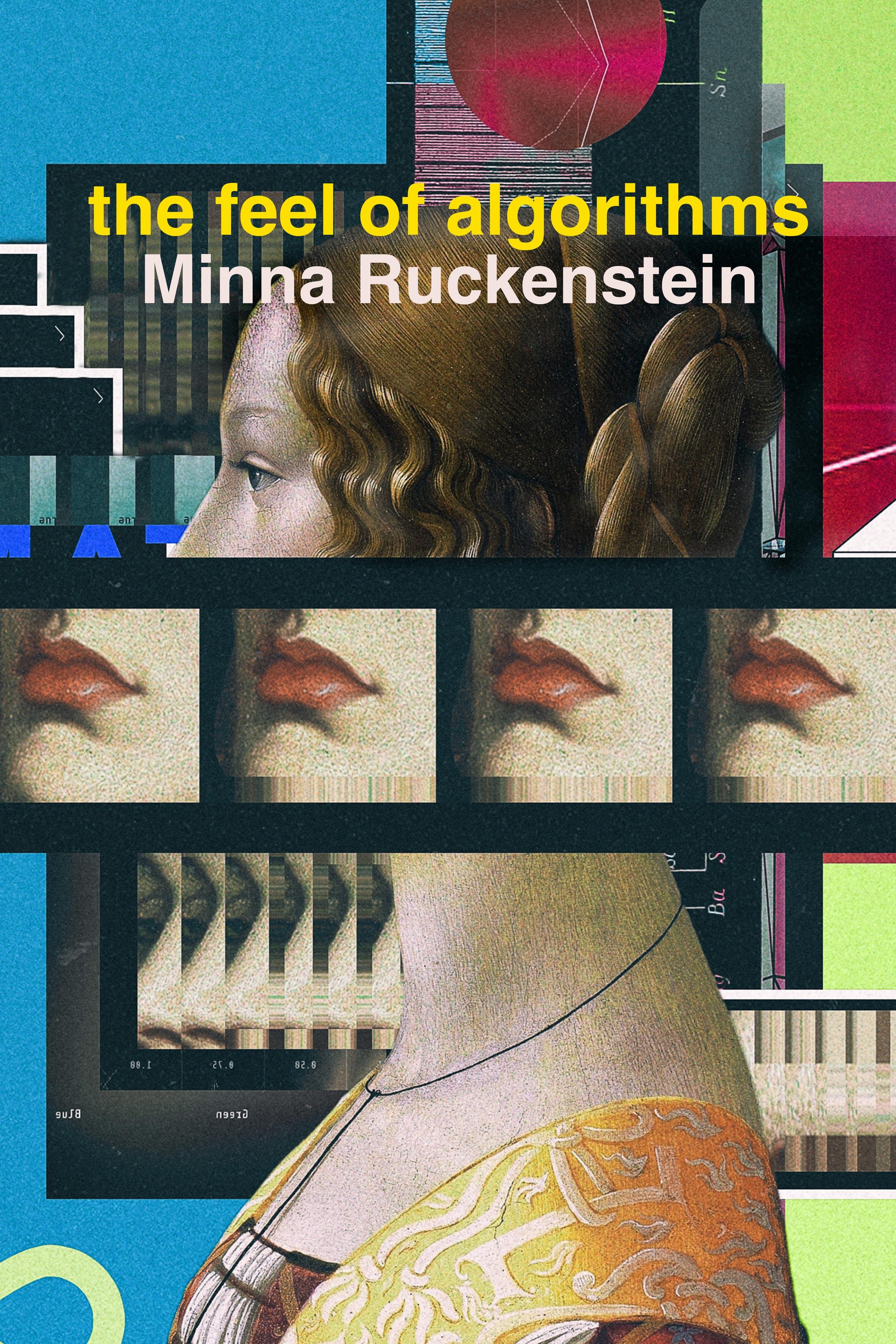
The Feel of Algorithms brings relatable first-person accounts of what it means to experience algorithms emotionally alongside interdisciplinary social science research, to reveal how political and economic processes are felt in the everyday. People’s algorithm stories might fail to separate fact and misconception, and circulate wishful, erroneous, or fearful views of digital technologies. Yet rather than treating algorithmic folklore as evidence of ignorance, this novel book explains why personal anecdotes are an important source of algorithmic knowledge. Minna Ruckenstein argues that we get to know algorithms by feeling their actions and telling stories about them. The Feel of Algorithms shows how taking everyday algorithmic emotions seriously balances the current discussion, which has a tendency to draw conclusions based on celebratory or oppositional responses to imagined future effects. An everyday focus zooms into experiences of pleasure, fear, and irritation, highlighting how political aims and ethical tensions play out in visions, practices, and emotional responses. This book shows that feelings aid in recognizing troubling practices, and also calls for alternatives that are currently ignored or suppressed.
The Feel of Algorithms brings relatable first-person accounts of what it means to experience algorithms emotionally alongside interdisciplinary social science research, to reveal how political and economic processes are felt in the everyday. People’s algorithm stories might fail to separate fact and misconception, and circulate wishful, erroneous, or fearful views of digital technologies. Yet rather than treating algorithmic folklore as evidence of ignorance, this novel book explains why personal anecdotes are an important source of algorithmic knowledge. Minna Ruckenstein argues that we get to know algorithms by feeling their actions and telling stories about them. The Feel of Algorithms shows how taking everyday algorithmic emotions seriously balances the current discussion, which has a tendency to draw conclusions based on celebratory or oppositional responses to imagined future effects. An everyday focus zooms into experiences of pleasure, fear, and irritation, highlighting how political aims and ethical tensions play out in visions, practices, and emotional responses. This book shows that feelings aid in recognizing troubling practices, and also calls for alternatives that are currently ignored or suppressed.
Paga facilmente con carta, Klarna, Apple Pay o Google Pay. Non sei soddisfatto? Hai sempre 14 giorni per il rimborso. Leggi di più nei nostri termini. Per qualsiasi domanda, scrivici a hello@memmo.org.
Memmo rende lo studio più facile, ovunque tu sia nel mondo. Qui trovi i tuoi libri di testo e strumenti di studio intelligenti, tutto in un unico posto: riassunti, quiz, podcast e flashcard. E poi c'è Ted, il tuo compagno di studio che risponde a ogni tua domanda. Oltre 50.000 studenti studiano già qui: è stato creato per aiutarti a imparare più velocemente e a stressarti meno.
Potrebbe interessarti anche
Acquista il libro0