
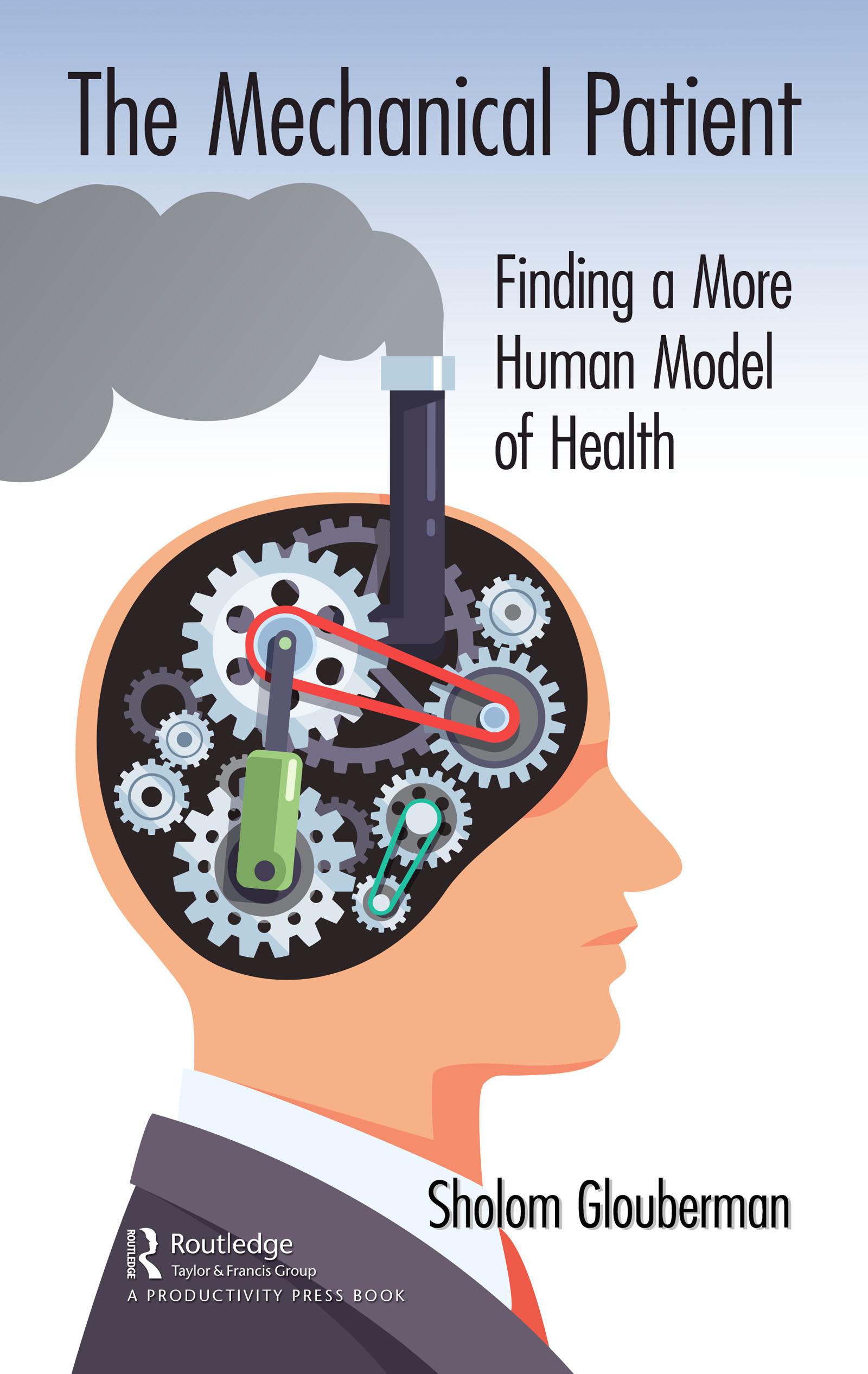
Healthcare is very much dependent on the model of the patient that is assumed by healthcare providers. The current model derives from a chemical/mechanical view of the patient body. Simply put: we are healthy if all of our mechanical parts are working properly and if all of the chemicals in our body are in the right proportions and have the appropriate reactions. This view is based on philosophical accounts of the body that go back to Paracelsus, Descartes, Boyle and others. It became the central basis of medical practice only in the late 19th Century after several hundred years of research and professional politics.
The Mechanical Patient traces the intellectual development of the chemical/mechanical model of the patient and its implementation. This book names the problem that we have with the mechanical patient and prepares us to respond to its exaggerated place in our society. It provides a historical and conceptual background and explains how the chemical/mechanical model of health gained such a strong hold over our thinking and took the place of the earlier Galenic humoral model. It sketches a promising outline of a more humanized model for understanding health and calls for help to fully articulate it. In that way, it joins a growing movement to go beyond our current chemical/mechanical orientation.
Paga facilmente con carta, Klarna, Apple Pay o Google Pay. Non sei soddisfatto? Hai sempre 14 giorni per il rimborso. Leggi di più nei nostri termini. Per qualsiasi domanda, scrivici a hello@memmo.org.
Memmo rende lo studio più facile, ovunque tu sia nel mondo. Qui trovi i tuoi libri di testo e strumenti di studio intelligenti, tutto in un unico posto: riassunti, quiz, podcast e flashcard. E poi c'è Ted, il tuo compagno di studio che risponde a ogni tua domanda. Oltre 50.000 studenti studiano già qui: è stato creato per aiutarti a imparare più velocemente e a stressarti meno.