
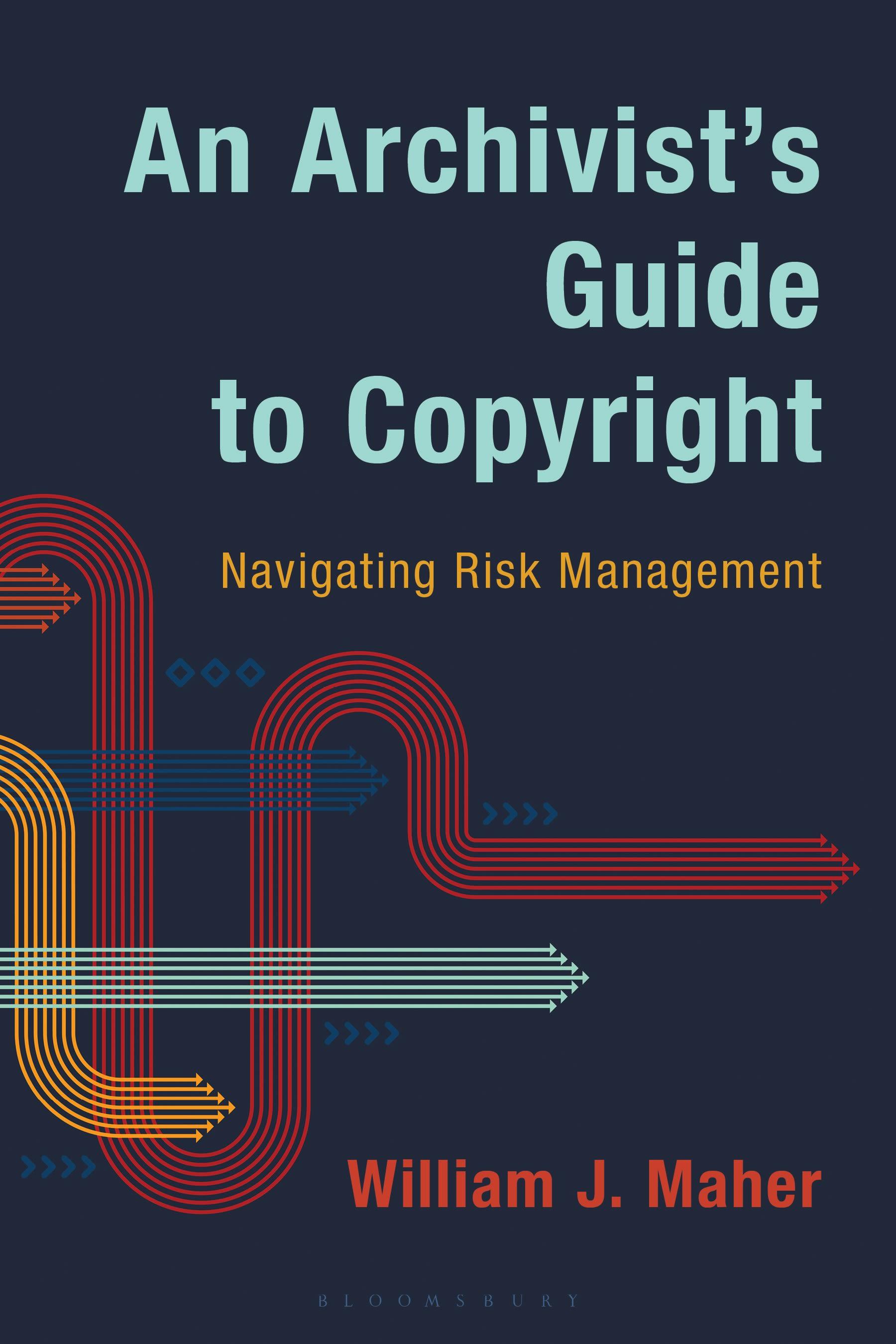
Copyright. The very word can make an archivist's eyes glaze over. But this book is here to help.
Fear of copyright can sometimes make everything an archivist does-preservation, reference, digitization-feel like a prelude to an unintended lawsuit.
In this book, readers learn core parts of the U.S. copyright law, how to apply basic tools to address archives-specific issues, and learn effective use of existing exceptions and limitations. The goal is to provide archivists with the ability to navigate copyright to achieve the ultimate archival mission: to preserve the broadest array of heritage material and enable as wide a use as possible.
This book:
· Provides a foundation for how to read the copyright law, review legal literature, and navigate authoritative websites and news sources;
· Promotes a clear understanding of the separate rights of authors, owners, and users and how these rights relate to institutional and general cultural archives;
· Clarifies the relevance of the historical landmarks in copyright legislation and case law;
· Outlines the basics of related laws and rights regimes (e.g., privacy, publicity, moral, and cultural property rights) to understand when and how copyright does and does not relate to them;
· Surveys recent legislation and court cases, especially those relating to fair use, sound-recordings, and alternative dispute resolution; and
· Guides archivists in a multi-factor analysis to support the decisions needed to manage copyright issues and risks.
Fear of copyright can sometimes make everything an archivist does-preservation, reference, digitization-feel like a prelude to an unintended lawsuit.
In this book, readers learn core parts of the U.S. copyright law, how to apply basic tools to address archives-specific issues, and learn effective use of existing exceptions and limitations. The goal is to provide archivists with the ability to navigate copyright to achieve the ultimate archival mission: to preserve the broadest array of heritage material and enable as wide a use as possible.
This book:
· Provides a foundation for how to read the copyright law, review legal literature, and navigate authoritative websites and news sources;
· Promotes a clear understanding of the separate rights of authors, owners, and users and how these rights relate to institutional and general cultural archives;
· Clarifies the relevance of the historical landmarks in copyright legislation and case law;
· Outlines the basics of related laws and rights regimes (e.g., privacy, publicity, moral, and cultural property rights) to understand when and how copyright does and does not relate to them;
· Surveys recent legislation and court cases, especially those relating to fair use, sound-recordings, and alternative dispute resolution; and
· Guides archivists in a multi-factor analysis to support the decisions needed to manage copyright issues and risks.
Payez facilement par carte, Klarna, Apple Pay ou Google Pay. Pas satisfait ? Vous avez toujours une garantie de remboursement de 14 jours. En savoir plus dans nos conditions. Si vous avez des questions, envoyez-nous un e-mail à hello@memmo.org.
Memmo facilite tes études, où que tu sois dans le monde. On rassemble tes manuels de cours et des outils d'étude intelligents au même endroit : résumés, quiz, podcasts et flashcards. Et il y a Ted, ton compagnon d'étude qui répond à toutes tes questions. Plus de 50 000 étudiants étudient déjà ici – conçu pour t'aider à apprendre plus vite et à moins stresser.