
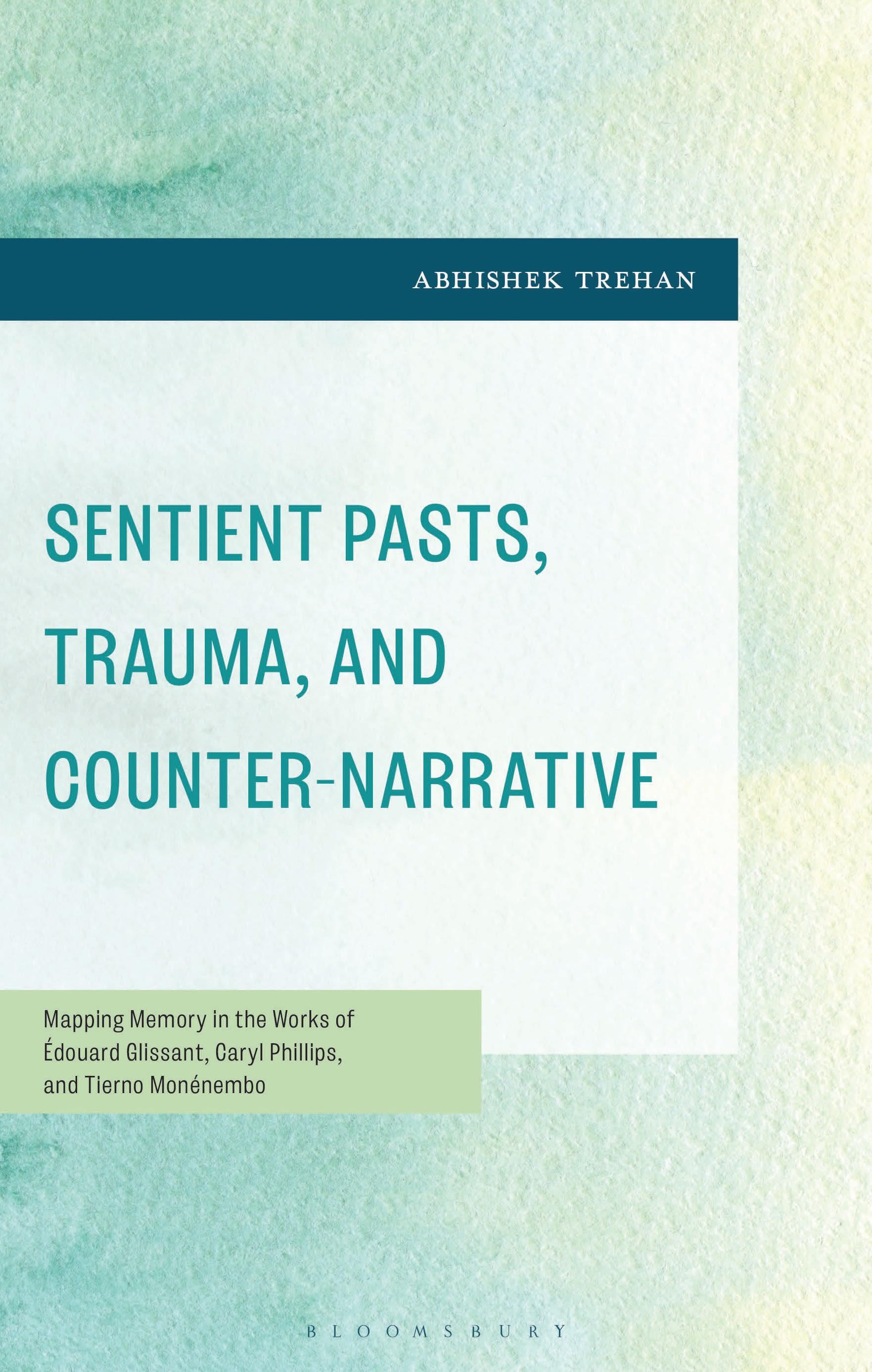
Drawing upon the theories of memory studies, this book challenges the historical authenticity of colonialism in the works of Édouard Glissant, Caryl Phillips, and Tierno Monénembo as they seek to place their fiction in the aftermath of reparative histories.
Trehan examines not only the histories of displacement, diasporic traditions, genocidal trauma or continuation of colonialist affiliations in postcolonial societies, but the creative resistance to hegemony. Focusing on the embedded historical memory, the author examines the implications of remembrance (including selective remembering and forgetting) in the process of decolonization-bringing forth the struggle of representation and recognition. This book probes the transmission of traumatic memory across generations by amplifying the nexus between history and memory, reading beyond nation-based interpretations. By comparing the continuity of colonial legacy in the works of Glissant, Phillips, and Monénembo, Trehan examines a model of postcolonial inheritance to understand how ordinary people relate to the question of political expression by focusing on the colonial history, memory, and trauma.
Trehan examines not only the histories of displacement, diasporic traditions, genocidal trauma or continuation of colonialist affiliations in postcolonial societies, but the creative resistance to hegemony. Focusing on the embedded historical memory, the author examines the implications of remembrance (including selective remembering and forgetting) in the process of decolonization-bringing forth the struggle of representation and recognition. This book probes the transmission of traumatic memory across generations by amplifying the nexus between history and memory, reading beyond nation-based interpretations. By comparing the continuity of colonial legacy in the works of Glissant, Phillips, and Monénembo, Trehan examines a model of postcolonial inheritance to understand how ordinary people relate to the question of political expression by focusing on the colonial history, memory, and trauma.
Payez facilement par carte, Klarna, Apple Pay ou Google Pay. Pas satisfait ? Vous avez toujours une garantie de remboursement de 14 jours. En savoir plus dans nos conditions. Si vous avez des questions, envoyez-nous un e-mail à hello@memmo.org.
Memmo facilite tes études, où que tu sois dans le monde. On rassemble tes manuels de cours et des outils d'étude intelligents au même endroit : résumés, quiz, podcasts et flashcards. Et il y a Ted, ton compagnon d'étude qui répond à toutes tes questions. Plus de 50 000 étudiants étudient déjà ici – conçu pour t'aider à apprendre plus vite et à moins stresser.