
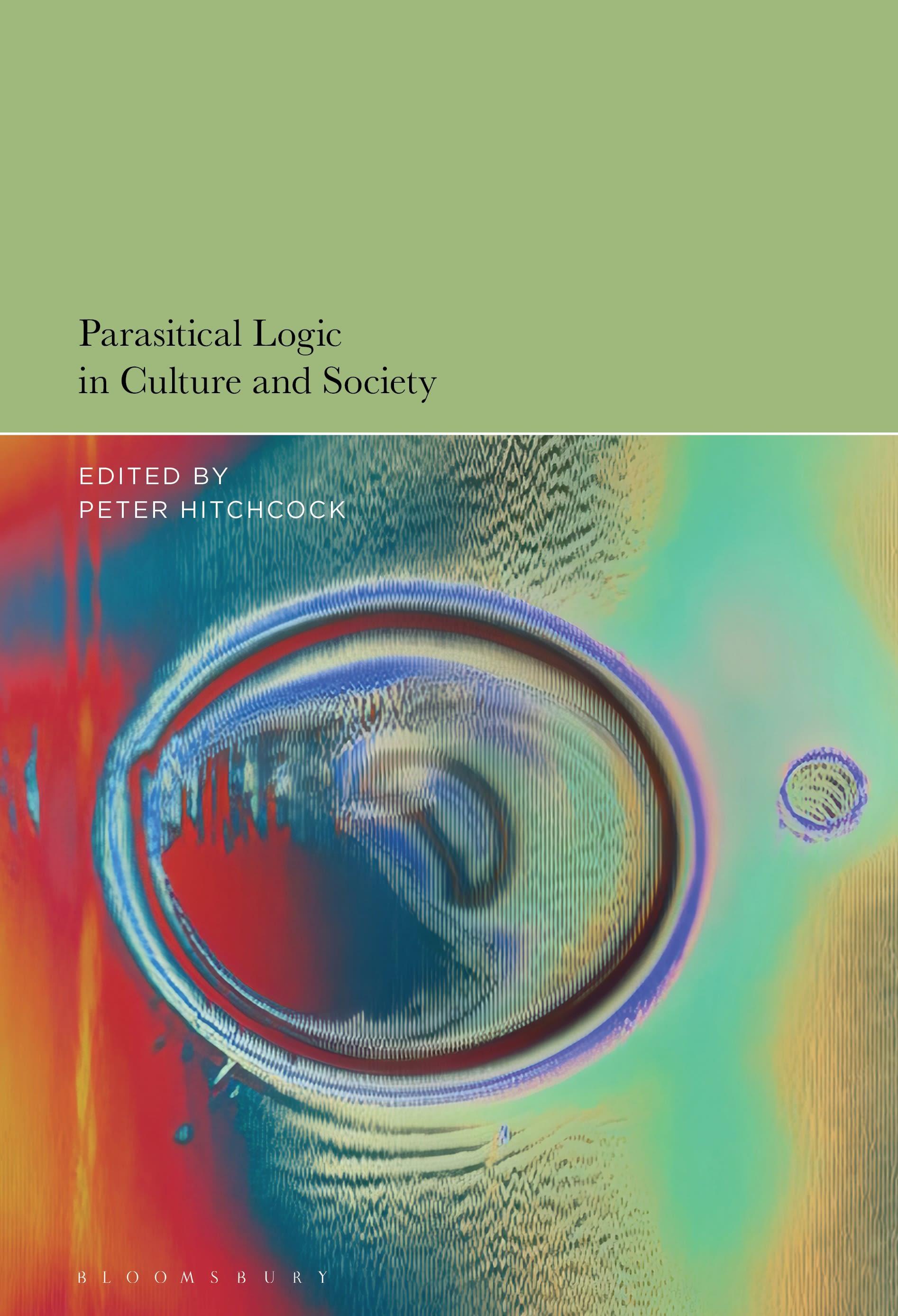
In essays on literature, film, capitalism, and the university, this book illuminates and deepens the understanding of the parasite as a metaphor for cultural and social critique.
While symbiosis may harm the host to the benefit of the parasite, humans have nonetheless developed complex networks to rationalize intra-species parasitism. From influence to borrowing to the “creativity” of AI, and from more obvious historical discourses of appropriation, like colonialism and imperialism, parasitical logic has distinct cultural genealogies. The ubiquity of parasites seems to cheat substantial theorization, but this collection offers lively and suggestive essays on parasitical logic from global and interdisciplinary perspectives with a particular spotlight on its human and posthuman impress.
Parasitical Logic in Culture and Society assesses this condition via three complementary modes. First, it focuses on literary texts, which offers parasitism as a paradigm of cultural symbiosis through the artistic mutualism of the reader/writer. The second section approaches visual media, inspired by Bong Joon Ho's Parasite (2019), with essays that probe the representation of the parasite as a visual logic with both socio-political effects and challenges to genre and history. The third section concerns the provocative theme of parasitism in institutional structures, including within the US Army and the privatized university.
Authors in this collection ask how ideas dedicated to the diminution of exploitation might confront the power of parasitism in the production and reproduction of inequality in everyday life. Should one fight parasitical social and cultural structures or aim to live their contradictions as a universal norm? Or, does a force of nature simply condemn humanity to, as a poet once put it, prey on itself like monsters of the deep?
While symbiosis may harm the host to the benefit of the parasite, humans have nonetheless developed complex networks to rationalize intra-species parasitism. From influence to borrowing to the “creativity” of AI, and from more obvious historical discourses of appropriation, like colonialism and imperialism, parasitical logic has distinct cultural genealogies. The ubiquity of parasites seems to cheat substantial theorization, but this collection offers lively and suggestive essays on parasitical logic from global and interdisciplinary perspectives with a particular spotlight on its human and posthuman impress.
Parasitical Logic in Culture and Society assesses this condition via three complementary modes. First, it focuses on literary texts, which offers parasitism as a paradigm of cultural symbiosis through the artistic mutualism of the reader/writer. The second section approaches visual media, inspired by Bong Joon Ho's Parasite (2019), with essays that probe the representation of the parasite as a visual logic with both socio-political effects and challenges to genre and history. The third section concerns the provocative theme of parasitism in institutional structures, including within the US Army and the privatized university.
Authors in this collection ask how ideas dedicated to the diminution of exploitation might confront the power of parasitism in the production and reproduction of inequality in everyday life. Should one fight parasitical social and cultural structures or aim to live their contradictions as a universal norm? Or, does a force of nature simply condemn humanity to, as a poet once put it, prey on itself like monsters of the deep?
Payez facilement par carte, Klarna, Apple Pay ou Google Pay. Pas satisfait ? Vous avez toujours une garantie de remboursement de 14 jours. En savoir plus dans nos conditions. Si vous avez des questions, envoyez-nous un e-mail à hello@memmo.org.
Memmo facilite tes études, où que tu sois dans le monde. On rassemble tes manuels de cours et des outils d'étude intelligents au même endroit : résumés, quiz, podcasts et flashcards. Et il y a Ted, ton compagnon d'étude qui répond à toutes tes questions. Plus de 50 000 étudiants étudient déjà ici – conçu pour t'aider à apprendre plus vite et à moins stresser.