
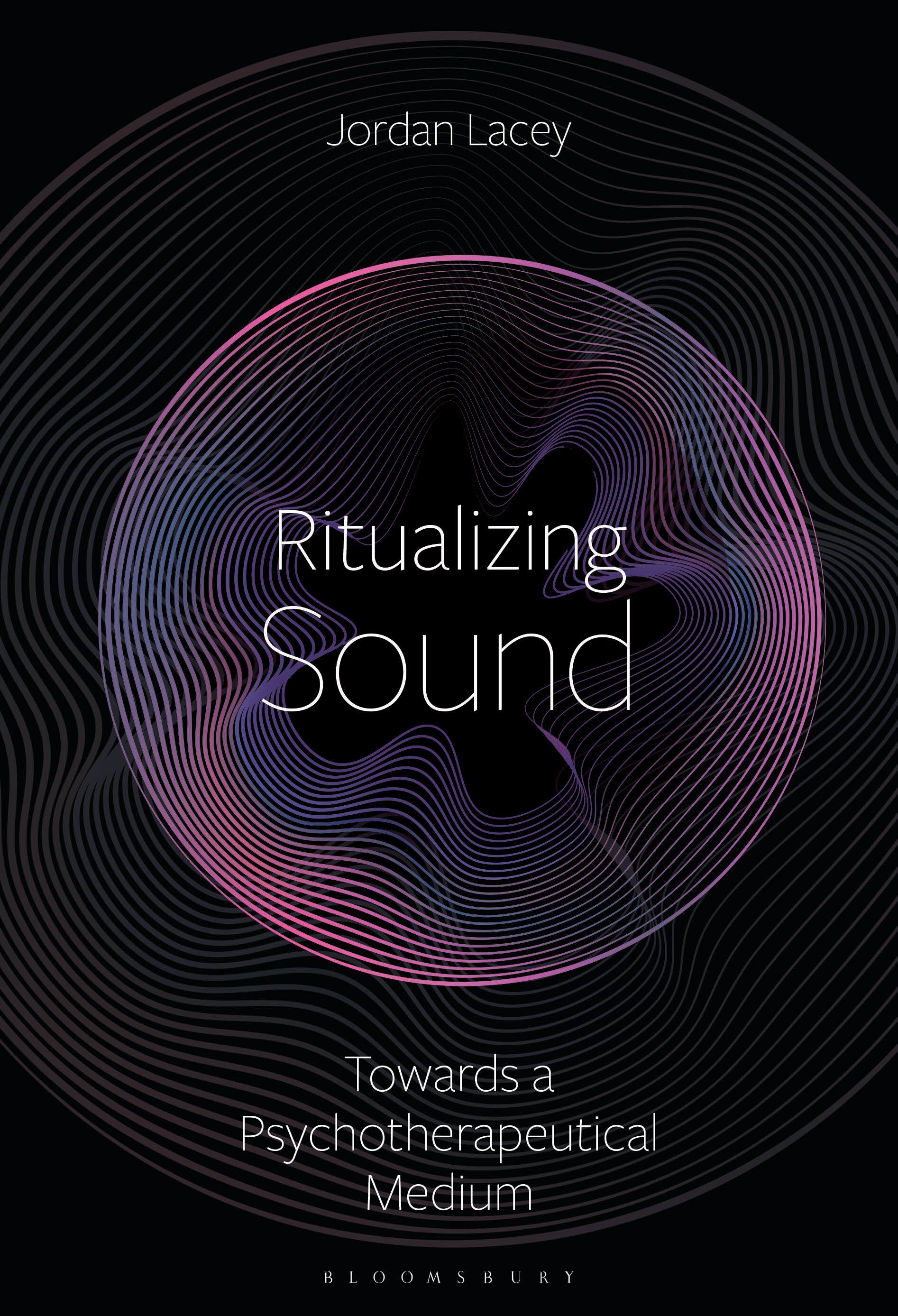
Following on previous publications Sonic Rupture (Bloomsbury, 2016) and Urban Roar (Bloomsbury, 2022), which cover soundscape design and urban transformation, Jordan Lacey's Ritualizing Sound tackles how to ethically apply sound and ritual to creative arts and design practices.
Techno-capitalism is extractive of resources and of people's capacity to connect meaningfully with the earth and one another. Extractive practices are those that draw on natural resources without allowing for material or spiritual replenishment, a process that is extrapolated to social relations including the human and the non-human. In Ritualizing Sound, ritual is offered as a reciprocal, non-extractive practice that builds relationships. In particular, First Nations' scholarship and philosophy on ceremony and ritual, designed for relationship-building within communities and with the land, between individuals and families, and with the earth, are centred, with the author exploring ways to ethically learn from and apply these practices to sound studies. A theoretical pathway for sound, voice and bodily practices is offered, which the author terms psychotherapeutical materialism.
The book explores these ethical approaches to sound and ritual through various examples of artists – historical and contemporary – who follow these practices already including an extended investigation of the author's own creative practice projects, which builds on methods developed in his two prior books. The conversation expands beyond sound installations and sound art events to include performance-based works and environmental sculptures (incidental and designed) for understanding the role of sound-as thinking and practice-in deepening one's relationship with the environment. In so doing, Ritualizing Sound asks how our bodies might entangle with more-than-human forces to heal human-culture-planetary relationships.
Techno-capitalism is extractive of resources and of people's capacity to connect meaningfully with the earth and one another. Extractive practices are those that draw on natural resources without allowing for material or spiritual replenishment, a process that is extrapolated to social relations including the human and the non-human. In Ritualizing Sound, ritual is offered as a reciprocal, non-extractive practice that builds relationships. In particular, First Nations' scholarship and philosophy on ceremony and ritual, designed for relationship-building within communities and with the land, between individuals and families, and with the earth, are centred, with the author exploring ways to ethically learn from and apply these practices to sound studies. A theoretical pathway for sound, voice and bodily practices is offered, which the author terms psychotherapeutical materialism.
The book explores these ethical approaches to sound and ritual through various examples of artists – historical and contemporary – who follow these practices already including an extended investigation of the author's own creative practice projects, which builds on methods developed in his two prior books. The conversation expands beyond sound installations and sound art events to include performance-based works and environmental sculptures (incidental and designed) for understanding the role of sound-as thinking and practice-in deepening one's relationship with the environment. In so doing, Ritualizing Sound asks how our bodies might entangle with more-than-human forces to heal human-culture-planetary relationships.
Pages: 208
Catégorie: Konst, Design & Fotografi
e-ISBN: 9798765135280
Poids d'expédition: 1.2 kg
Expédié sous: 1-2 jours
Payez facilement par carte, Klarna, Apple Pay ou Google Pay. Pas satisfait ? Vous avez toujours une garantie de remboursement de 14 jours. En savoir plus dans nos conditions. Si vous avez des questions, envoyez-nous un e-mail à hello@memmo.org.
Memmo facilite tes études, où que tu sois dans le monde. On rassemble tes manuels de cours et des outils d'étude intelligents au même endroit : résumés, quiz, podcasts et flashcards. Et il y a Ted, ton compagnon d'étude qui répond à toutes tes questions. Plus de 50 000 étudiants étudient déjà ici – conçu pour t'aider à apprendre plus vite et à moins stresser.