
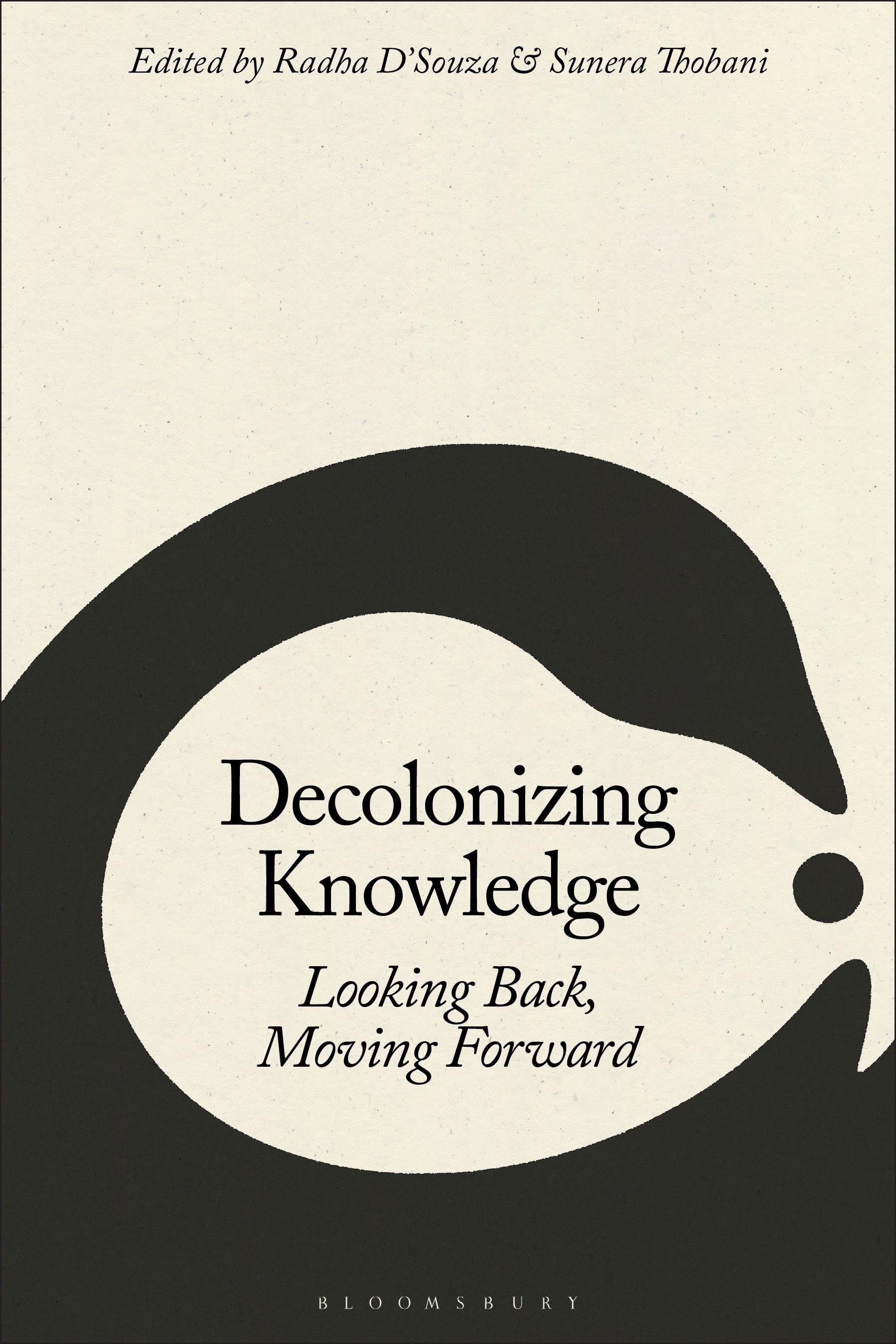
Interdisciplinary scholars rethink strategies for moving contemporary decolonization politics forward by revisiting the writings of the mid-20th century anti-colonial movements' leading intellectuals.
Decolonizing Knowledge draws on intellectual histories of anti-colonial thinkers who developed their ideas of decolonization through practical engagement with struggles for freedom from colonialism. Reading works by J.P.S. Uberoi, Frantz Fanon, Aimé Césaire, C.L.R. James and Andaiye, among others, interdisciplinary activist scholars reflect on the meaning of decolonization that emerged from anti-colonial struggles of the past and its relevance today.
Each chapter in the volume reflects on one or more texts from anti-colonial thinkers of the past to draw out the meaning of decolonization as conceptualized by earlier generations, providing key insights from their thinking and examining their relevance for contemporary struggles for racial, gender and class justice. With authors writing from multiple disciplines, these essays straddle a range of themes from theory and practice, art and literature, gender and violence, and political economy, to address a subject that is preoccupying academia and activists in the 21st century.
Decolonizing Knowledge is an intervention into contemporary debates on decolonizing curricula and universities, arguing that these calls need to be firmly engaged in wider social practices for justice, and that they can learn much from those who wrote on the topic amid the 20th century's many struggles for freedom.
Decolonizing Knowledge draws on intellectual histories of anti-colonial thinkers who developed their ideas of decolonization through practical engagement with struggles for freedom from colonialism. Reading works by J.P.S. Uberoi, Frantz Fanon, Aimé Césaire, C.L.R. James and Andaiye, among others, interdisciplinary activist scholars reflect on the meaning of decolonization that emerged from anti-colonial struggles of the past and its relevance today.
Each chapter in the volume reflects on one or more texts from anti-colonial thinkers of the past to draw out the meaning of decolonization as conceptualized by earlier generations, providing key insights from their thinking and examining their relevance for contemporary struggles for racial, gender and class justice. With authors writing from multiple disciplines, these essays straddle a range of themes from theory and practice, art and literature, gender and violence, and political economy, to address a subject that is preoccupying academia and activists in the 21st century.
Decolonizing Knowledge is an intervention into contemporary debates on decolonizing curricula and universities, arguing that these calls need to be firmly engaged in wider social practices for justice, and that they can learn much from those who wrote on the topic amid the 20th century's many struggles for freedom.
Pages: 296
Catégorie: Kultur-, Genus- & Postkoloniala studier
e-ISBN: 9798765125472
Poids d'expédition: 1.2 kg
Expédié sous: 1-2 jours
Payez facilement par carte, Klarna, Apple Pay ou Google Pay. Pas satisfait ? Vous avez toujours une garantie de remboursement de 14 jours. En savoir plus dans nos conditions. Si vous avez des questions, envoyez-nous un e-mail à hello@memmo.org.
Memmo facilite tes études, où que tu sois dans le monde. On rassemble tes manuels de cours et des outils d'étude intelligents au même endroit : résumés, quiz, podcasts et flashcards. Et il y a Ted, ton compagnon d'étude qui répond à toutes tes questions. Plus de 50 000 étudiants étudient déjà ici – conçu pour t'aider à apprendre plus vite et à moins stresser.