
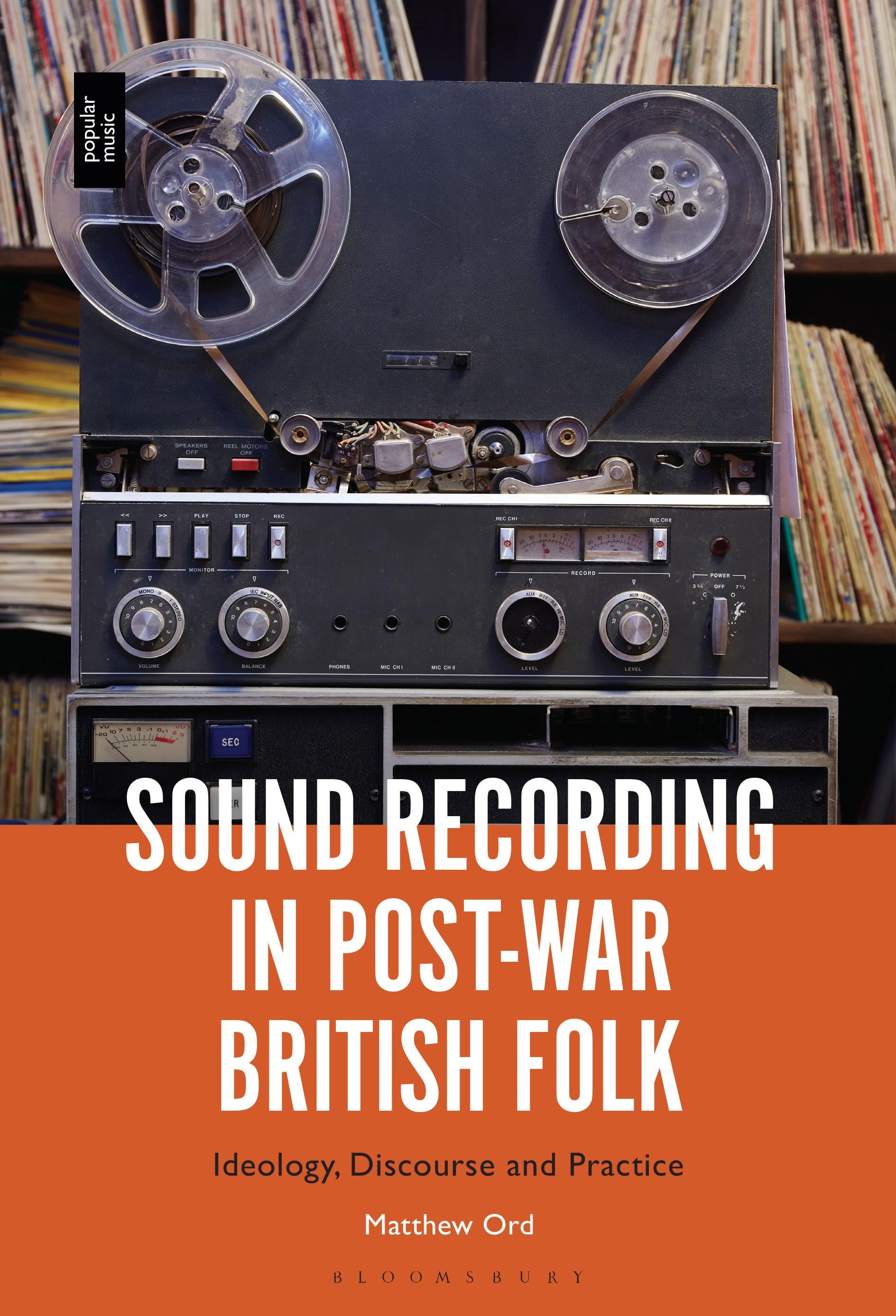
Recording technologies shaped the sound and meaning of 20th-century folk music in Britain, constructing a sonic aesthetics of authenticity in an era of rapid technological and social transformation.
The folk revival that changed the sound of 20th century British popular music was sustained by a varied and innovative recording culture. For many listeners, the sound of folk on record presented a 'real' sound in an age of studio artifice, asserting the value of face-to-face performance over technologically mediated consumption. At the same time, the folk movement benefitted from rapid advances in recording and media technology, encompassing a range of sonic practices including radio documentary, commercial studio production and field recording. Within the revival as a cultural movement, recordings and the act of recording itself reflected and shaped the meaning of the music for musicians and their audiences as they developed new aesthetic practices and explored the expressive potential of recorded sound.
Sound Recording in Post-War British Folk traces how folk's recording culture was shaped by beliefs about music, technology and society, becoming a key site for the articulation of aesthetic, cultural and political values. Ord brings together theoretical approaches from musicology, social semiotics and science and technology studies and draws upon interviews with musicians and producers to explore the place of recording in 20th-century folk and popular music and raise larger questions about the relationship between music, recording technologies and cultural-political movements.
The folk revival that changed the sound of 20th century British popular music was sustained by a varied and innovative recording culture. For many listeners, the sound of folk on record presented a 'real' sound in an age of studio artifice, asserting the value of face-to-face performance over technologically mediated consumption. At the same time, the folk movement benefitted from rapid advances in recording and media technology, encompassing a range of sonic practices including radio documentary, commercial studio production and field recording. Within the revival as a cultural movement, recordings and the act of recording itself reflected and shaped the meaning of the music for musicians and their audiences as they developed new aesthetic practices and explored the expressive potential of recorded sound.
Sound Recording in Post-War British Folk traces how folk's recording culture was shaped by beliefs about music, technology and society, becoming a key site for the articulation of aesthetic, cultural and political values. Ord brings together theoretical approaches from musicology, social semiotics and science and technology studies and draws upon interviews with musicians and producers to explore the place of recording in 20th-century folk and popular music and raise larger questions about the relationship between music, recording technologies and cultural-political movements.
Payez facilement par carte, Klarna, Apple Pay ou Google Pay. Pas satisfait ? Vous avez toujours une garantie de remboursement de 14 jours. En savoir plus dans nos conditions. Si vous avez des questions, envoyez-nous un e-mail à hello@memmo.org.
Memmo facilite tes études, où que tu sois dans le monde. On rassemble tes manuels de cours et des outils d'étude intelligents au même endroit : résumés, quiz, podcasts et flashcards. Et il y a Ted, ton compagnon d'étude qui répond à toutes tes questions. Plus de 50 000 étudiants étudient déjà ici – conçu pour t'aider à apprendre plus vite et à moins stresser.