
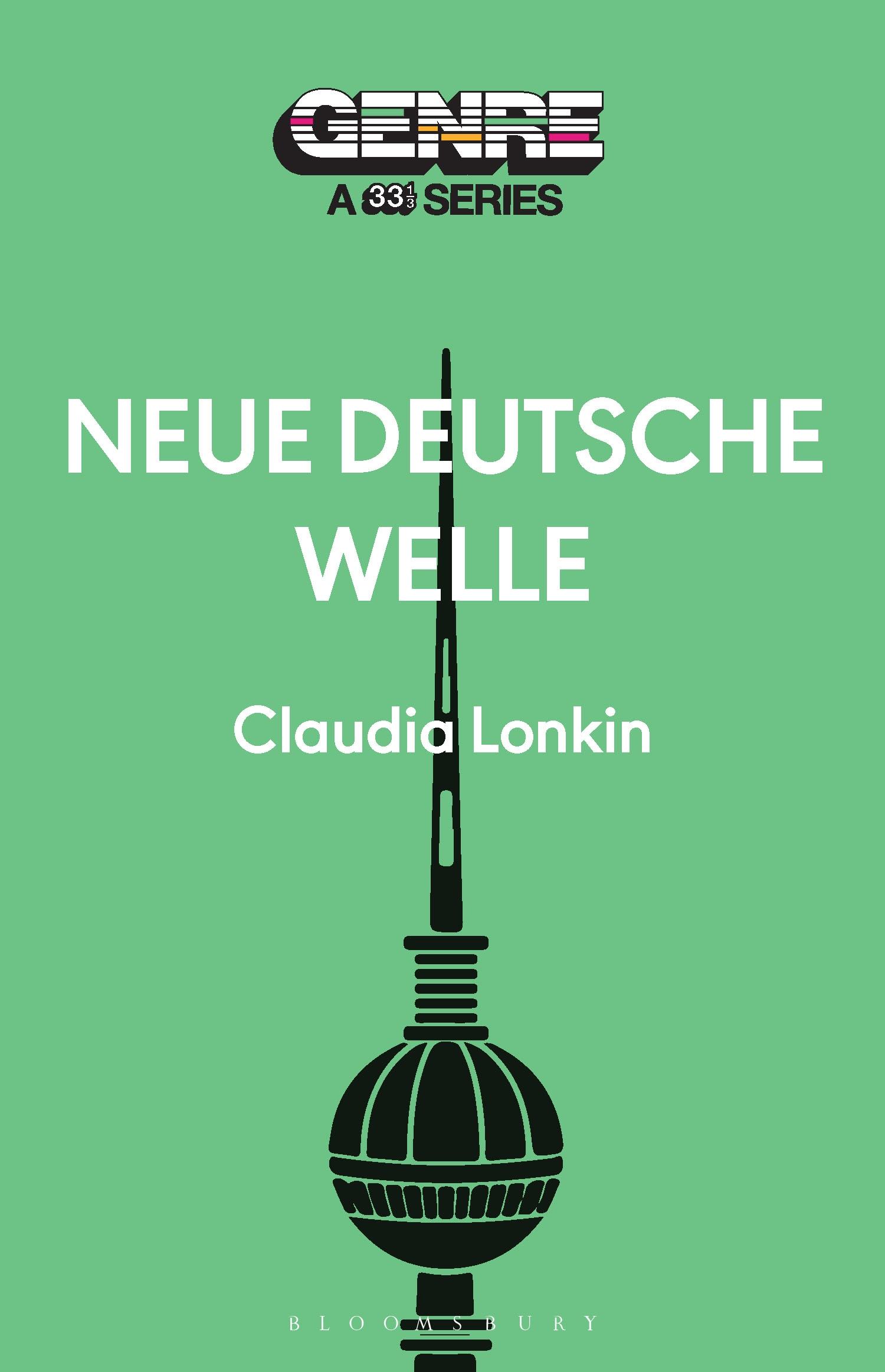
Neue Deutsche Welle (NDW), or “German New Wave,” was made extraordinarily popular in the 1970s and 1980s by the likes of Nena's "99 Luftballons" and Trio's "Da Da Da"-and then left as quickly as it came. Conventional wisdom among artists dictates that it's better to burn out than fade away, but this doesn't tell the full story of NDW-the reason for its rapid rise and fall, the historical context that necessitated the genre, and where the energy of the NDW movement went after its end.
The genre has international influences but still demonstrates a uniquely German desire to build a new, sanitized identity in the aftermath of World War II. Originally quite subversive and underground, NDW became exponentially more mainstream until it could no longer sustain itself creatively. And rather than disappearing, it helped give rise to the post-Cold War rave craze and is still an important touchstone in music history.
The genre has international influences but still demonstrates a uniquely German desire to build a new, sanitized identity in the aftermath of World War II. Originally quite subversive and underground, NDW became exponentially more mainstream until it could no longer sustain itself creatively. And rather than disappearing, it helped give rise to the post-Cold War rave craze and is still an important touchstone in music history.
Payez facilement par carte, Klarna, Apple Pay ou Google Pay. Pas satisfait ? Vous avez toujours une garantie de remboursement de 14 jours. En savoir plus dans nos conditions. Si vous avez des questions, envoyez-nous un e-mail à hello@memmo.org.
Memmo facilite tes études, où que tu sois dans le monde. On rassemble tes manuels de cours et des outils d'étude intelligents au même endroit : résumés, quiz, podcasts et flashcards. Et il y a Ted, ton compagnon d'étude qui répond à toutes tes questions. Plus de 50 000 étudiants étudient déjà ici – conçu pour t'aider à apprendre plus vite et à moins stresser.