
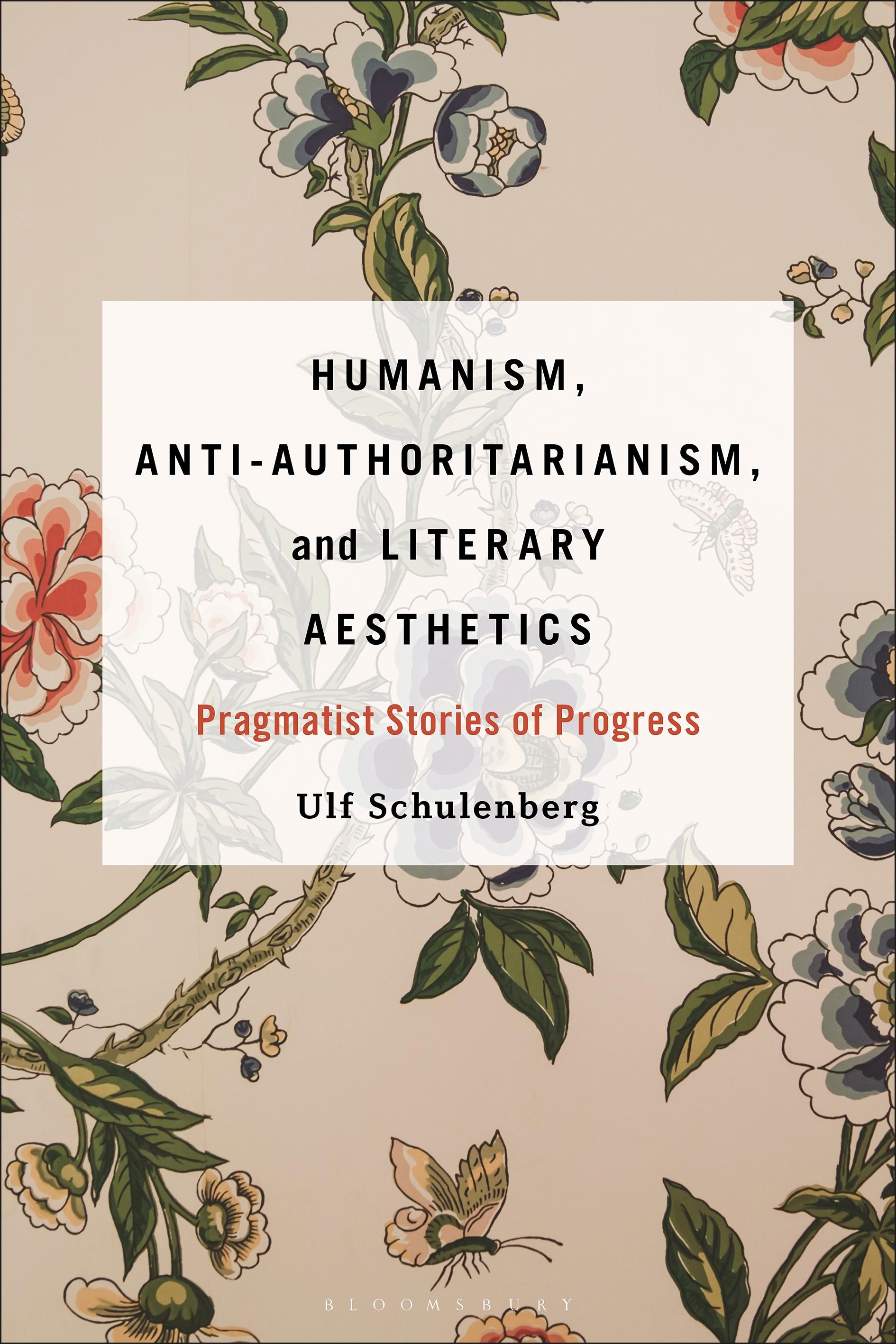
Presenting pragmatist humanism as a form of anti-authoritarianism, this book sheds light on the contemporary significance of pragmatist aesthetics and the revival of humanism.
This interdisciplinary study shows that a mediation between pragmatist aesthetics – which emphasizes the significance of creating, making, and inventing – and Marxist materialist aesthetics – which values form – promises interesting results and that the former can learn from the latter.
In doing so, Ulf Schulenberg discusses 3 layers of the multi-layered phenomenon that is the revival of humanism: He first explains the potential of a pragmatist humanism, clarifying the contemporary significance of humanism. He then argues that pragmatist humanism is a form of anti-authoritarianism. Finally, he shows the possibility of bringing together the resurgence of humanism and a renewed interest in the work of aesthetic form by arguing that pragmatist aesthetics needs a more complex conception of form.
Establishing a transatlantic theoretical dialogue, Humanism, Anti-Authoritarianism, and Literary Aesthetics brings together literary and aesthetic theory, philosophy, and intellectual history. It discusses a broad range of authors – from Emerson, Whitman, James, Nietzsche, Proust, and Dewey to Wittgenstein, Lukács, Adorno, Jameson, Latour, and Rorty – to illuminate how humanism, pragmatism, and anti-authoritarianism are interlinked.
This interdisciplinary study shows that a mediation between pragmatist aesthetics – which emphasizes the significance of creating, making, and inventing – and Marxist materialist aesthetics – which values form – promises interesting results and that the former can learn from the latter.
In doing so, Ulf Schulenberg discusses 3 layers of the multi-layered phenomenon that is the revival of humanism: He first explains the potential of a pragmatist humanism, clarifying the contemporary significance of humanism. He then argues that pragmatist humanism is a form of anti-authoritarianism. Finally, he shows the possibility of bringing together the resurgence of humanism and a renewed interest in the work of aesthetic form by arguing that pragmatist aesthetics needs a more complex conception of form.
Establishing a transatlantic theoretical dialogue, Humanism, Anti-Authoritarianism, and Literary Aesthetics brings together literary and aesthetic theory, philosophy, and intellectual history. It discusses a broad range of authors – from Emerson, Whitman, James, Nietzsche, Proust, and Dewey to Wittgenstein, Lukács, Adorno, Jameson, Latour, and Rorty – to illuminate how humanism, pragmatism, and anti-authoritarianism are interlinked.
Payez facilement par carte, Klarna, Apple Pay ou Google Pay. Pas satisfait ? Vous avez toujours une garantie de remboursement de 14 jours. En savoir plus dans nos conditions. Si vous avez des questions, envoyez-nous un e-mail à hello@memmo.org.
Memmo facilite tes études, où que tu sois dans le monde. On rassemble tes manuels de cours et des outils d'étude intelligents au même endroit : résumés, quiz, podcasts et flashcards. Et il y a Ted, ton compagnon d'étude qui répond à toutes tes questions. Plus de 50 000 étudiants étudient déjà ici – conçu pour t'aider à apprendre plus vite et à moins stresser.