
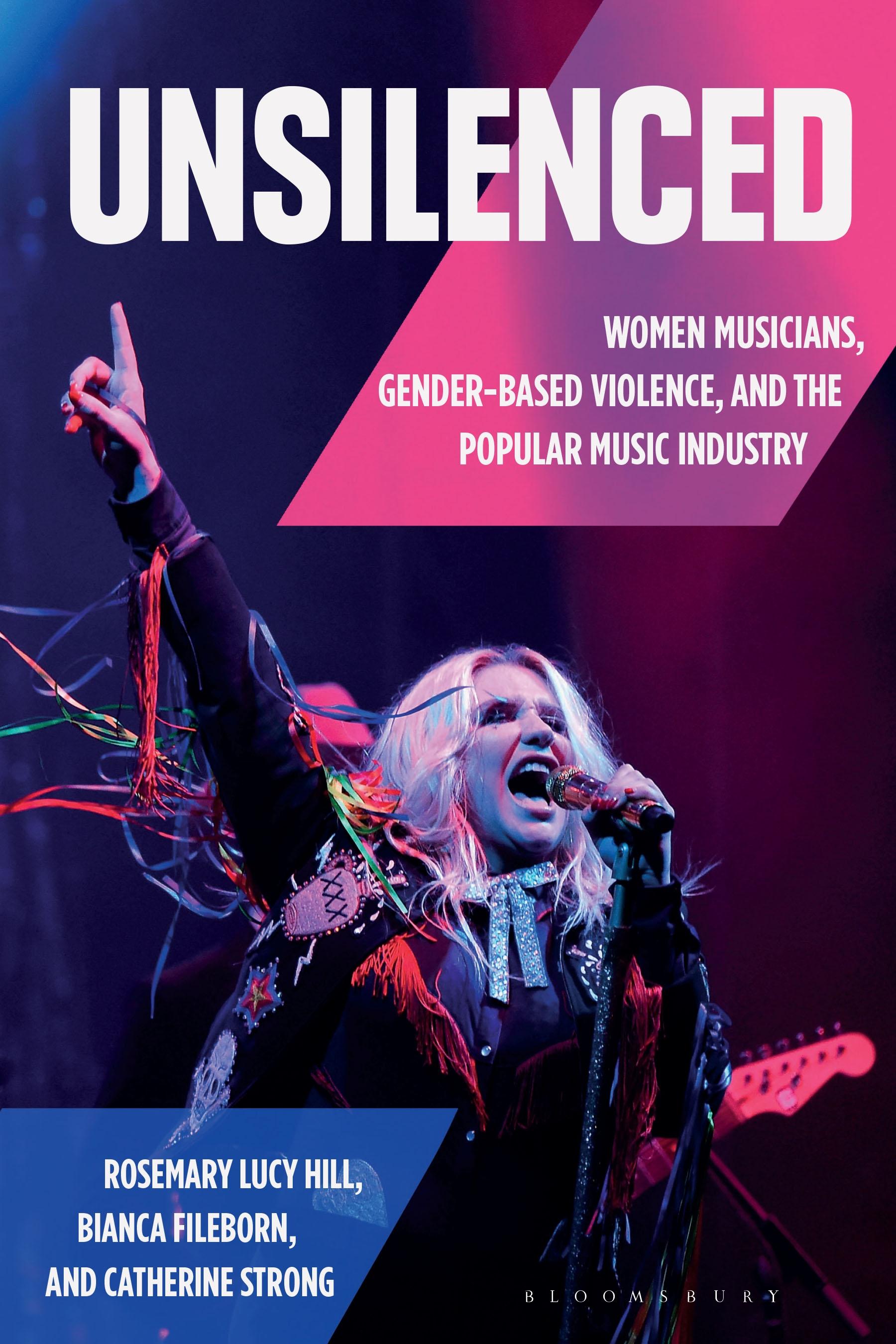
2026 PROSE Award Finalist in Music & The Performing Arts
This book explores gender-based violence within the music industry, and how women who have experienced violence represent it in their music.
Using the key case studies of music by Kesha, Lingua Ignota, and Alice Glass, as well as many other examples from across the musical landscape, the book examines how the artists represent their experiences of gender-based violence in their music, lyrics, and music videos; how they narrate and describe their experiences; how they incorporate these experiences into their public personas; and how the music industry itself might be facilitating or perpetuating the violence.
The analysis sheds light on how survivors construct their experiences, and how the songs and videos inscribe new understandings of gender-based violence. The book argues that men's control of women's creativity can be considered a form of musical abuse, and that through its structures and systems the music industry itself can be classed as inherently abusive. And yet, women musicians can sing back to the violence they've experienced and create powerful new representations that have the potential to change the way we listen to music, if we are prepared to develop our feminist ears.
This book explores gender-based violence within the music industry, and how women who have experienced violence represent it in their music.
Using the key case studies of music by Kesha, Lingua Ignota, and Alice Glass, as well as many other examples from across the musical landscape, the book examines how the artists represent their experiences of gender-based violence in their music, lyrics, and music videos; how they narrate and describe their experiences; how they incorporate these experiences into their public personas; and how the music industry itself might be facilitating or perpetuating the violence.
The analysis sheds light on how survivors construct their experiences, and how the songs and videos inscribe new understandings of gender-based violence. The book argues that men's control of women's creativity can be considered a form of musical abuse, and that through its structures and systems the music industry itself can be classed as inherently abusive. And yet, women musicians can sing back to the violence they've experienced and create powerful new representations that have the potential to change the way we listen to music, if we are prepared to develop our feminist ears.
Pages: 160
Catégorie: Kultur-, Genus- & Postkoloniala studier
e-ISBN: 9798765101711
Poids d'expédition: 1.2 kg
Expédié sous: 1-2 jours
Payez facilement par carte, Klarna, Apple Pay ou Google Pay. Pas satisfait ? Vous avez toujours une garantie de remboursement de 14 jours. En savoir plus dans nos conditions. Si vous avez des questions, envoyez-nous un e-mail à hello@memmo.org.
Memmo facilite tes études, où que tu sois dans le monde. On rassemble tes manuels de cours et des outils d'étude intelligents au même endroit : résumés, quiz, podcasts et flashcards. Et il y a Ted, ton compagnon d'étude qui répond à toutes tes questions. Plus de 50 000 étudiants étudient déjà ici – conçu pour t'aider à apprendre plus vite et à moins stresser.