
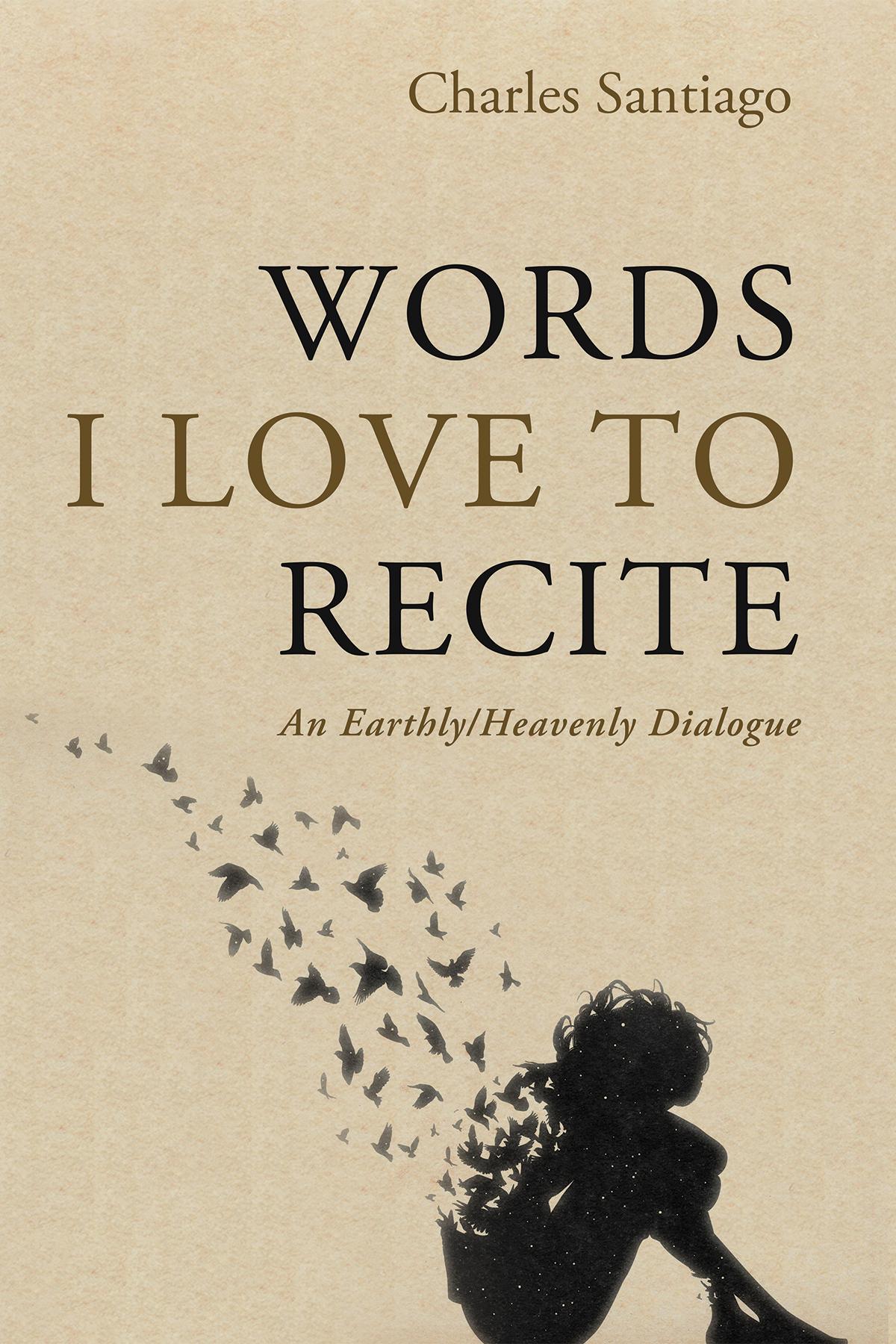
The experience of the afterlife is, normally, considered to take place after death. Death is seen as a wall of partition between those living and those departed. "Dead and gone" are words often used to describe the departed. The writer of these poems was at his wife's bedside when she took her last breath. Anyone observing the horror and desperation the author expressed at that moment would have concluded that he truly believed his wife was dead and gone. In fact, he did believe she was dead and gone. A grief counselor suggested to the new widower that he keep a journal of his experience. He started keeping a journal which, from the start, was a dialogue between him and his "departed" wife. The prose dialogue soon became peppered with poems. The widower began to notice that there were, sometimes, correlations between what was written in the poems and his daily experience. The poems and his daily experience became for the new widower proof enough that the afterlife can be experienced this side of the grave.
Payez facilement par carte, Klarna, Apple Pay ou Google Pay. Pas satisfait ? Vous avez toujours une garantie de remboursement de 14 jours. En savoir plus dans nos conditions. Si vous avez des questions, envoyez-nous un e-mail à hello@memmo.org.
Memmo facilite tes études, où que tu sois dans le monde. On rassemble tes manuels de cours et des outils d'étude intelligents au même endroit : résumés, quiz, podcasts et flashcards. Et il y a Ted, ton compagnon d'étude qui répond à toutes tes questions. Plus de 50 000 étudiants étudient déjà ici – conçu pour t'aider à apprendre plus vite et à moins stresser.
Tu pourrais aussi aimer
Acheter le livre0