
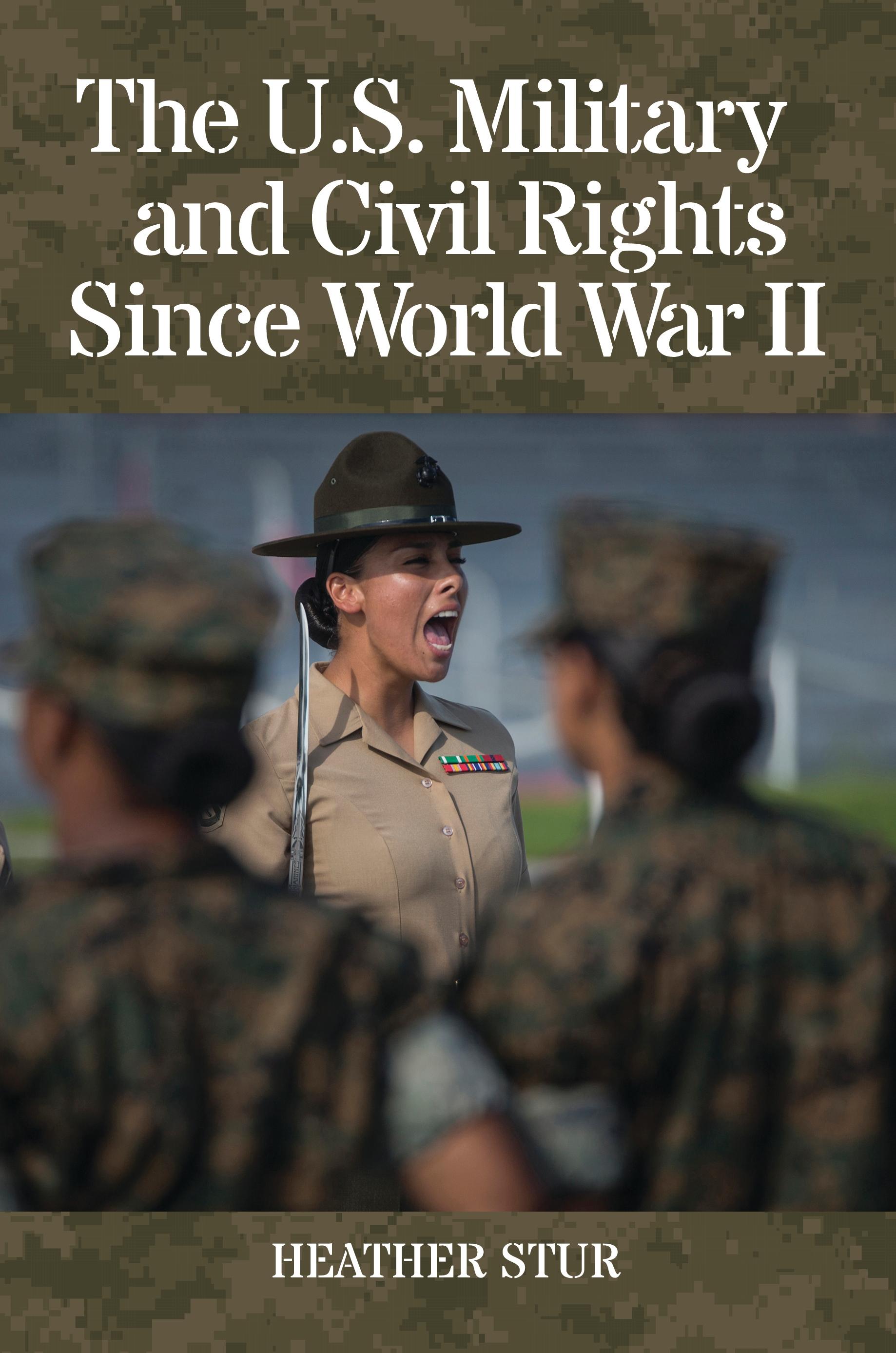
Through examinations of U.S. military racial and gender integration efforts and its handling of sexuality, this book argues that the need for personnel filling the ranks has forced the armed services to be pragmatically progressive since World War II.
The integration of African Americans and women into the United States Armed Forces after World War II coincided with major social movements in which marginalized civilians demanded equal citizenship rights. As this book explores, due to personnel needs, the military was a leading institution in its opening of positions to women and African Americans and its offering of educational and economic opportunities that in many cases were not available to them in the civilian world.
By opening positions to African Americans and women and remaking its "where boys become men" image, the military was an institutional leader on the issue of social equality in the second half of the 20th century. The pushback against gay men and women wishing to serve openly in the forces, however, revealed the limits of the military's pragmatic progressivism. This text investigates how policymakers have defined who belongs in the military and counts as a soldier, and examines how the need to attract new recruits led to the opening of the forces to marginalized groups and the rebranding of the services.
The integration of African Americans and women into the United States Armed Forces after World War II coincided with major social movements in which marginalized civilians demanded equal citizenship rights. As this book explores, due to personnel needs, the military was a leading institution in its opening of positions to women and African Americans and its offering of educational and economic opportunities that in many cases were not available to them in the civilian world.
By opening positions to African Americans and women and remaking its "where boys become men" image, the military was an institutional leader on the issue of social equality in the second half of the 20th century. The pushback against gay men and women wishing to serve openly in the forces, however, revealed the limits of the military's pragmatic progressivism. This text investigates how policymakers have defined who belongs in the military and counts as a soldier, and examines how the need to attract new recruits led to the opening of the forces to marginalized groups and the rebranding of the services.
Payez facilement par carte, Klarna, Apple Pay ou Google Pay. Pas satisfait ? Vous avez toujours une garantie de remboursement de 14 jours. En savoir plus dans nos conditions. Si vous avez des questions, envoyez-nous un e-mail à hello@memmo.org.
Memmo facilite tes études, où que tu sois dans le monde. On rassemble tes manuels de cours et des outils d'étude intelligents au même endroit : résumés, quiz, podcasts et flashcards. Et il y a Ted, ton compagnon d'étude qui répond à toutes tes questions. Plus de 50 000 étudiants étudient déjà ici – conçu pour t'aider à apprendre plus vite et à moins stresser.