
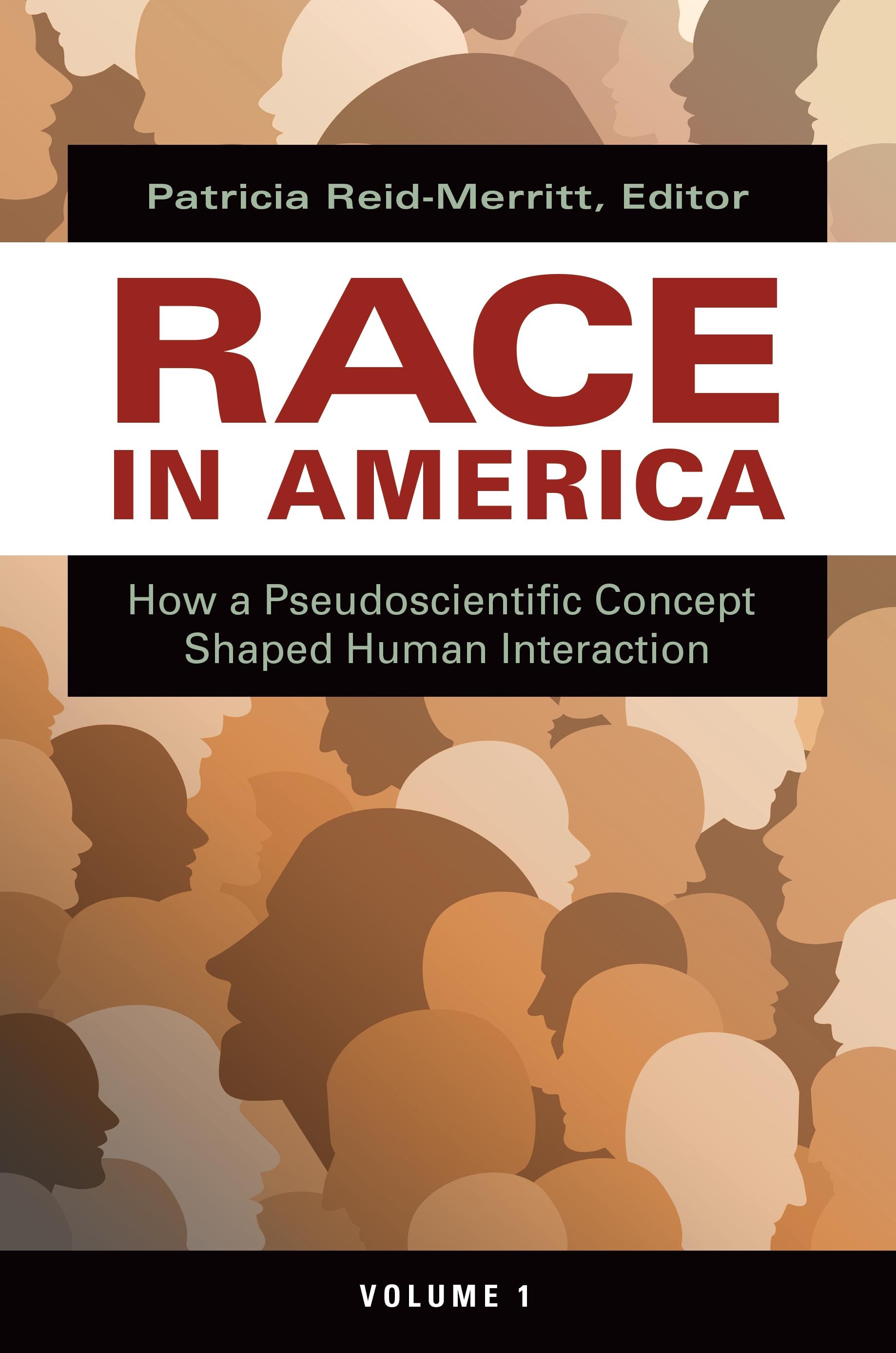
Focusing on the socially explosive concept of race and how it has affected human interactions, this work examines the social and scientific definitions of race, the implementation of racialized policies and practices, the historical and contemporary manifestations of the use of race in shaping social interactions within U.S. society and elsewhere, and where our notions of race will likely lead.
More than a decade and a half into the 21st century, the term "race" remains one of the most emotionally charged words in the human language. While race can be defined as "a local geographic or global human population distinguished as a more or less distinct group by genetically transmitted physical characteristics," the concept of race can better be understood as a socially defined construct—a system of human classification that carries tremendous weight, yet is complex, confusing, contradictory, controversial, and imprecise.
This collection of essays focuses on the socially explosive concept of race and how it has shaped human interactions across civilization. The contributed work examines the social and scientific definitions of race, the implementation of racialized policies and practices, and the historical and contemporary manifestations of the use of race in shaping social interactions (primarily) in the United States—a nation where the concept of race is further convoluted by the nation's extensive history of miscegenation as well as the continuous flow of immigrant groups from countries whose definitions of race, ethnicity, and culture remain fluid. Readers will gain insights into subjects such as how we as individuals define ourselves through concepts of race, how race affects social privilege, "color blindness" as an obstacle to social change, legal perspectives on race, racialization of the religious experience, and how the media perpetuates racial stereotypes.
More than a decade and a half into the 21st century, the term "race" remains one of the most emotionally charged words in the human language. While race can be defined as "a local geographic or global human population distinguished as a more or less distinct group by genetically transmitted physical characteristics," the concept of race can better be understood as a socially defined construct—a system of human classification that carries tremendous weight, yet is complex, confusing, contradictory, controversial, and imprecise.
This collection of essays focuses on the socially explosive concept of race and how it has shaped human interactions across civilization. The contributed work examines the social and scientific definitions of race, the implementation of racialized policies and practices, and the historical and contemporary manifestations of the use of race in shaping social interactions (primarily) in the United States—a nation where the concept of race is further convoluted by the nation's extensive history of miscegenation as well as the continuous flow of immigrant groups from countries whose definitions of race, ethnicity, and culture remain fluid. Readers will gain insights into subjects such as how we as individuals define ourselves through concepts of race, how race affects social privilege, "color blindness" as an obstacle to social change, legal perspectives on race, racialization of the religious experience, and how the media perpetuates racial stereotypes.
Payez facilement par carte, Klarna, Apple Pay ou Google Pay. Pas satisfait ? Vous avez toujours une garantie de remboursement de 14 jours. En savoir plus dans nos conditions. Si vous avez des questions, envoyez-nous un e-mail à hello@memmo.org.
Memmo facilite tes études, où que tu sois dans le monde. On rassemble tes manuels de cours et des outils d'étude intelligents au même endroit : résumés, quiz, podcasts et flashcards. Et il y a Ted, ton compagnon d'étude qui répond à toutes tes questions. Plus de 50 000 étudiants étudient déjà ici – conçu pour t'aider à apprendre plus vite et à moins stresser.