
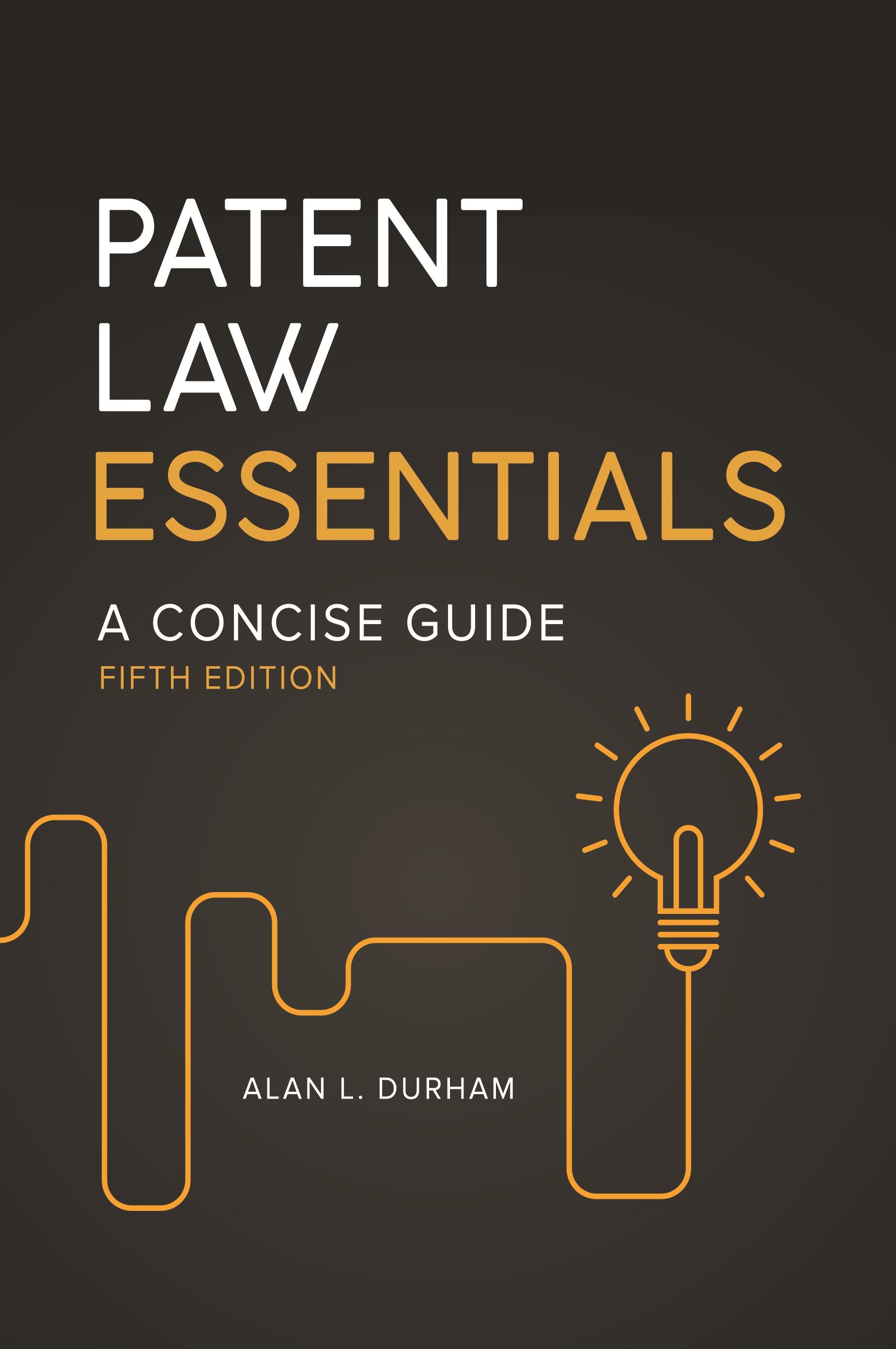
This essential desk reference for patent attorneys, engineers, entrepreneurs, innovators, development professionals, and students has been updated with the latest court cases and legislation.
In a world in which businesses thrive on innovation, it is more important than ever to understand the sometimes arcane rules through which human ingenuity becomes intellectual property. Although many reference works on patent law exist, they are written for specialists. Through clear writing, specific examples, and focus on the fundamentals, Patent Law Essentials: A Concise Guide makes the basic rules of patent law accessible to businesspeople, engineers, students, and others who need to understand the rules of a notoriously complicated game.
Patent Law Essentials begins with an overview of patent law and other aspects of intellectual property and then guides the reader through an example of an actual patent—one literally claiming "a better mousetrap." The chapters that follow discuss the types of inventions that can be patented (recently a subject of much dispute), the process of applying for a patent, the requirements of a valid patent, and the procedures for determining if a patent has been infringed upon. The appendix includes several examples of actual U.S. patents, including the mousetrap patent discussed in detail in the early chapters.
In a world in which businesses thrive on innovation, it is more important than ever to understand the sometimes arcane rules through which human ingenuity becomes intellectual property. Although many reference works on patent law exist, they are written for specialists. Through clear writing, specific examples, and focus on the fundamentals, Patent Law Essentials: A Concise Guide makes the basic rules of patent law accessible to businesspeople, engineers, students, and others who need to understand the rules of a notoriously complicated game.
Patent Law Essentials begins with an overview of patent law and other aspects of intellectual property and then guides the reader through an example of an actual patent—one literally claiming "a better mousetrap." The chapters that follow discuss the types of inventions that can be patented (recently a subject of much dispute), the process of applying for a patent, the requirements of a valid patent, and the procedures for determining if a patent has been infringed upon. The appendix includes several examples of actual U.S. patents, including the mousetrap patent discussed in detail in the early chapters.
Payez facilement par carte, Klarna, Apple Pay ou Google Pay. Pas satisfait ? Vous avez toujours une garantie de remboursement de 14 jours. En savoir plus dans nos conditions. Si vous avez des questions, envoyez-nous un e-mail à hello@memmo.org.
Memmo facilite tes études, où que tu sois dans le monde. On rassemble tes manuels de cours et des outils d'étude intelligents au même endroit : résumés, quiz, podcasts et flashcards. Et il y a Ted, ton compagnon d'étude qui répond à toutes tes questions. Plus de 50 000 étudiants étudient déjà ici – conçu pour t'aider à apprendre plus vite et à moins stresser.