
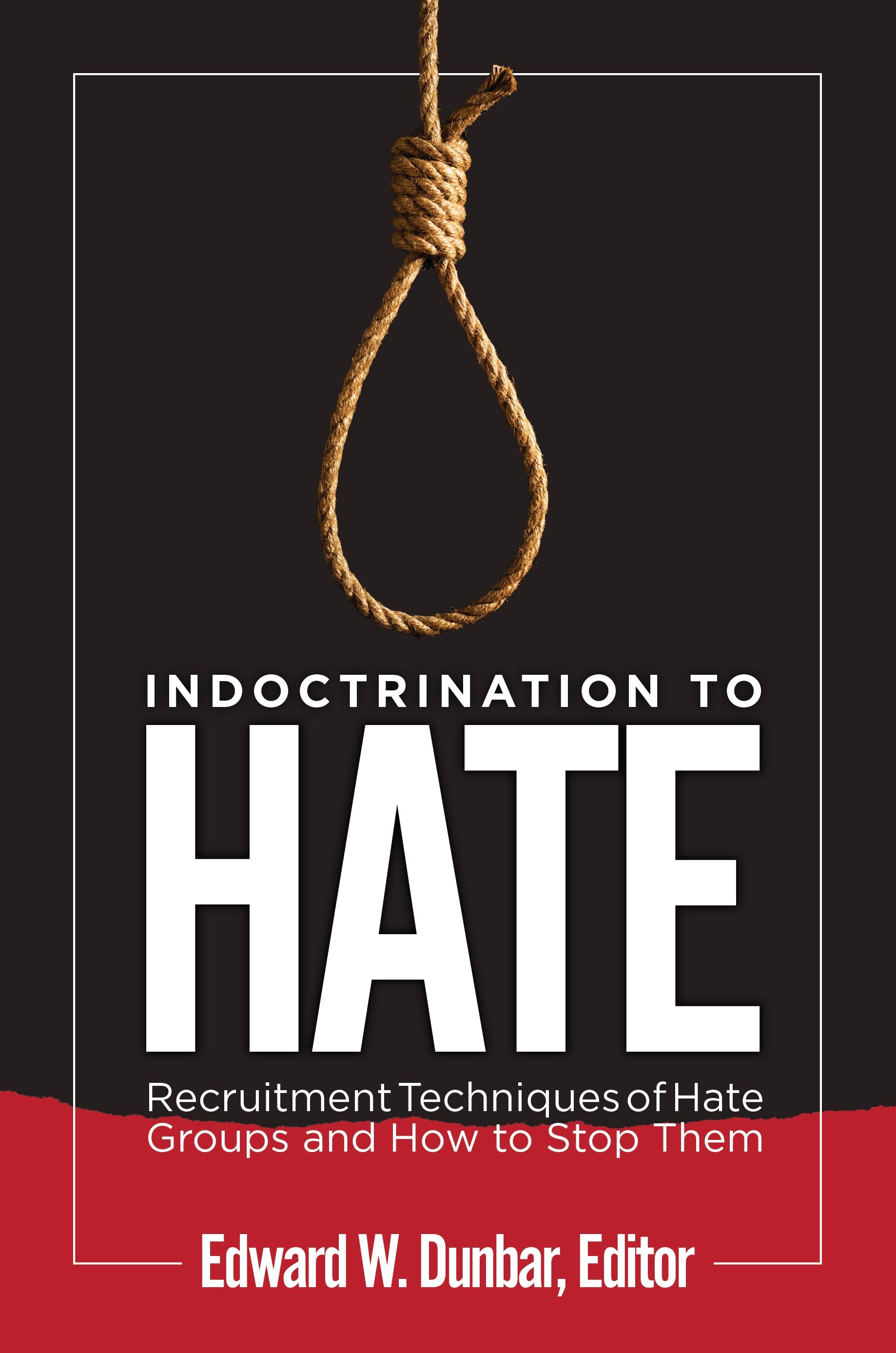
This collection spotlights the impact of hate violence on individuals and communities as well as how people form biases and are indoctrinated into hate groups, why they participate in violent hate crimes, and how hate may become extreme.
This book details the solicitation and indoctrination of members into extremist hate groups. Using theoretical, empirical, and field studies, experts explain the psychological processes of bias formation, hate identity, and the stages of extremism, and detail first-person accounts of hate group membership and critical incidents of hate violence. Contributors draw significantly upon the current wave of reactionary political and racial intolerance witnessed in the United States and Europe in addressing specific groups and forms of hate extremism as found across different cultural and geographic regions.
A statistically based analysis of how hate and ideology each contribute to political extremism accompanies the text and provides a long-term perspective of hate-based lifestyles. The book also offers a neuroscientific explanation of hate ideology as a psychological problem presenting a unique perspective, and a discussion of the interplay of governments and stakeholders in the untangling of the legal issues of hate crimes and of domestic and international terrorism. This text will be useful for students, researchers, and professionals in the social and behavioral sciences, law enforcement, criminal justice, and political science.
This book details the solicitation and indoctrination of members into extremist hate groups. Using theoretical, empirical, and field studies, experts explain the psychological processes of bias formation, hate identity, and the stages of extremism, and detail first-person accounts of hate group membership and critical incidents of hate violence. Contributors draw significantly upon the current wave of reactionary political and racial intolerance witnessed in the United States and Europe in addressing specific groups and forms of hate extremism as found across different cultural and geographic regions.
A statistically based analysis of how hate and ideology each contribute to political extremism accompanies the text and provides a long-term perspective of hate-based lifestyles. The book also offers a neuroscientific explanation of hate ideology as a psychological problem presenting a unique perspective, and a discussion of the interplay of governments and stakeholders in the untangling of the legal issues of hate crimes and of domestic and international terrorism. This text will be useful for students, researchers, and professionals in the social and behavioral sciences, law enforcement, criminal justice, and political science.
Payez facilement par carte, Klarna, Apple Pay ou Google Pay. Pas satisfait ? Vous avez toujours une garantie de remboursement de 14 jours. En savoir plus dans nos conditions. Si vous avez des questions, envoyez-nous un e-mail à hello@memmo.org.
Memmo facilite tes études, où que tu sois dans le monde. On rassemble tes manuels de cours et des outils d'étude intelligents au même endroit : résumés, quiz, podcasts et flashcards. Et il y a Ted, ton compagnon d'étude qui répond à toutes tes questions. Plus de 50 000 étudiants étudient déjà ici – conçu pour t'aider à apprendre plus vite et à moins stresser.