
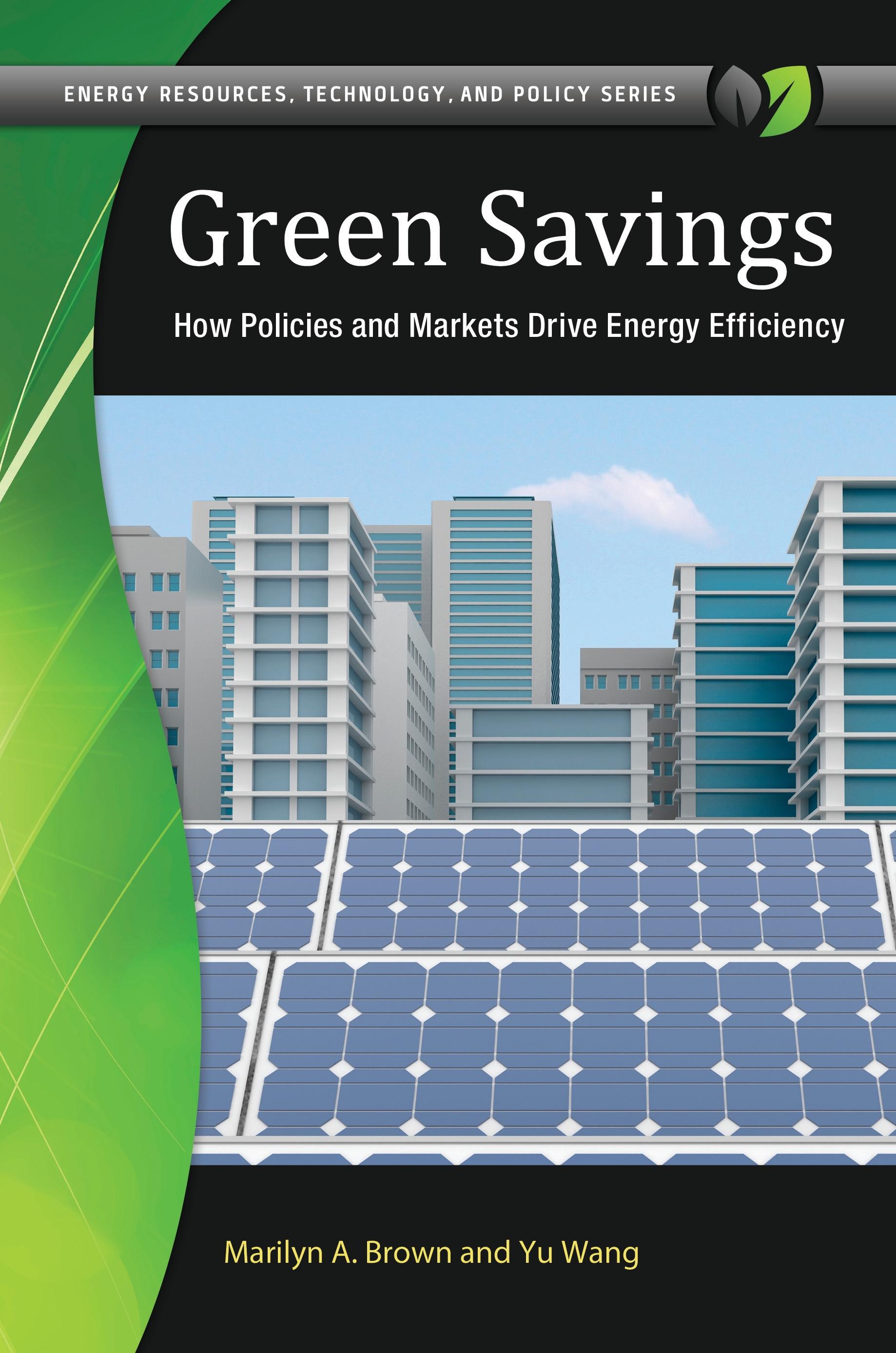
This landmark work lauds the benefits of decreased energy consumption, investigating its relationship to public policy and analyzing its potential billion-dollar benefits to the U.S. economy.
U.S. consumers tend to use energy indiscriminately—something they may no longer be able to do with impunity. This game-changing book asserts that reducing energy consumption should be a frontline strategy to address global climate change, threats to energy security, and the challenge of grid reliability. The book supports two bold arguments: that policies motivating greater investment in high energy efficiency should be a priority, and that energy efficiency can help the nation in times of crisis.
To make their case for the necessity of prioritizing demand reduction, the authors examine the policies and markets operating in a number of leading cities, states, and nations across the globe to uncover the keys to their success. These examples show how demand-side strategies can significantly reduce pollution, cut costs, and make the electric grid more resilient. The authors explain why these technologies are not widely adopted and assess the potential savings they can produce. The book will be an eye-opener for policymakers, energy professionals, and the public as it demonstrates how cost-effective demand reduction policies can improve air quality, strengthen electricity markets, and generate jobs.
U.S. consumers tend to use energy indiscriminately—something they may no longer be able to do with impunity. This game-changing book asserts that reducing energy consumption should be a frontline strategy to address global climate change, threats to energy security, and the challenge of grid reliability. The book supports two bold arguments: that policies motivating greater investment in high energy efficiency should be a priority, and that energy efficiency can help the nation in times of crisis.
To make their case for the necessity of prioritizing demand reduction, the authors examine the policies and markets operating in a number of leading cities, states, and nations across the globe to uncover the keys to their success. These examples show how demand-side strategies can significantly reduce pollution, cut costs, and make the electric grid more resilient. The authors explain why these technologies are not widely adopted and assess the potential savings they can produce. The book will be an eye-opener for policymakers, energy professionals, and the public as it demonstrates how cost-effective demand reduction policies can improve air quality, strengthen electricity markets, and generate jobs.
Pages: 304
Catégorie: Ekonomi & Utveckling
e-ISBN: 9798216092124
Poids d'expédition: 1.2 kg
Expédié sous: 1-2 jours
Payez facilement par carte, Klarna, Apple Pay ou Google Pay. Pas satisfait ? Vous avez toujours une garantie de remboursement de 14 jours. En savoir plus dans nos conditions. Si vous avez des questions, envoyez-nous un e-mail à hello@memmo.org.
Memmo facilite tes études, où que tu sois dans le monde. On rassemble tes manuels de cours et des outils d'étude intelligents au même endroit : résumés, quiz, podcasts et flashcards. Et il y a Ted, ton compagnon d'étude qui répond à toutes tes questions. Plus de 50 000 étudiants étudient déjà ici – conçu pour t'aider à apprendre plus vite et à moins stresser.