
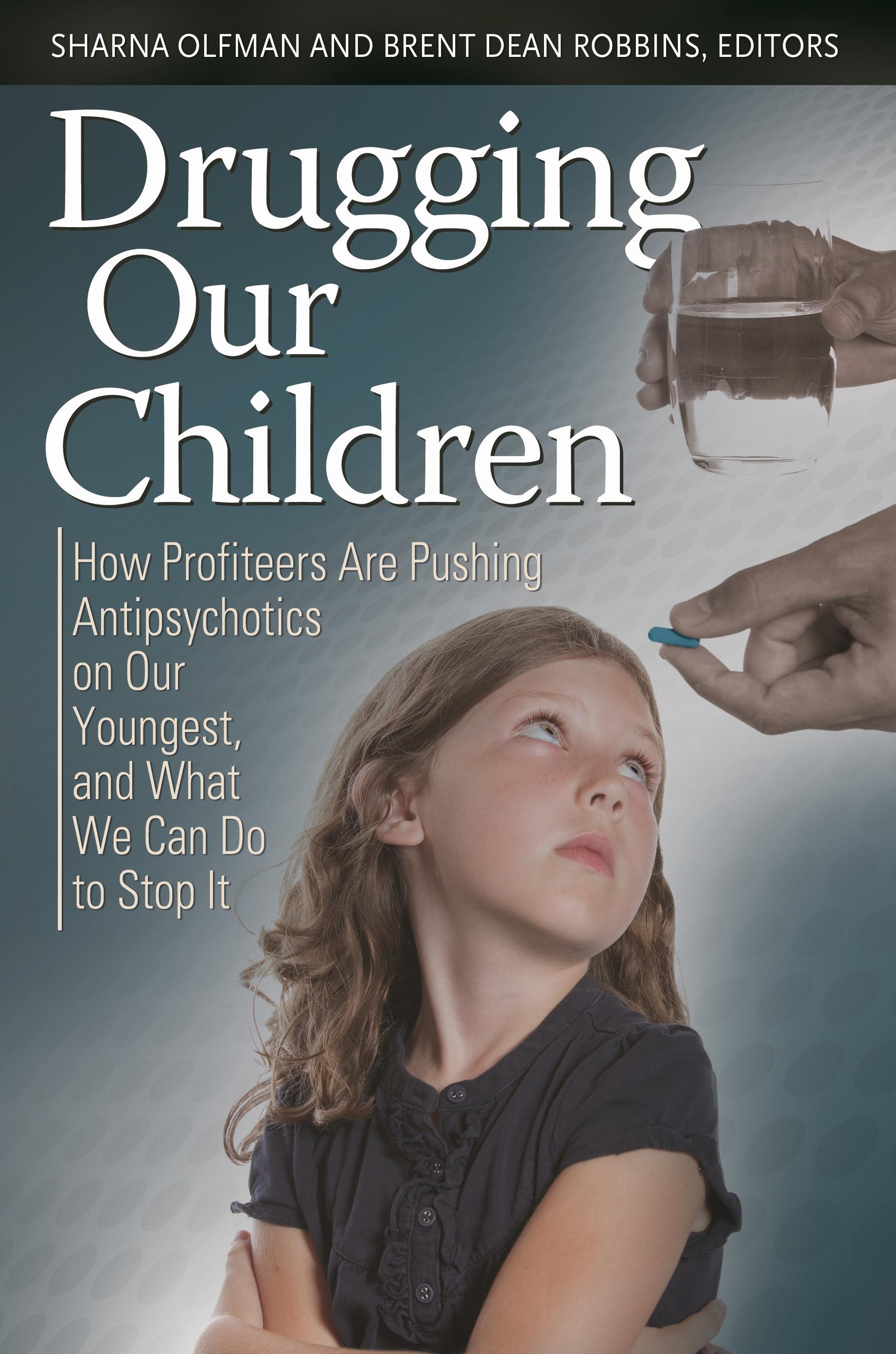
This book exposes the skyrocketing rate of antipsychotic drug prescriptions for children, identifies grave dangers when children's mental health care is driven by market forces, describes effective therapeutic care for children typically prescribed antipsychotics, and explains how to navigate a drug-fueled mental health system.
Since 2001, there has been a dramatic increase in the use of antipsychotics to treat children for an ever-expanding list of symptoms. The prescription rate for toddlers, preschoolers, and middle-class children has doubled, while the prescribing rate for low-income children covered by Medicaid has quadrupled. In a majority of cases, these drugs are neither FDA-approved nor justified by research for the children's conditions.
This book examines the reasons behind the explosion of antipsychotic drug prescriptions for children, spotlighting the historical and cultural factors as well as the role of the pharmaceutical industry in this trend; and discusses the ethical and legal responsibilities and ramifications for non-MDs—psychologists in particular—who work with children treated with antipsychotics.
Contributors explain how the pharmaceutical industry has inserted itself into every step of medical education, rendering objectivity in the scientific understanding, use, and approvals of such drugs impossible. The text describes the relentless marketing behind the drug sales, even going as far as to provide coloring and picture books for children related to the drug at issue. Valuable information about legal recourse that families and therapists can take when their children or patients have been harmed by antipsychotic drugs and alternative approaches to working with children with emotional and behavioral challenges is also provided.
Since 2001, there has been a dramatic increase in the use of antipsychotics to treat children for an ever-expanding list of symptoms. The prescription rate for toddlers, preschoolers, and middle-class children has doubled, while the prescribing rate for low-income children covered by Medicaid has quadrupled. In a majority of cases, these drugs are neither FDA-approved nor justified by research for the children's conditions.
This book examines the reasons behind the explosion of antipsychotic drug prescriptions for children, spotlighting the historical and cultural factors as well as the role of the pharmaceutical industry in this trend; and discusses the ethical and legal responsibilities and ramifications for non-MDs—psychologists in particular—who work with children treated with antipsychotics.
Contributors explain how the pharmaceutical industry has inserted itself into every step of medical education, rendering objectivity in the scientific understanding, use, and approvals of such drugs impossible. The text describes the relentless marketing behind the drug sales, even going as far as to provide coloring and picture books for children related to the drug at issue. Valuable information about legal recourse that families and therapists can take when their children or patients have been harmed by antipsychotic drugs and alternative approaches to working with children with emotional and behavioral challenges is also provided.
Payez facilement par carte, Klarna, Apple Pay ou Google Pay. Pas satisfait ? Vous avez toujours une garantie de remboursement de 14 jours. En savoir plus dans nos conditions. Si vous avez des questions, envoyez-nous un e-mail à hello@memmo.org.
Memmo facilite tes études, où que tu sois dans le monde. On rassemble tes manuels de cours et des outils d'étude intelligents au même endroit : résumés, quiz, podcasts et flashcards. Et il y a Ted, ton compagnon d'étude qui répond à toutes tes questions. Plus de 50 000 étudiants étudient déjà ici – conçu pour t'aider à apprendre plus vite et à moins stresser.