
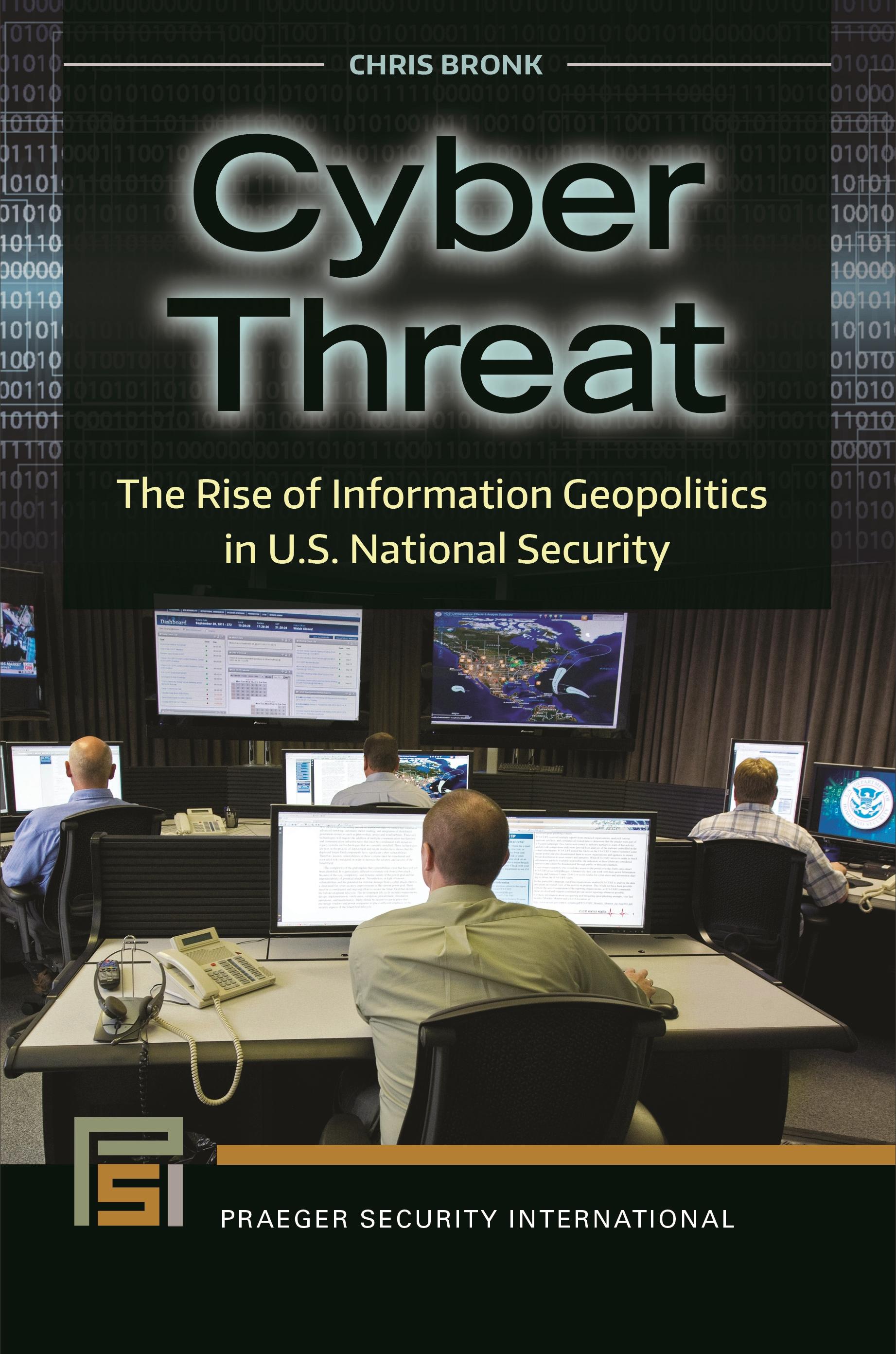
This book presents a holistic view of the geopolitics of cyberspace that have arisen over the past decade, utilizing recent events to explain the international security dimension of cyber threat and vulnerability, and to document the challenges of controlling information resources and protecting computer systems.
How are the evolving cases of cyber attack and breach as well as the actions of government and corporations shaping how cyberspace is governed? What object lessons are there in security cases such as those involving Wikileaks and the Snowden affair? An essential read for practitioners, scholars, and students of international affairs and security, this book examines the widely pervasive and enormously effective nature of cyber threats today, explaining why cyber attacks happen, how they matter, and how they may be managed.
The book addresses a chronology of events starting in 2005 to comprehensively explain the international security dimension of cyber threat and vulnerability. It begins with an explanation of contemporary information technology, including the economics of contemporary cloud, mobile, and control systems software as well as how computing and networking—principally the Internet—are interwoven in the concept of cyberspace. Author Chris Bronk, PhD, then documents the national struggles with controlling information resources and protecting computer systems. The book considers major security cases such as Wikileaks, Stuxnet, the cyber attack on Estonia, Shamoon, and the recent exploits of the Syrian Electronic Army. Readers will understand how cyber security in the 21st century is far more than a military or defense issue, but is a critical matter of international law, diplomacy, commerce, and civil society as well.
How are the evolving cases of cyber attack and breach as well as the actions of government and corporations shaping how cyberspace is governed? What object lessons are there in security cases such as those involving Wikileaks and the Snowden affair? An essential read for practitioners, scholars, and students of international affairs and security, this book examines the widely pervasive and enormously effective nature of cyber threats today, explaining why cyber attacks happen, how they matter, and how they may be managed.
The book addresses a chronology of events starting in 2005 to comprehensively explain the international security dimension of cyber threat and vulnerability. It begins with an explanation of contemporary information technology, including the economics of contemporary cloud, mobile, and control systems software as well as how computing and networking—principally the Internet—are interwoven in the concept of cyberspace. Author Chris Bronk, PhD, then documents the national struggles with controlling information resources and protecting computer systems. The book considers major security cases such as Wikileaks, Stuxnet, the cyber attack on Estonia, Shamoon, and the recent exploits of the Syrian Electronic Army. Readers will understand how cyber security in the 21st century is far more than a military or defense issue, but is a critical matter of international law, diplomacy, commerce, and civil society as well.
Payez facilement par carte, Klarna, Apple Pay ou Google Pay. Pas satisfait ? Vous avez toujours une garantie de remboursement de 14 jours. En savoir plus dans nos conditions. Si vous avez des questions, envoyez-nous un e-mail à hello@memmo.org.
Memmo facilite tes études, où que tu sois dans le monde. On rassemble tes manuels de cours et des outils d'étude intelligents au même endroit : résumés, quiz, podcasts et flashcards. Et il y a Ted, ton compagnon d'étude qui répond à toutes tes questions. Plus de 50 000 étudiants étudient déjà ici – conçu pour t'aider à apprendre plus vite et à moins stresser.