
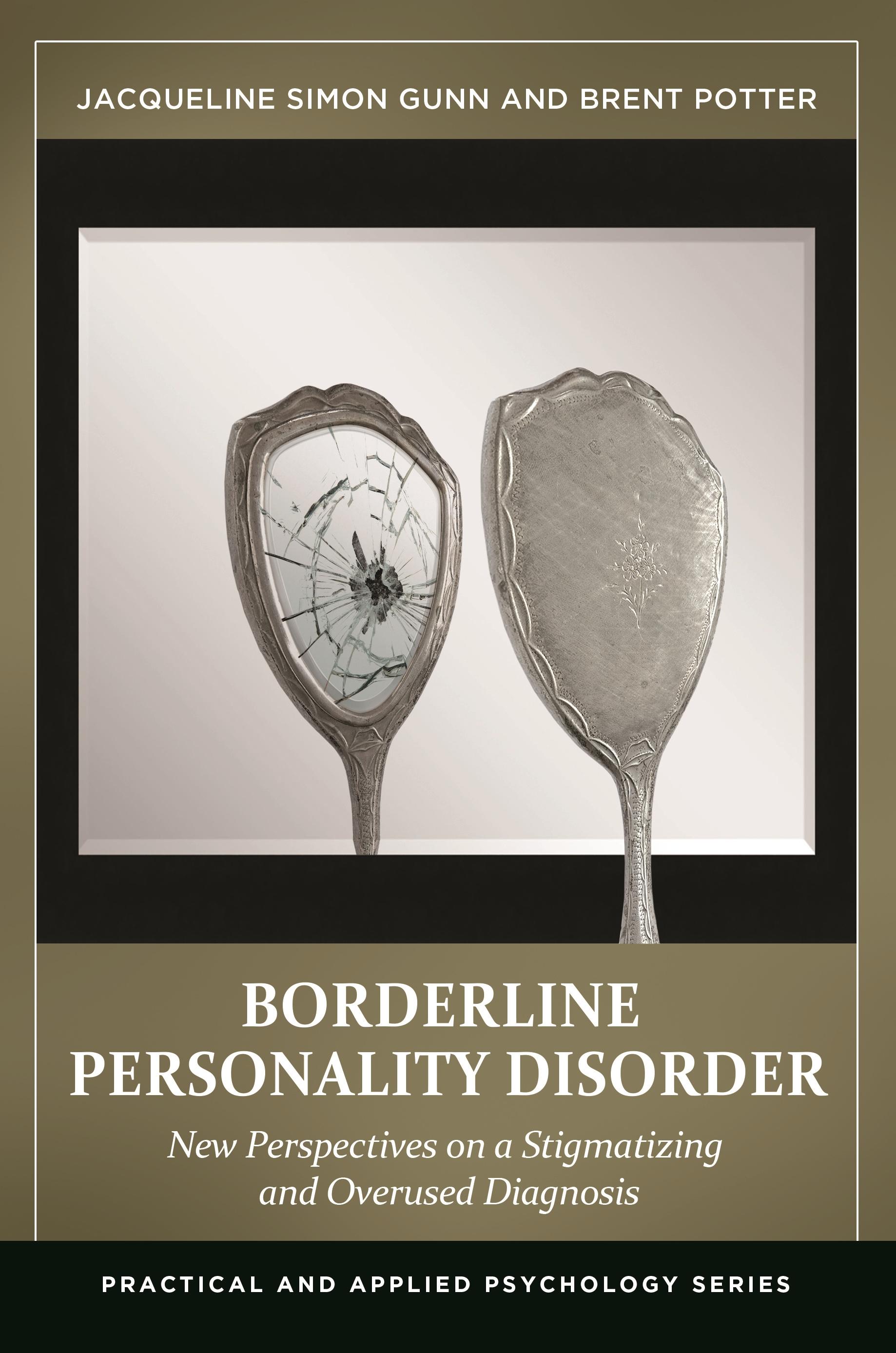
This book is an ideal resource for general readers who want a clear understanding of people suffering with chaotic emotions, and for clinicians treating patients for Borderline Personality Disorder (BPD).
The patterns of behavior of those with borderline personality disorder (BPD) are often frustrating and mystifying to both clinicians and family members, despite several decades of study and research on this form of distress. Borderline Personality Disorder: New Perspectives on a Stigmatizing and Overused Diagnosis presents a thorough critical and historical review of the diagnosis of BPD and explores—through academic and clinical narratives—the different processes that occur in borderline behavior patterns.
The authors offer new perspectives that emphasize the whole person rather than a diagnosis, addressing the emotional storms and mood instability of BPD, providing guidance on managing emotional chaos in the therapeutic relationship, and explaining how to use one's own feelings as a clinical tool. Their approach gives an intimate experiential feel for the interpersonal processes that occur in psychotherapy for both the patient and therapist. The result: readers will better understand who the person behind the diagnosis is, and comprehend what it really feels like to be someone struggling with these difficult interpersonal patterns.
The patterns of behavior of those with borderline personality disorder (BPD) are often frustrating and mystifying to both clinicians and family members, despite several decades of study and research on this form of distress. Borderline Personality Disorder: New Perspectives on a Stigmatizing and Overused Diagnosis presents a thorough critical and historical review of the diagnosis of BPD and explores—through academic and clinical narratives—the different processes that occur in borderline behavior patterns.
The authors offer new perspectives that emphasize the whole person rather than a diagnosis, addressing the emotional storms and mood instability of BPD, providing guidance on managing emotional chaos in the therapeutic relationship, and explaining how to use one's own feelings as a clinical tool. Their approach gives an intimate experiential feel for the interpersonal processes that occur in psychotherapy for both the patient and therapist. The result: readers will better understand who the person behind the diagnosis is, and comprehend what it really feels like to be someone struggling with these difficult interpersonal patterns.
Payez facilement par carte, Klarna, Apple Pay ou Google Pay. Pas satisfait ? Vous avez toujours une garantie de remboursement de 14 jours. En savoir plus dans nos conditions. Si vous avez des questions, envoyez-nous un e-mail à hello@memmo.org.
Memmo facilite tes études, où que tu sois dans le monde. On rassemble tes manuels de cours et des outils d'étude intelligents au même endroit : résumés, quiz, podcasts et flashcards. Et il y a Ted, ton compagnon d'étude qui répond à toutes tes questions. Plus de 50 000 étudiants étudient déjà ici – conçu pour t'aider à apprendre plus vite et à moins stresser.