
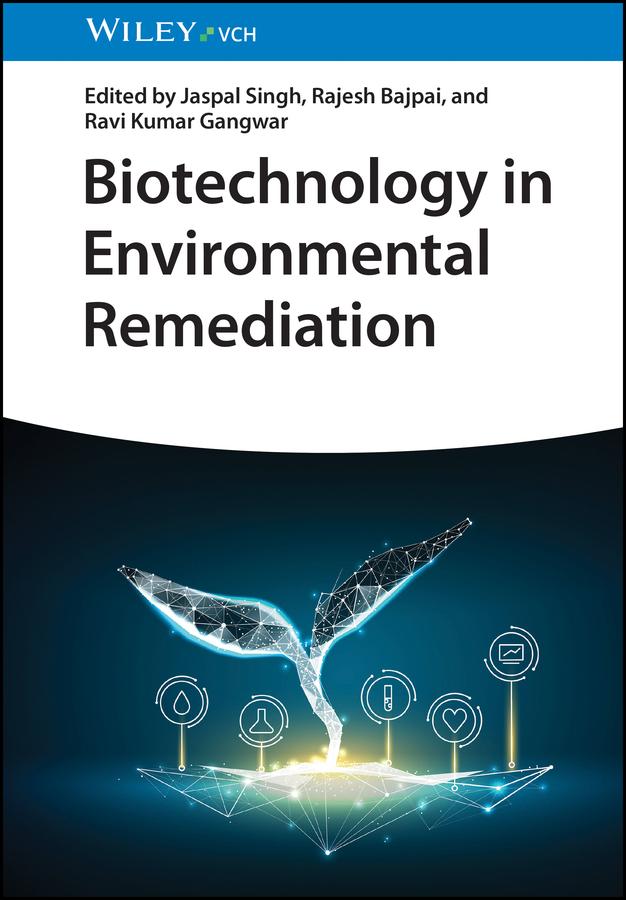
A timely overview of techniques for involving biological organisms in the remediation of polluted ecosystems
As a result of worldwide industry, urbanization, and population growth, many harmful organic and inorganic pollutants have been introduced into the environment. With bioremediation, we can use fungi, bacteria, and plants—along with their secondary metabolites—to clean up areas that have been affected by industrial and commercial activities. Biotechnology in Environmental Remediation presents a thorough consideration of the most important biologically-based remediation methods in use today.
Environmental biotechnology is a more sustainable alternative to chemical and mechanical remediation methods, which explains the rapidly growing popularity of these techniques. This edited volume summarizes our current understanding of bioremediation approaches and presents research outcomes from a diverse selection of geographies and ecosystems. Chapters cover remediation techniques for pollutants affecting soil, water, air, and sediments, as well as tools for addressing these issues, including tools for assessment and monitoring.
Uniquely, Biotechnology in Environmental Remediation emphasizes the latest findings on the use of secondary metabolites in bioremediation. Other topics covered include chemical sustainability, nanotechnology, and biofuels. Readers will gain an understanding of issues including:
- How biological organisms and their secondary metabolites are currently being used in environmental remediation projects worldwide
- New applications for phytomolecules, lichens, nanoparticles, rhizobacteria, and other technologies, as well as future directions for bioremediation
- The steps in the process of biotechnology-driven remediation, including detection, investigation, assessment, cleanup, redevelopment, and monitoring
- Remediation of petroleum hydrocarbons, algal carbon sequestration, wastewater management, and the role of fatty acid and proteins in remediation
The investigations in this book provide important knowledge for researchers in biotechnology, ecology, environmental science, and related disciplines. Additionally, policymakers and NGOs with an interest in remediating environmental contaminants will gain valuable context. Biotechnology in Environmental Remediation is a foundation for future research on biotechnological interventions for a clean planet.
Payez facilement par carte, Klarna, Apple Pay ou Google Pay. Pas satisfait ? Vous avez toujours une garantie de remboursement de 14 jours. En savoir plus dans nos conditions. Si vous avez des questions, envoyez-nous un e-mail à hello@memmo.org.
Memmo facilite tes études, où que tu sois dans le monde. On rassemble tes manuels de cours et des outils d'étude intelligents au même endroit : résumés, quiz, podcasts et flashcards. Et il y a Ted, ton compagnon d'étude qui répond à toutes tes questions. Plus de 50 000 étudiants étudient déjà ici – conçu pour t'aider à apprendre plus vite et à moins stresser.