
Bridges the gap between the chemistry of small molecule neuromodulators and the complex pattern of neurodegenerative disorders
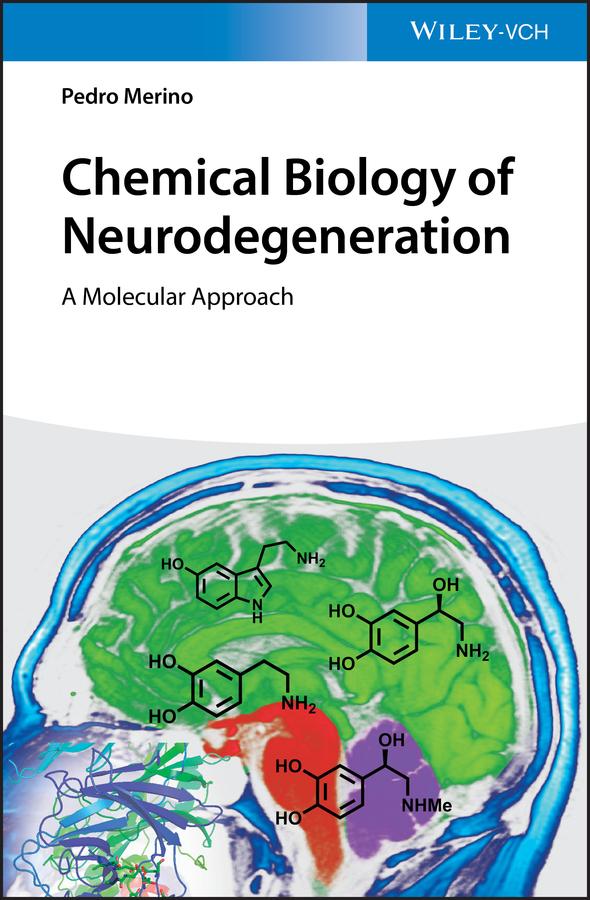
Written by an experienced neurochemist, this book focuses on the main actors involved in neurodegenerative disorders at a molecular level, and places special emphasis on structural aspects and modes of action. Drawing on recent data on enzyme structure, mode of action, and inhibitor design, it describes?from a biochemical point of view?the six most important neurotransmitter systems and their constituent enzymes and receptors. Misfolding and aggregation of proteins within the brain is also covered. In addition, the book surveys a wide range of proven and prospective therapeutic agents that modulate key processes in the brain, from their chemical synthesis to their mode of action in model systems as well as in the patient.
Chemical Biology of Neurodegeneration: A Molecular Approach is presented in two parts. The first introduces the neurotransmitter systems and provides a general explanation of the synapse and a description of the main structures involved in neurotransmission that can be considered therapeutic targets for disorders of the central nervous system. The second part presents molecular and chemical aspects directly involved or affected in neurodegeneration, including the metabolism of neurotransmitters, enzymes processing neurotransmitters, protein misfolding, and therapeutic agents.
-Uses an interdisciplinary approach to bridge the gap between the basic biochemical events in a nerve cell and their neurological effects on the brain
-Places emphasis on the chemistry of small molecule modulators that are potential lead molecules for new drugs
-Covers six key neurotransmitter systems and their enzymes and receptors?dopaminergic, noradrenergic, serotonergic, cholinergic, GABAergic, and glutamatergic
Chemical Biology of Neurodegeneration: A Molecular Approach is a key resource for medicinal chemists, neurobiologists, neurochemists, biochemists, molecular biologists, and neurophysiologists.
Written by an experienced neurochemist, this book focuses on the main actors involved in neurodegenerative disorders at a molecular level, and places special emphasis on structural aspects and modes of action. Drawing on recent data on enzyme structure, mode of action, and inhibitor design, it describes?from a biochemical point of view?the six most important neurotransmitter systems and their constituent enzymes and receptors. Misfolding and aggregation of proteins within the brain is also covered. In addition, the book surveys a wide range of proven and prospective therapeutic agents that modulate key processes in the brain, from their chemical synthesis to their mode of action in model systems as well as in the patient.
Chemical Biology of Neurodegeneration: A Molecular Approach is presented in two parts. The first introduces the neurotransmitter systems and provides a general explanation of the synapse and a description of the main structures involved in neurotransmission that can be considered therapeutic targets for disorders of the central nervous system. The second part presents molecular and chemical aspects directly involved or affected in neurodegeneration, including the metabolism of neurotransmitters, enzymes processing neurotransmitters, protein misfolding, and therapeutic agents.
-Uses an interdisciplinary approach to bridge the gap between the basic biochemical events in a nerve cell and their neurological effects on the brain
-Places emphasis on the chemistry of small molecule modulators that are potential lead molecules for new drugs
-Covers six key neurotransmitter systems and their enzymes and receptors?dopaminergic, noradrenergic, serotonergic, cholinergic, GABAergic, and glutamatergic
Chemical Biology of Neurodegeneration: A Molecular Approach is a key resource for medicinal chemists, neurobiologists, neurochemists, biochemists, molecular biologists, and neurophysiologists.
Payez facilement par carte, Klarna, Apple Pay ou Google Pay. Pas satisfait ? Vous avez toujours une garantie de remboursement de 14 jours. En savoir plus dans nos conditions. Si vous avez des questions, envoyez-nous un e-mail à hello@memmo.org.
Memmo facilite tes études, où que tu sois dans le monde. On rassemble tes manuels de cours et des outils d'étude intelligents au même endroit : résumés, quiz, podcasts et flashcards. Et il y a Ted, ton compagnon d'étude qui répond à toutes tes questions. Plus de 50 000 étudiants étudient déjà ici – conçu pour t'aider à apprendre plus vite et à moins stresser.