
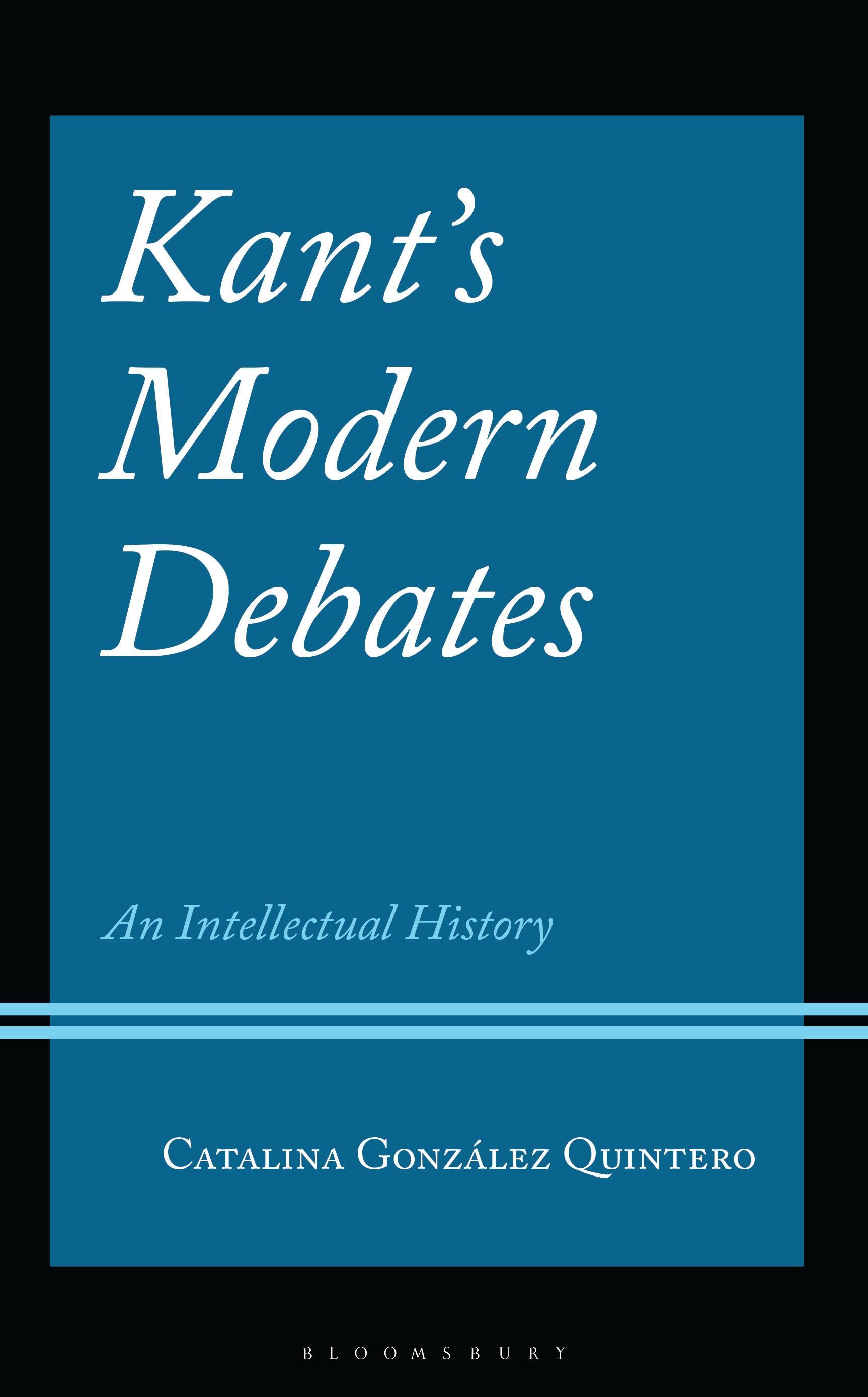
Resituating Kant's work within the Western modern historical tradition provides insight into the originality of his views against the background of pervasive intellectual discussions in the 18th century.
Catalina González embeds essential aspects of Kant's epistemology, metaphysics, morals, and aesthetics into philosophical debates and discussions that, although central to modernity, have not been sufficiently explored by Kantian scholarship. These contexts include disputes between skeptics and anti-skeptics, debates over deism and natural theology, controversies about animal minds, discussions on the foundations of morality, and aesthetic conversations regarding the sublime.
The book's historical perspective is further supplied by a set of methodological reflections drawn from the heterogeneous field of studies of “intellectual history.” It intertwines insights from the Cambridge School of Political Thought or the German Begriffsfgeschichte, and from a wide variety of historians of philosophy, with the analysis of Kant's texts and Kantian scholarship to provide a novel and rigorous account of the historical formation of specific aspects of Kant's thought.
Catalina González embeds essential aspects of Kant's epistemology, metaphysics, morals, and aesthetics into philosophical debates and discussions that, although central to modernity, have not been sufficiently explored by Kantian scholarship. These contexts include disputes between skeptics and anti-skeptics, debates over deism and natural theology, controversies about animal minds, discussions on the foundations of morality, and aesthetic conversations regarding the sublime.
The book's historical perspective is further supplied by a set of methodological reflections drawn from the heterogeneous field of studies of “intellectual history.” It intertwines insights from the Cambridge School of Political Thought or the German Begriffsfgeschichte, and from a wide variety of historians of philosophy, with the analysis of Kant's texts and Kantian scholarship to provide a novel and rigorous account of the historical formation of specific aspects of Kant's thought.
Payez facilement par carte, Klarna, Apple Pay ou Google Pay. Pas satisfait ? Vous avez toujours une garantie de remboursement de 14 jours. En savoir plus dans nos conditions. Si vous avez des questions, envoyez-nous un e-mail à hello@memmo.org.
Memmo facilite tes études, où que tu sois dans le monde. On rassemble tes manuels de cours et des outils d'étude intelligents au même endroit : résumés, quiz, podcasts et flashcards. Et il y a Ted, ton compagnon d'étude qui répond à toutes tes questions. Plus de 50 000 étudiants étudient déjà ici – conçu pour t'aider à apprendre plus vite et à moins stresser.