
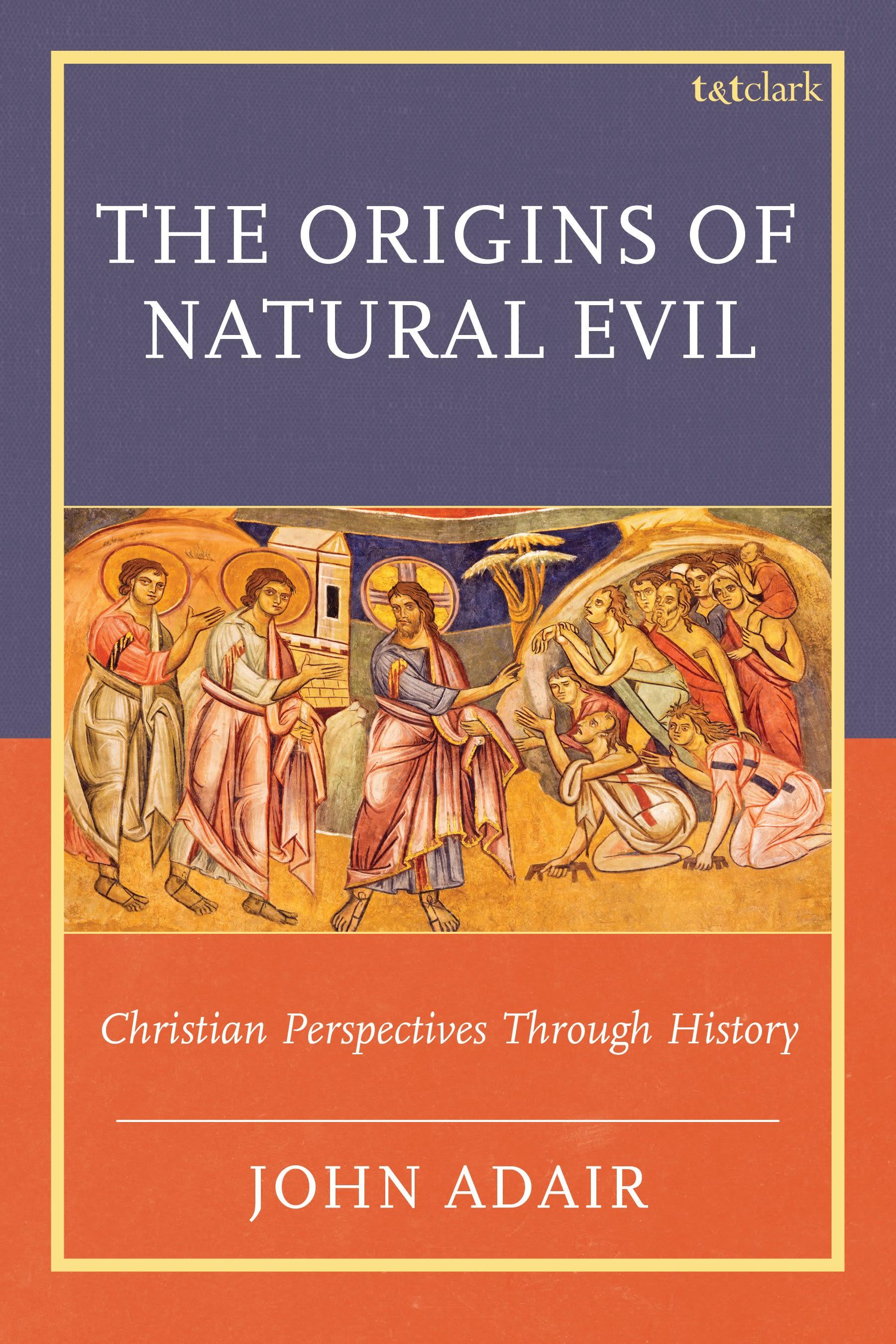
This book presents a historical overview of how Christians have described and negotiated the causes of natural evil.
Within the context of his study, John Adair defines natural evil as evils that are not an obvious, direct result of moral compromise initiated by the free choice of a moral agent, but rather stem from nature itself-e.g., natural disasters, illness, or loss of life. While historical Christian communities' justifications for and responses to natural evil has evolved over time, Adair traces how Christian theodicy rests on a firm commitment to God's goodness. Across seven chapters, this book narrates this evolution of thought, focusing on key figures in history who illustrate the theological continuity around God's goodness. In doing so, Adair builds a theological conversation, prompting readers to consider the collective weight of this historic response to questions of natural evil and query how a response which affirms God's goodness might impact our own reactions to questions of God's relation to the horrors of our daily lives.
Within the context of his study, John Adair defines natural evil as evils that are not an obvious, direct result of moral compromise initiated by the free choice of a moral agent, but rather stem from nature itself-e.g., natural disasters, illness, or loss of life. While historical Christian communities' justifications for and responses to natural evil has evolved over time, Adair traces how Christian theodicy rests on a firm commitment to God's goodness. Across seven chapters, this book narrates this evolution of thought, focusing on key figures in history who illustrate the theological continuity around God's goodness. In doing so, Adair builds a theological conversation, prompting readers to consider the collective weight of this historic response to questions of natural evil and query how a response which affirms God's goodness might impact our own reactions to questions of God's relation to the horrors of our daily lives.
Payez facilement par carte, Klarna, Apple Pay ou Google Pay. Pas satisfait ? Vous avez toujours une garantie de remboursement de 14 jours. En savoir plus dans nos conditions. Si vous avez des questions, envoyez-nous un e-mail à hello@memmo.org.
Memmo facilite tes études, où que tu sois dans le monde. On rassemble tes manuels de cours et des outils d'étude intelligents au même endroit : résumés, quiz, podcasts et flashcards. Et il y a Ted, ton compagnon d'étude qui répond à toutes tes questions. Plus de 50 000 étudiants étudient déjà ici – conçu pour t'aider à apprendre plus vite et à moins stresser.