
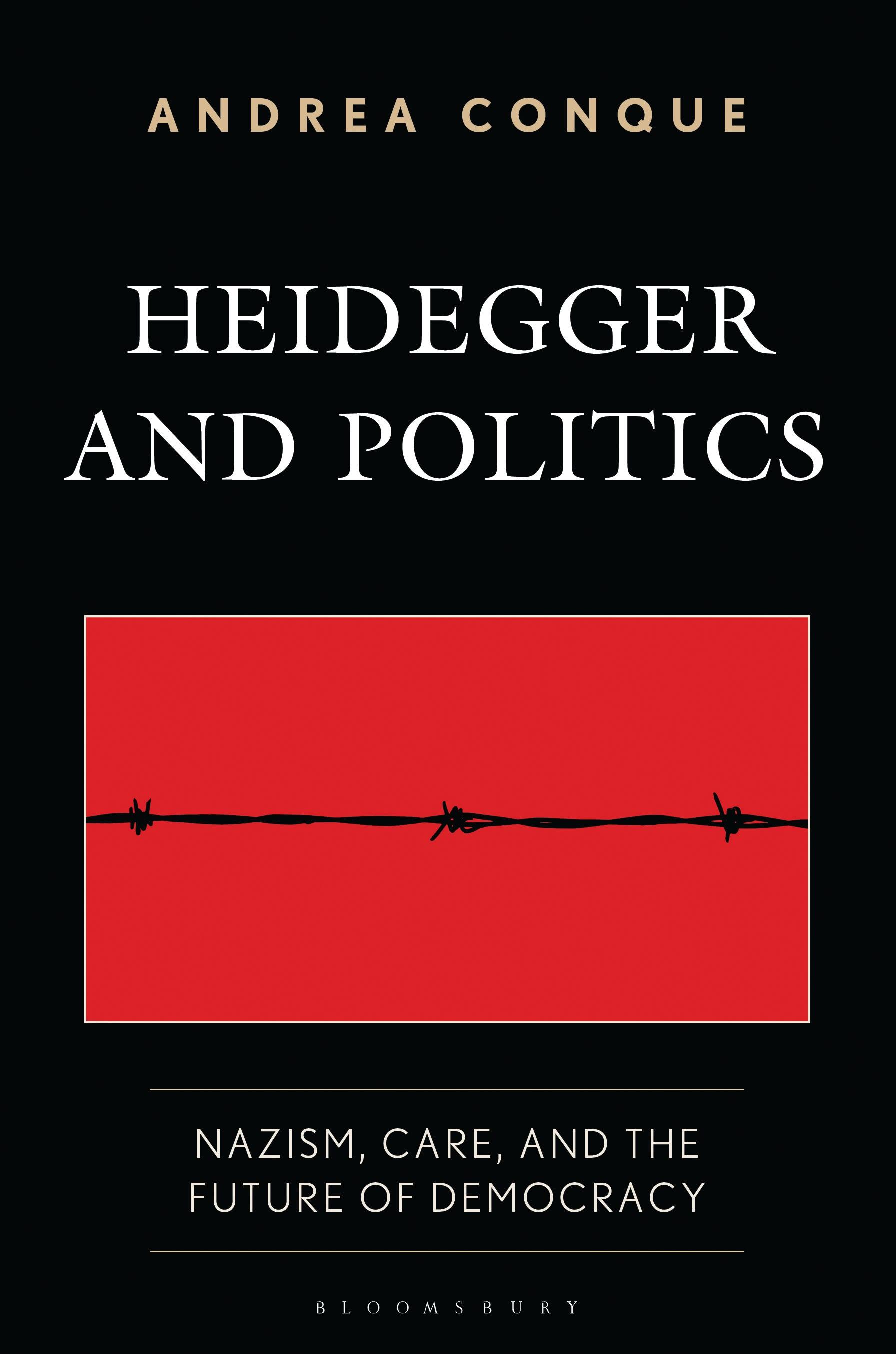
One of the most influential philosophers of the twentieth century, Martin Heidegger is also notorious for having taken a political and philosophical path that led to Nazism, support for a Führer state, and an agonal attitude toward space and place in politics. Yet, there was another path open to him – one found in the pages of Heidegger's master work, Being and Time (1927). This alternate path is based on the structures of care that are not only readily apparent in Being and Time, but prove essential to forging a better understanding of democracy and of political community. Heidegger and Politics: Nazism, Care, and the Future of Democracy begins by tracing the politico-philosophical path Heidegger actually took, then turns to shaping a robust vision of a 'politics of care' from key elements in Being and Time presenting it as a way to resist the 'politics of contempt.'
Payez facilement par carte, Klarna, Apple Pay ou Google Pay. Pas satisfait ? Vous avez toujours une garantie de remboursement de 14 jours. En savoir plus dans nos conditions. Si vous avez des questions, envoyez-nous un e-mail à hello@memmo.org.
Memmo facilite tes études, où que tu sois dans le monde. On rassemble tes manuels de cours et des outils d'étude intelligents au même endroit : résumés, quiz, podcasts et flashcards. Et il y a Ted, ton compagnon d'étude qui répond à toutes tes questions. Plus de 50 000 étudiants étudient déjà ici – conçu pour t'aider à apprendre plus vite et à moins stresser.