
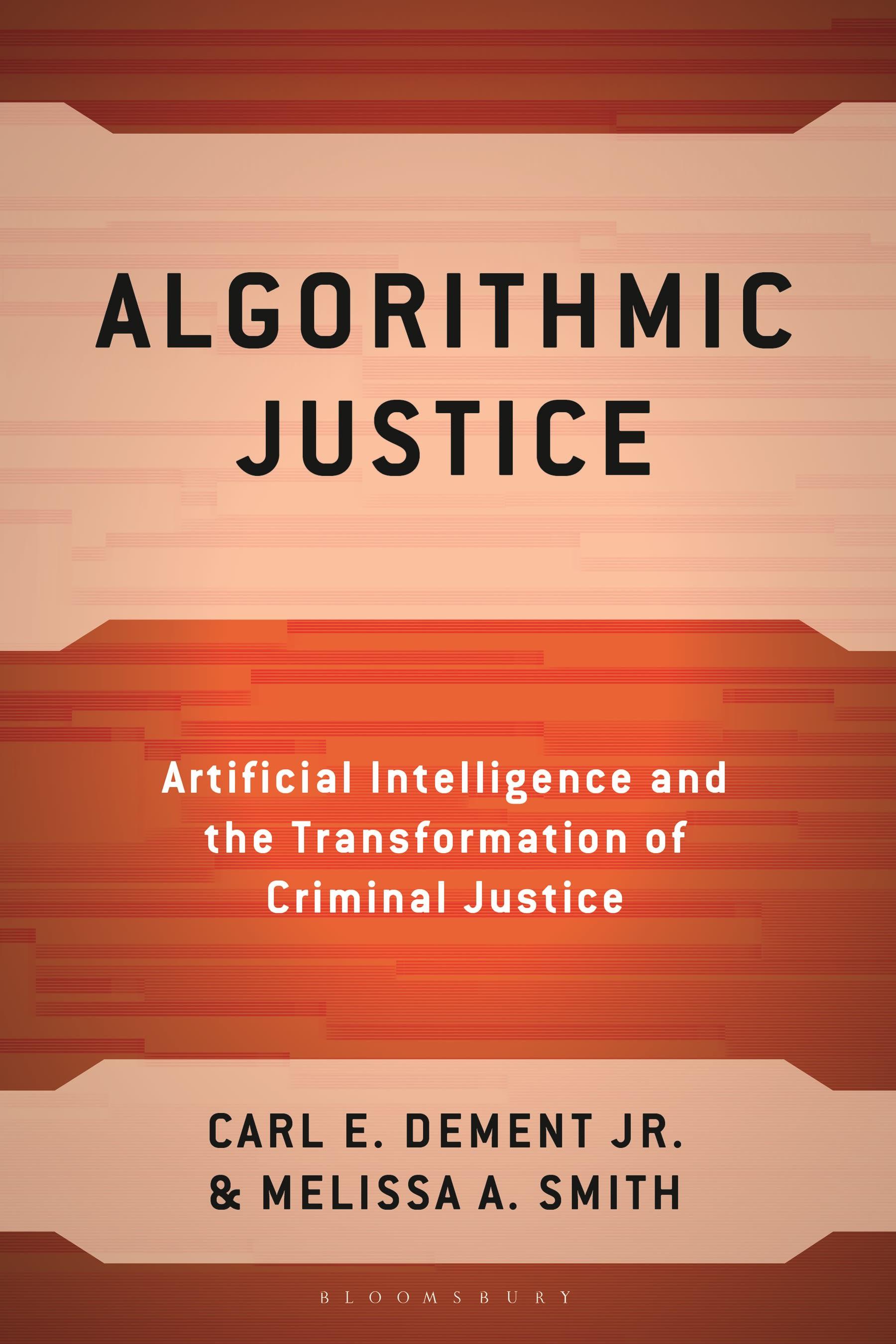
While AI-assisted tools promise greater efficiency, consistency, and accuracy in criminal justice, they also introduce ethical, procedural, and epistemological challenges demanding careful oversight.
Carl E. Dement Jr. and Melissa A. Smith investigate the rapidly evolving relationship between artificial intelligence and the written narratives that shape the criminal justice process. Drawing on original interviews with judges, prosecutors, defense attorneys, law enforcement officers, and forensic specialists, they examine how large language models are transforming the way case narratives are drafted, reviewed, and interpreted. Situating these shifts within wider debates about trust, human judgment, and the role of technology in public service, the book blends empirical insight with careful analysis, offering a balanced, accessible framework for understanding both the promise and the risks of AI-assisted writing in criminal justice settings. Dement and Smith ultimately show that the integrity of future justice narratives will depend not on AI alone, but on thoughtful human–AI collaboration grounded in expertise, ethics, and accountability-reminding readers that how and who writes justice shapes how we deliver it.
Carl E. Dement Jr. and Melissa A. Smith investigate the rapidly evolving relationship between artificial intelligence and the written narratives that shape the criminal justice process. Drawing on original interviews with judges, prosecutors, defense attorneys, law enforcement officers, and forensic specialists, they examine how large language models are transforming the way case narratives are drafted, reviewed, and interpreted. Situating these shifts within wider debates about trust, human judgment, and the role of technology in public service, the book blends empirical insight with careful analysis, offering a balanced, accessible framework for understanding both the promise and the risks of AI-assisted writing in criminal justice settings. Dement and Smith ultimately show that the integrity of future justice narratives will depend not on AI alone, but on thoughtful human–AI collaboration grounded in expertise, ethics, and accountability-reminding readers that how and who writes justice shapes how we deliver it.
Pages: 176
Catégorie: Kriminologi
e-ISBN: 9781978767164
Poids d'expédition: 1.2 kg
Expédié sous: 1-2 jours
Payez facilement par carte, Klarna, Apple Pay ou Google Pay. Pas satisfait ? Vous avez toujours une garantie de remboursement de 14 jours. En savoir plus dans nos conditions. Si vous avez des questions, envoyez-nous un e-mail à hello@memmo.org.
Memmo facilite tes études, où que tu sois dans le monde. On rassemble tes manuels de cours et des outils d'étude intelligents au même endroit : résumés, quiz, podcasts et flashcards. Et il y a Ted, ton compagnon d'étude qui répond à toutes tes questions. Plus de 50 000 étudiants étudient déjà ici – conçu pour t'aider à apprendre plus vite et à moins stresser.