
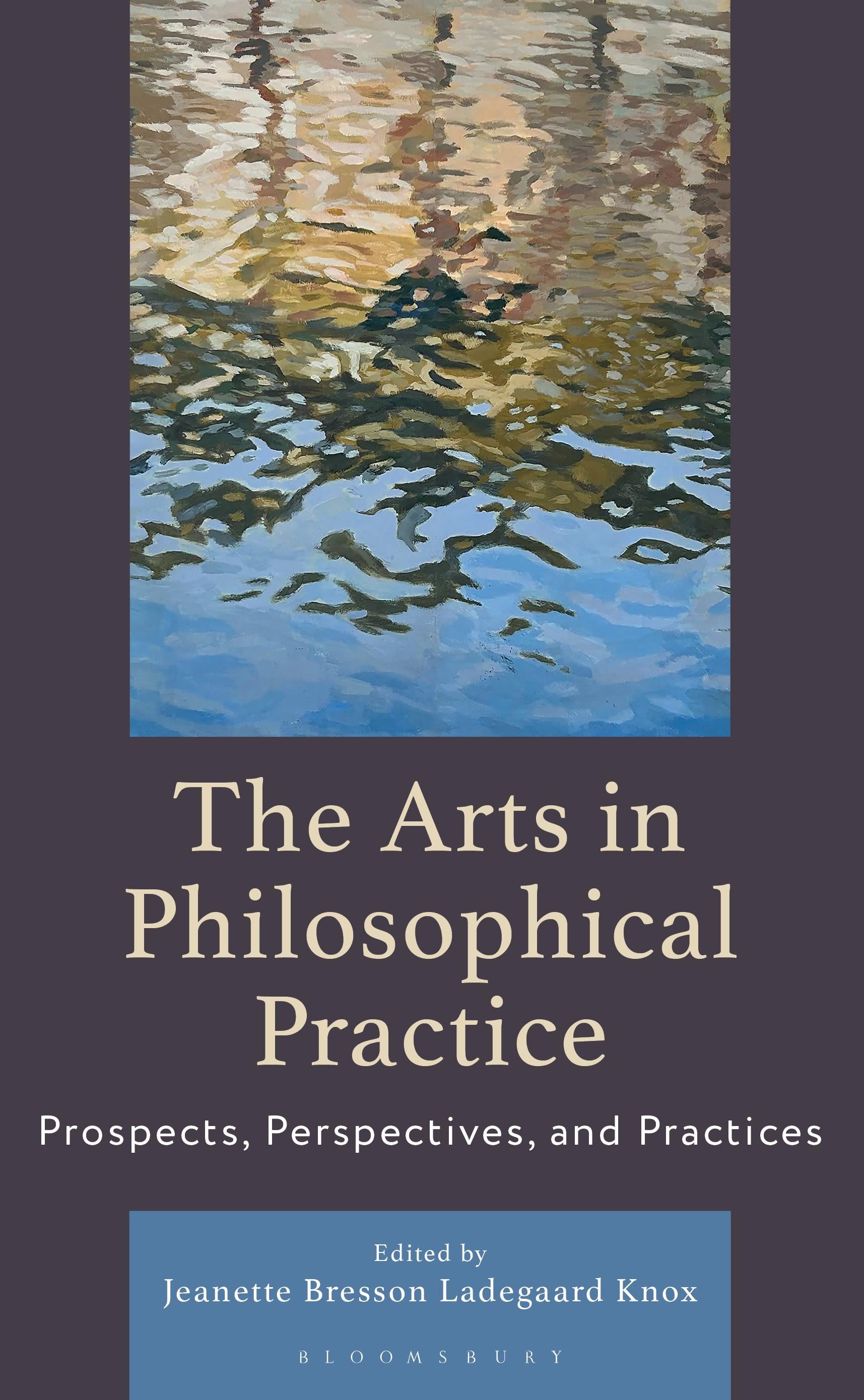
How can the arts enrich philosophical practice and help us better investigate the complexities of human existence?
This interdisciplinary edited collection delves into the interplay between philosophy and the arts, showcasing how their combination can inspire new ways of thinking, connecting, reflecting, imagining, and understanding. By discussing ways in which art forms-literature, music, drama, visual arts, and more-and arts-based methods can be integrated into philosophical practice, the book reveals how abstract ideas can be made tangible, and dense philosophical concepts can be expressed in accessible and profound ways.
In the continual process of human self-examination, the arts have played and still play an important role as reflective, embodied practices in what it means to lead a human life, what it means to be a human being, and how humans relate to each other. Though the arts can be a mere distraction, they can equally engage the human mind and body in pondering the existential paradoxes and puzzles of being. The arts and philosophy share a mutual aim: to question life's fundamental aspects without proposing final answers, embracing creativity, openness, and exploration.
From discussing values and virtues to addressing human vulnerabilities, this book, edited by Jeanette Bresson Ladegaard Knox, illustrates how philosophical practice becomes vibrant and impactful when it engages with the emotional and sensory world of the arts. Through theoretical insights, practical applications, and creative interventions, it illuminates how the arts and philosophy can jointly enhance professional fields and contribute to the art of living.
This interdisciplinary edited collection delves into the interplay between philosophy and the arts, showcasing how their combination can inspire new ways of thinking, connecting, reflecting, imagining, and understanding. By discussing ways in which art forms-literature, music, drama, visual arts, and more-and arts-based methods can be integrated into philosophical practice, the book reveals how abstract ideas can be made tangible, and dense philosophical concepts can be expressed in accessible and profound ways.
In the continual process of human self-examination, the arts have played and still play an important role as reflective, embodied practices in what it means to lead a human life, what it means to be a human being, and how humans relate to each other. Though the arts can be a mere distraction, they can equally engage the human mind and body in pondering the existential paradoxes and puzzles of being. The arts and philosophy share a mutual aim: to question life's fundamental aspects without proposing final answers, embracing creativity, openness, and exploration.
From discussing values and virtues to addressing human vulnerabilities, this book, edited by Jeanette Bresson Ladegaard Knox, illustrates how philosophical practice becomes vibrant and impactful when it engages with the emotional and sensory world of the arts. Through theoretical insights, practical applications, and creative interventions, it illuminates how the arts and philosophy can jointly enhance professional fields and contribute to the art of living.
Payez facilement par carte, Klarna, Apple Pay ou Google Pay. Pas satisfait ? Vous avez toujours une garantie de remboursement de 14 jours. En savoir plus dans nos conditions. Si vous avez des questions, envoyez-nous un e-mail à hello@memmo.org.
Memmo facilite tes études, où que tu sois dans le monde. On rassemble tes manuels de cours et des outils d'étude intelligents au même endroit : résumés, quiz, podcasts et flashcards. Et il y a Ted, ton compagnon d'étude qui répond à toutes tes questions. Plus de 50 000 étudiants étudient déjà ici – conçu pour t'aider à apprendre plus vite et à moins stresser.