
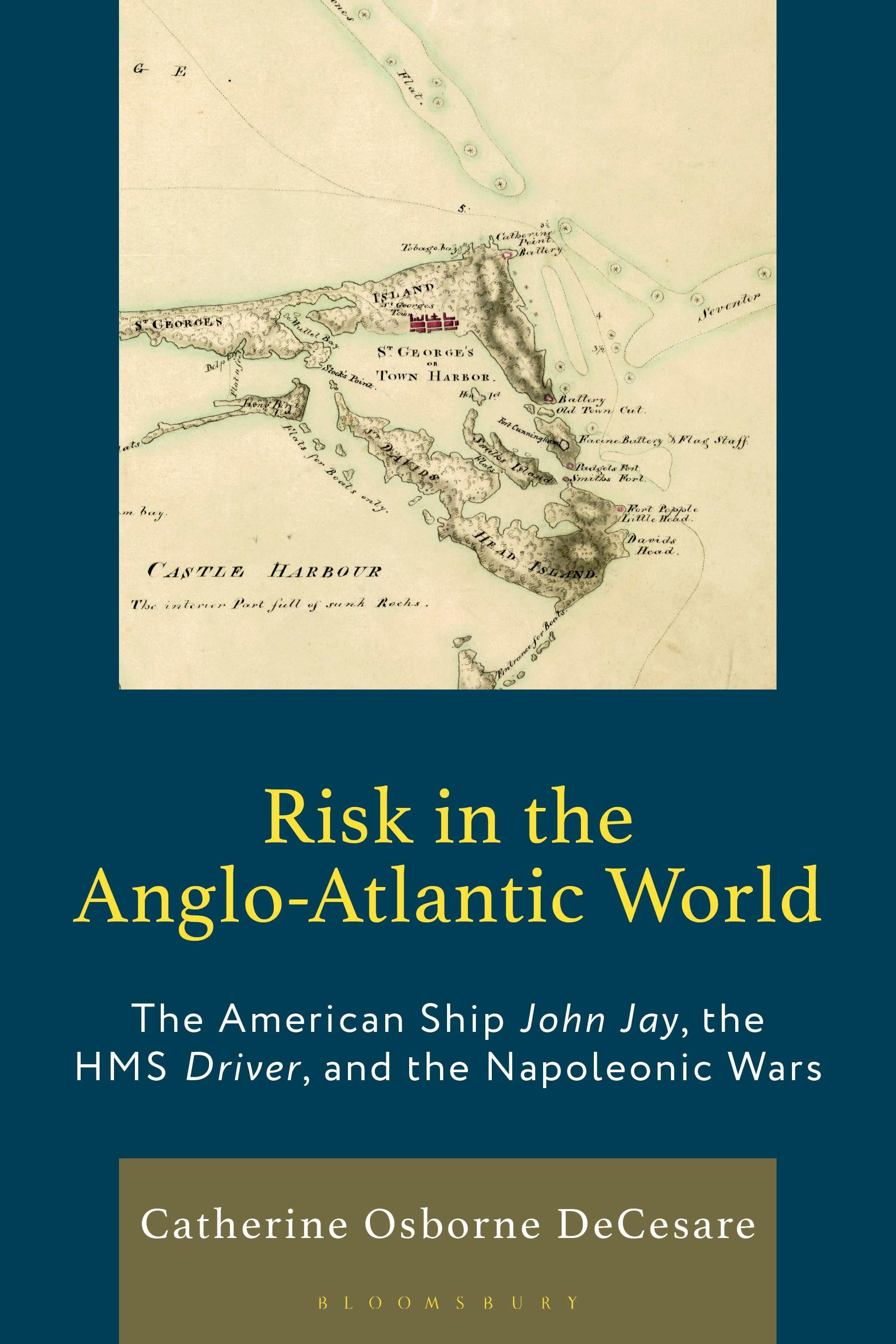
Using the experiences of the American ship, John Jay, and the British warship HMS Driver, this book recounts the various hazards faced by U.S. neutral trade vessels during the Napoleonic Wars.
The John Jay's sixth voyage (1804-1806) serves as a conduit to examine political and legal issues faced by United States neutral vessels navigating uncertain seas made worse by the volatility of the Napoleonic Wars. While the Driver and the John Jay reflected their respective nation's perspectives and identity, together they illustrate the ambiguities of the times in which they sailed. Their actions, and the consequences of those actions, intentional and unintentional, represented continuity in the Anglo-Atlantic.
Situating the ship within the larger geopolitical world, Catherine Osborne DeCesare traces the history of the John Jay to demonstrate how Americans were impacted by the natural hazards of wind, weather, and water; by the economic difficulties of maritime trade during wartime; and by the complexity and ambiguity of domestic policy, international relations, and war. The global conflict between Britain and France led to the seizure of the John Jay as a prize of war, the subsequent Vice Admiralty case in Bermuda, and an appeal to the High Court of Admiralty in London. This work makes visible the struggles and risks faced by ordinary people during the nineteenth century. Although the U.S. broke its imperial ties with Britain, this history illustrates continuity in the Anglo-Atlantic World.
The John Jay's sixth voyage (1804-1806) serves as a conduit to examine political and legal issues faced by United States neutral vessels navigating uncertain seas made worse by the volatility of the Napoleonic Wars. While the Driver and the John Jay reflected their respective nation's perspectives and identity, together they illustrate the ambiguities of the times in which they sailed. Their actions, and the consequences of those actions, intentional and unintentional, represented continuity in the Anglo-Atlantic.
Situating the ship within the larger geopolitical world, Catherine Osborne DeCesare traces the history of the John Jay to demonstrate how Americans were impacted by the natural hazards of wind, weather, and water; by the economic difficulties of maritime trade during wartime; and by the complexity and ambiguity of domestic policy, international relations, and war. The global conflict between Britain and France led to the seizure of the John Jay as a prize of war, the subsequent Vice Admiralty case in Bermuda, and an appeal to the High Court of Admiralty in London. This work makes visible the struggles and risks faced by ordinary people during the nineteenth century. Although the U.S. broke its imperial ties with Britain, this history illustrates continuity in the Anglo-Atlantic World.
Payez facilement par carte, Klarna, Apple Pay ou Google Pay. Pas satisfait ? Vous avez toujours une garantie de remboursement de 14 jours. En savoir plus dans nos conditions. Si vous avez des questions, envoyez-nous un e-mail à hello@memmo.org.
Memmo facilite tes études, où que tu sois dans le monde. On rassemble tes manuels de cours et des outils d'étude intelligents au même endroit : résumés, quiz, podcasts et flashcards. Et il y a Ted, ton compagnon d'étude qui répond à toutes tes questions. Plus de 50 000 étudiants étudient déjà ici – conçu pour t'aider à apprendre plus vite et à moins stresser.