
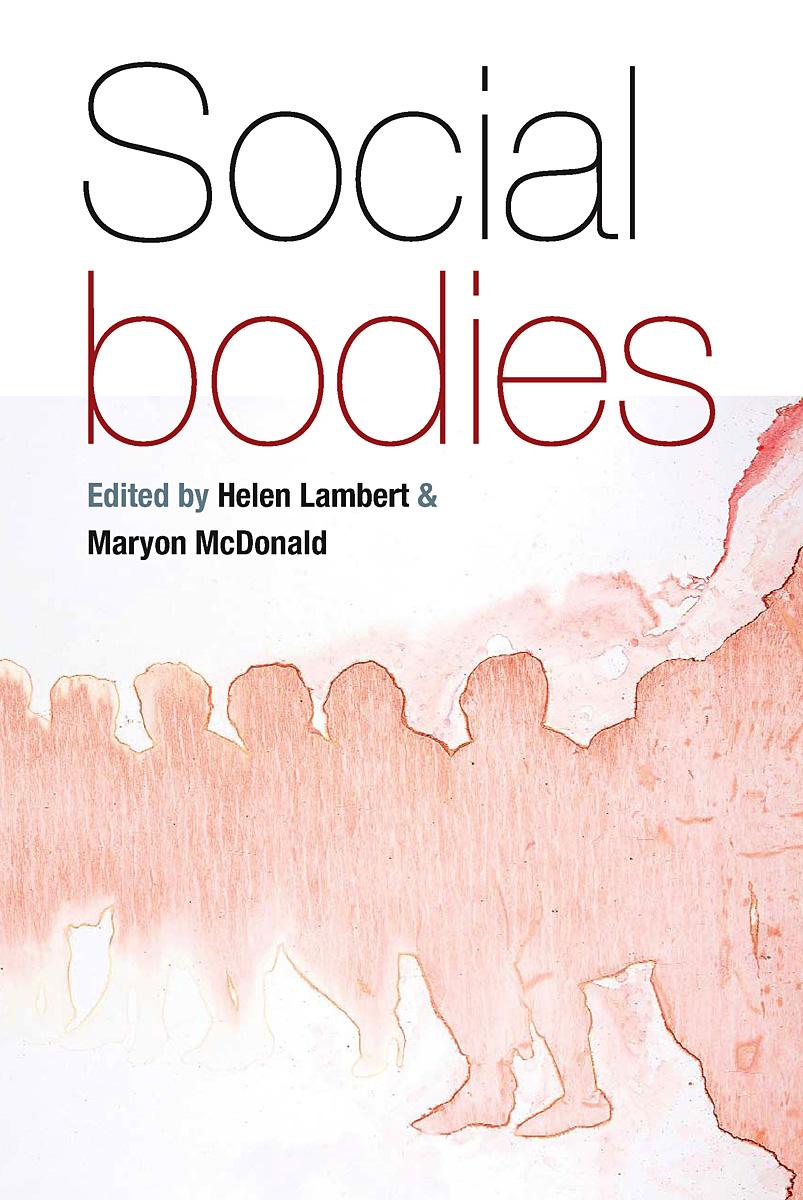
A proliferation of press headlines, social science texts and “ethical” concerns about the social implications of recent developments in human genetics and biomedicine have created a sense that, at least in European and American contexts, both the way we treat the human body and our attitudes towards it have changed.
This volume asks what really happens to social relations in the face of new types of transaction – such as organ donation, forensic identification and other new medical and reproductive technologies - that involve the use of corporeal material. Drawing on comparative insights into how human biological material is treated, it aims to consider how far human bodies and their components are themselves inherently “social.”
The case studies – ranging from animal-human transformations in Amazonia to forensic reconstruction in post-conflict Serbia and the treatment of Native American specimens in English museums – all underline that, without social relations, there are no bodies but only “human remains.” The volume gives us new and striking ethnographic insights into bodies as sociality, as well as a potentially powerful analytical reconsideration of notions of embodiment. It makes a novel contribution, too, to “science and society” debates.
Payez facilement par carte, Klarna, Apple Pay ou Google Pay. Pas satisfait ? Vous avez toujours une garantie de remboursement de 14 jours. En savoir plus dans nos conditions. Si vous avez des questions, envoyez-nous un e-mail à hello@memmo.org.
Memmo facilite tes études, où que tu sois dans le monde. On rassemble tes manuels de cours et des outils d'étude intelligents au même endroit : résumés, quiz, podcasts et flashcards. Et il y a Ted, ton compagnon d'étude qui répond à toutes tes questions. Plus de 50 000 étudiants étudient déjà ici – conçu pour t'aider à apprendre plus vite et à moins stresser.