
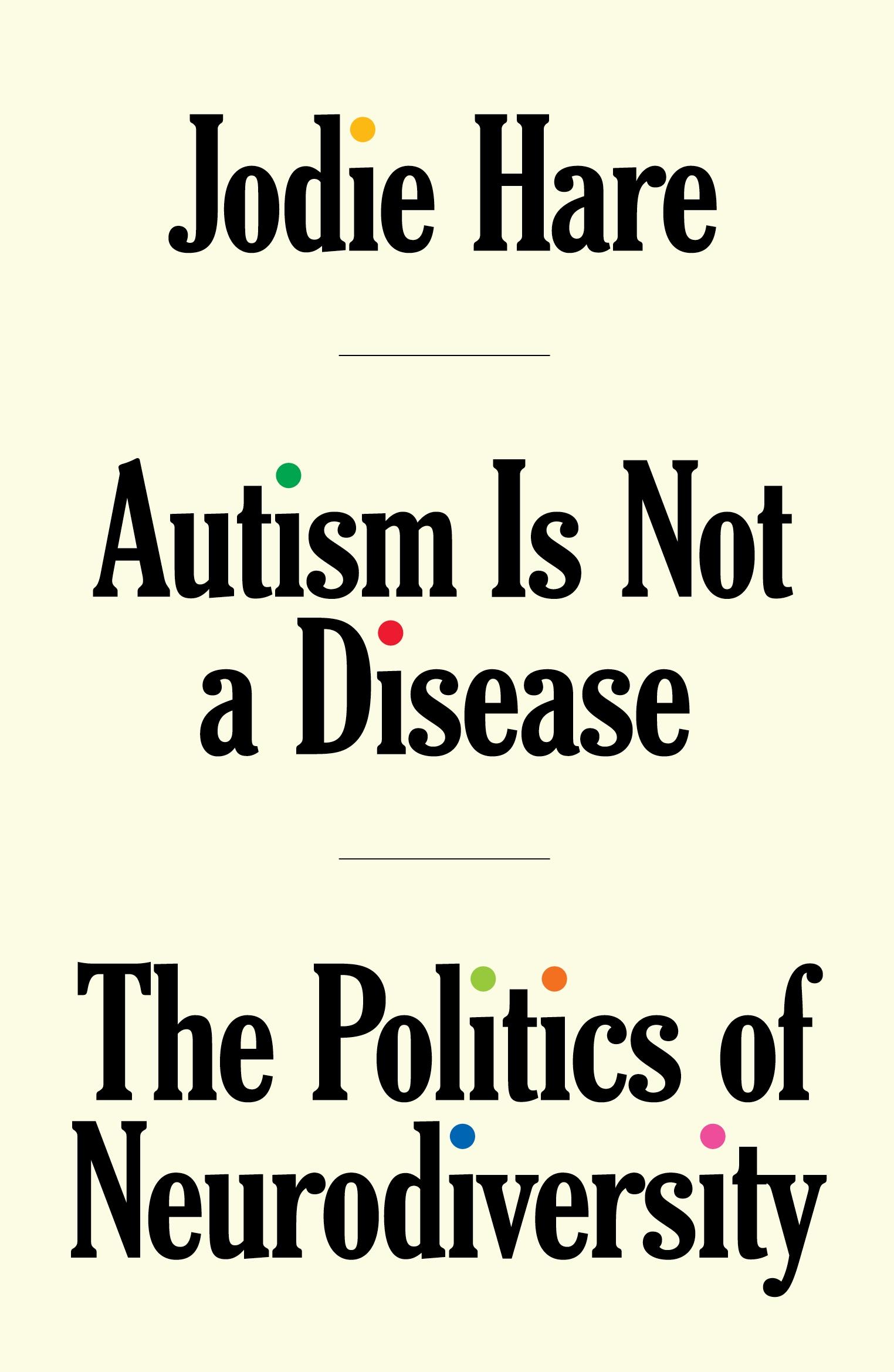
Neurodiversity is one of the most urgent political issues of our time. As the number of diagnoses of autism, ADHD, and other types of neurodivergence rises, we are starting to understand that there is no such thing as a 'normal' brain. But society is still organised around neuronormativity, and autism is treated as a disease.
Jodie Hare, diagnosed with autism at twenty-three, argues it is time to redefine the politics of who we are. She calls for the recognition of diversity as part of natural variation, rather than a departure from sameness. This will have an impact on the places where we learn, work, and socialise - and Hare shows how these can be adapted to be more inclusive and accessible. She shows how we might commit to building a world where we can all thrive, one that works to combat discrimination based on race, class, gender, and disability.
Jodie Hare, diagnosed with autism at twenty-three, argues it is time to redefine the politics of who we are. She calls for the recognition of diversity as part of natural variation, rather than a departure from sameness. This will have an impact on the places where we learn, work, and socialise - and Hare shows how these can be adapted to be more inclusive and accessible. She shows how we might commit to building a world where we can all thrive, one that works to combat discrimination based on race, class, gender, and disability.
Payez facilement par carte, Klarna, Apple Pay ou Google Pay. Pas satisfait ? Vous avez toujours une garantie de remboursement de 14 jours. En savoir plus dans nos conditions. Si vous avez des questions, envoyez-nous un e-mail à hello@memmo.org.
Memmo facilite tes études, où que tu sois dans le monde. On rassemble tes manuels de cours et des outils d'étude intelligents au même endroit : résumés, quiz, podcasts et flashcards. Et il y a Ted, ton compagnon d'étude qui répond à toutes tes questions. Plus de 50 000 étudiants étudient déjà ici – conçu pour t'aider à apprendre plus vite et à moins stresser.
Tu pourrais aussi aimer
Acheter le livre0