
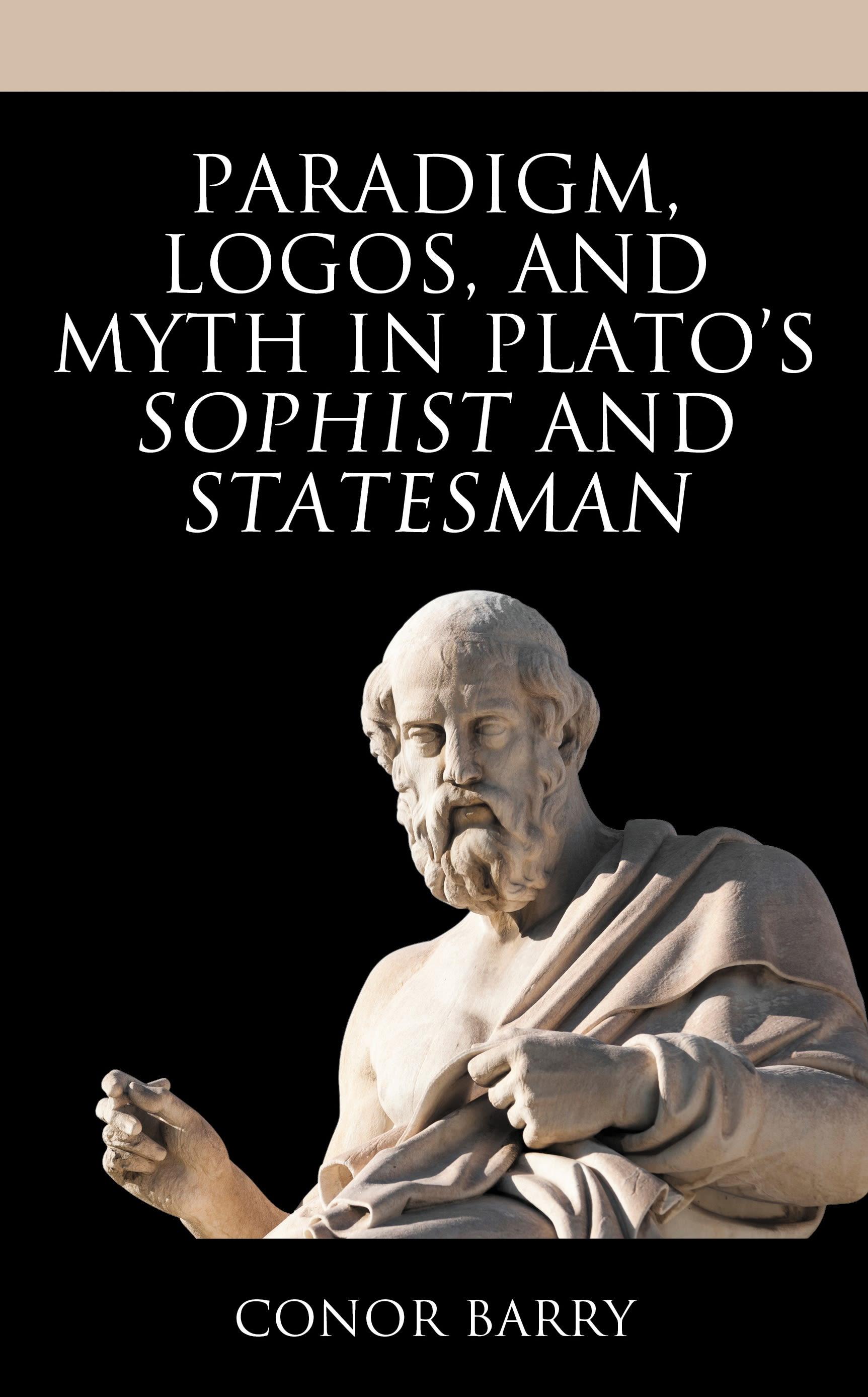
In a sustained study of the Sophist and Statesman, this book explores the use of paradigm, logos, and myth. Plato introduces in these dialogues the term “paradigm” to signify an image or model that can be used to yield insight into higher, ethical realities that are themselves beyond direct visual portrayal. He employs the term to signify an inductive example that can be defined. Finally, Plato shows how to rework existing narrative and myth to an ethically appropriate end. Since this exercise in the Statesman is described as training in dialectic, in Paradigm, Logos, and Myth in Plato's Sophist and Statesman Conor Barry demonstrates how these later works expand the compass of dialectic beyond narrow conceptions that restrict the scope of dialectic to the use of logical techniques. Rather, dialectic is the practice of dialogue as portrayed in the Platonic dialogues, which can involve appeal to analogies and figurative expressions in the search for an understanding of the ethical good. Plato’s dialogues, as works of literary art, aim to lead people to seek such understanding. Nevertheless, insofar as the dialogues are themselves artistic productions, they must also be objects of critical scrutiny and questioning.
Payez facilement par carte, Klarna, Apple Pay ou Google Pay. Pas satisfait ? Vous avez toujours une garantie de remboursement de 14 jours. En savoir plus dans nos conditions. Si vous avez des questions, envoyez-nous un e-mail à hello@memmo.org.
Memmo facilite tes études, où que tu sois dans le monde. On rassemble tes manuels de cours et des outils d'étude intelligents au même endroit : résumés, quiz, podcasts et flashcards. Et il y a Ted, ton compagnon d'étude qui répond à toutes tes questions. Plus de 50 000 étudiants étudient déjà ici – conçu pour t'aider à apprendre plus vite et à moins stresser.