
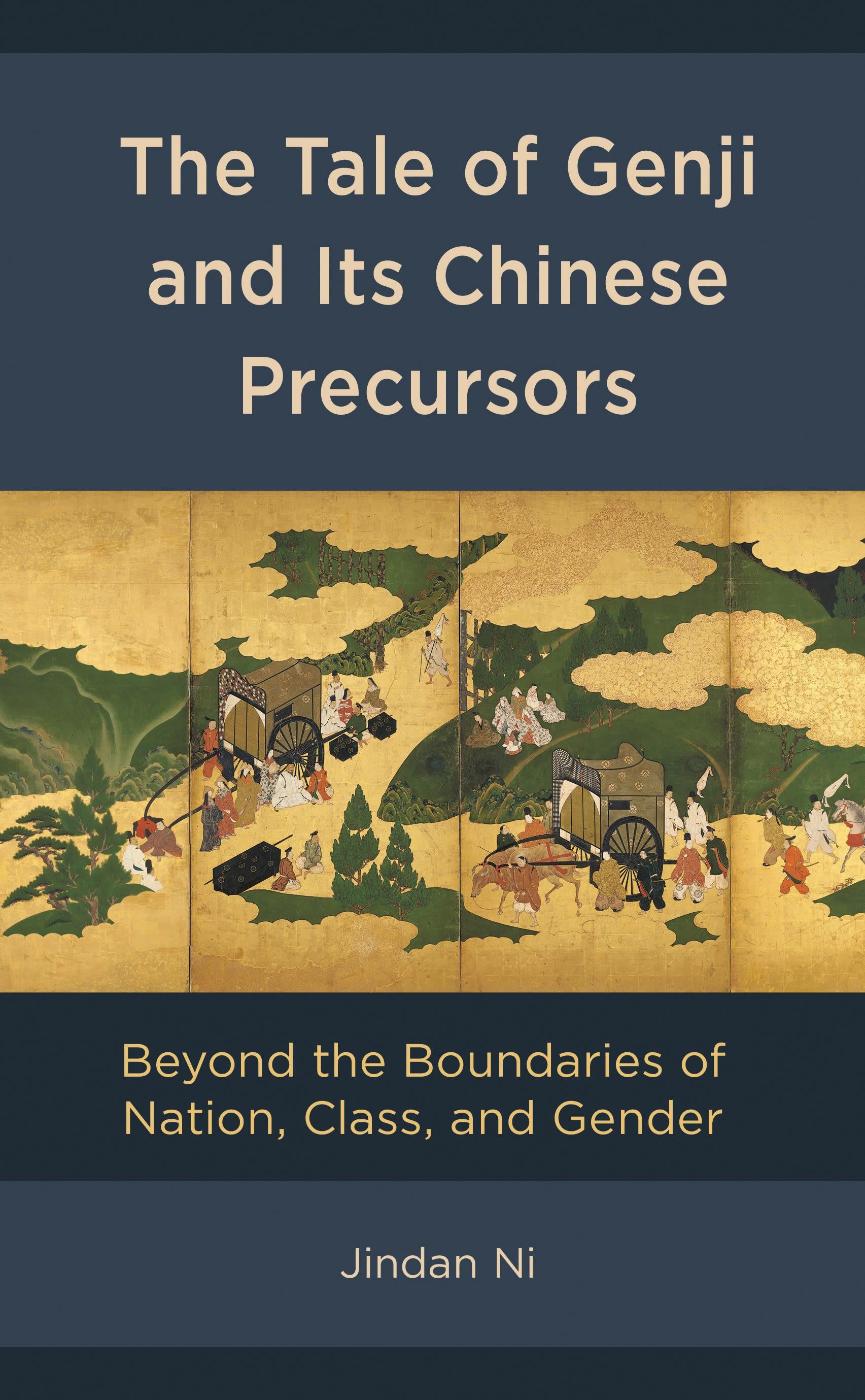
In The Tale of Genji and Its Chinese Precursors: Beyond the Boundaries of Nation, Class, and Gender, Jindan Ni departs from a “nativist” tradition which views The Tale of Genji as epitomizing an exclusively Japanese aesthetic distinct from Chinese influence and Buddhist values. Ni contests the traditional focus on Japanese essentialism by detailing the impact of Chinese literary forms and presenting the Japanese Heian Court as a site of dynamic and complex literary interchange. Combining close reading, the archival work of Japanese and Chinese scholars, and comparative literary theory, Ni argues that Murasaki Shikibu avoided the constraint of a single literary tradition by drawing on Chinese intertexts. Ni’s account reveals the heterogeneity that makes The Tale of Genji a masterpiece with enduring appeal.
Payez facilement par carte, Klarna, Apple Pay ou Google Pay. Pas satisfait ? Vous avez toujours une garantie de remboursement de 14 jours. En savoir plus dans nos conditions. Si vous avez des questions, envoyez-nous un e-mail à hello@memmo.org.
Memmo facilite tes études, où que tu sois dans le monde. On rassemble tes manuels de cours et des outils d'étude intelligents au même endroit : résumés, quiz, podcasts et flashcards. Et il y a Ted, ton compagnon d'étude qui répond à toutes tes questions. Plus de 50 000 étudiants étudient déjà ici – conçu pour t'aider à apprendre plus vite et à moins stresser.