
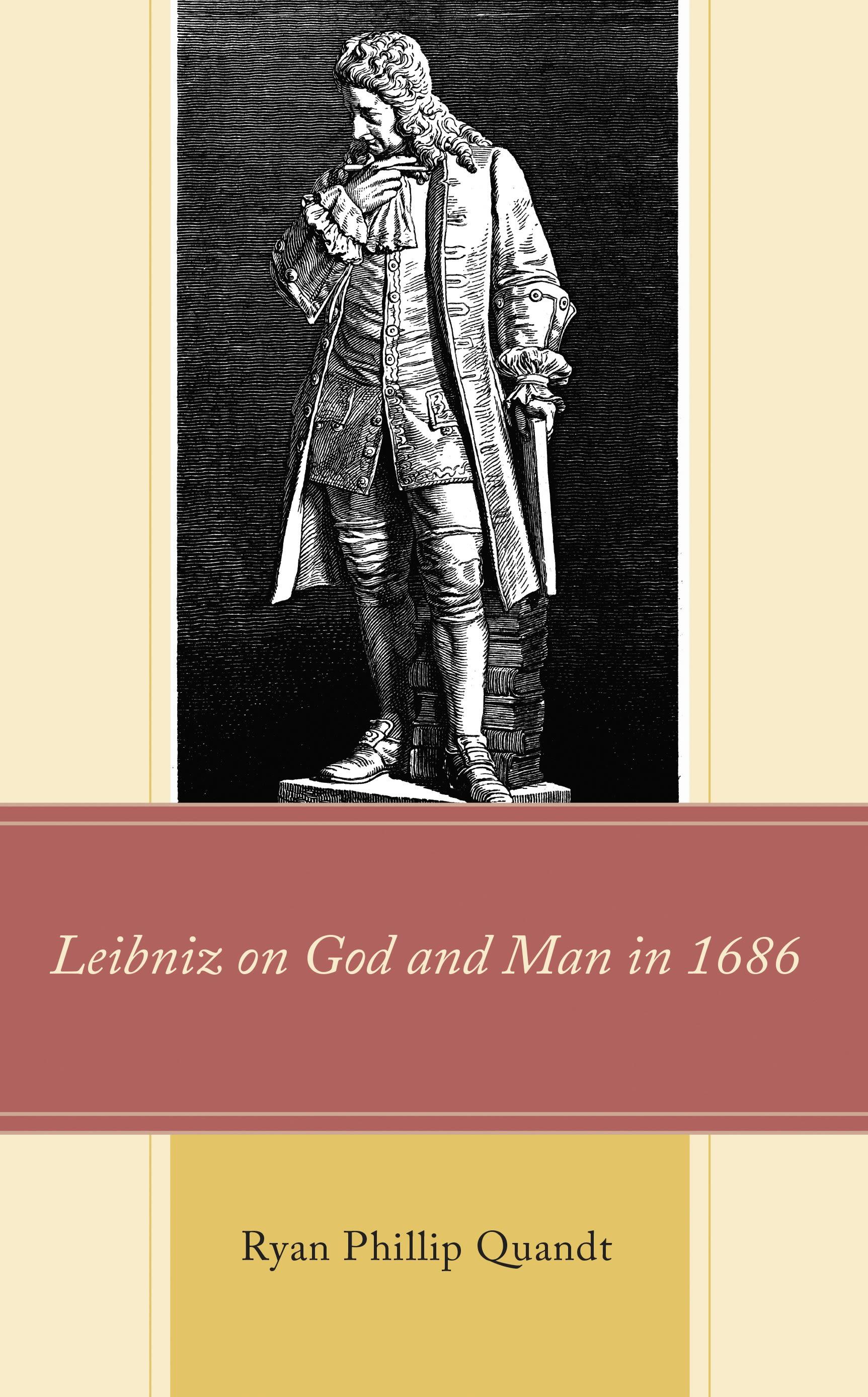
G. W. Leibniz’s Discourse on Metaphysics is viewed by many scholars as a milestone of his mature thought—his first attempt to systematize various stances. A lengthier, theological work, Examination of the Christian Religion, written a few months after, receives less press. While Leibniz’s intent for writing the theological piece may be left for speculation, Leibniz on God and Man in 1686 demonstrates that there is clear overlap between these two texts. Leibniz borrows from the metaphysics and physics of Discourse in his theology, and he writes that his metaphysical tract addresses “questions on grace, God’s concourse with creatures, the nature of miracles, the cause of sin and the origin of evil, the immortality of the soul, ideas, etc.” Despite challenges for drawing them close, Ryan Phillip Quandt argues that these texts converge in the moral quality of God and man that Leibniz took as the cornerstone of his system in 1686. Discourse coheres in a moral and scientific vision, while Examination centers on moral commitments. Love of God is their shared ideal.
Payez facilement par carte, Klarna, Apple Pay ou Google Pay. Pas satisfait ? Vous avez toujours une garantie de remboursement de 14 jours. En savoir plus dans nos conditions. Si vous avez des questions, envoyez-nous un e-mail à hello@memmo.org.
Memmo facilite tes études, où que tu sois dans le monde. On rassemble tes manuels de cours et des outils d'étude intelligents au même endroit : résumés, quiz, podcasts et flashcards. Et il y a Ted, ton compagnon d'étude qui répond à toutes tes questions. Plus de 50 000 étudiants étudient déjà ici – conçu pour t'aider à apprendre plus vite et à moins stresser.