
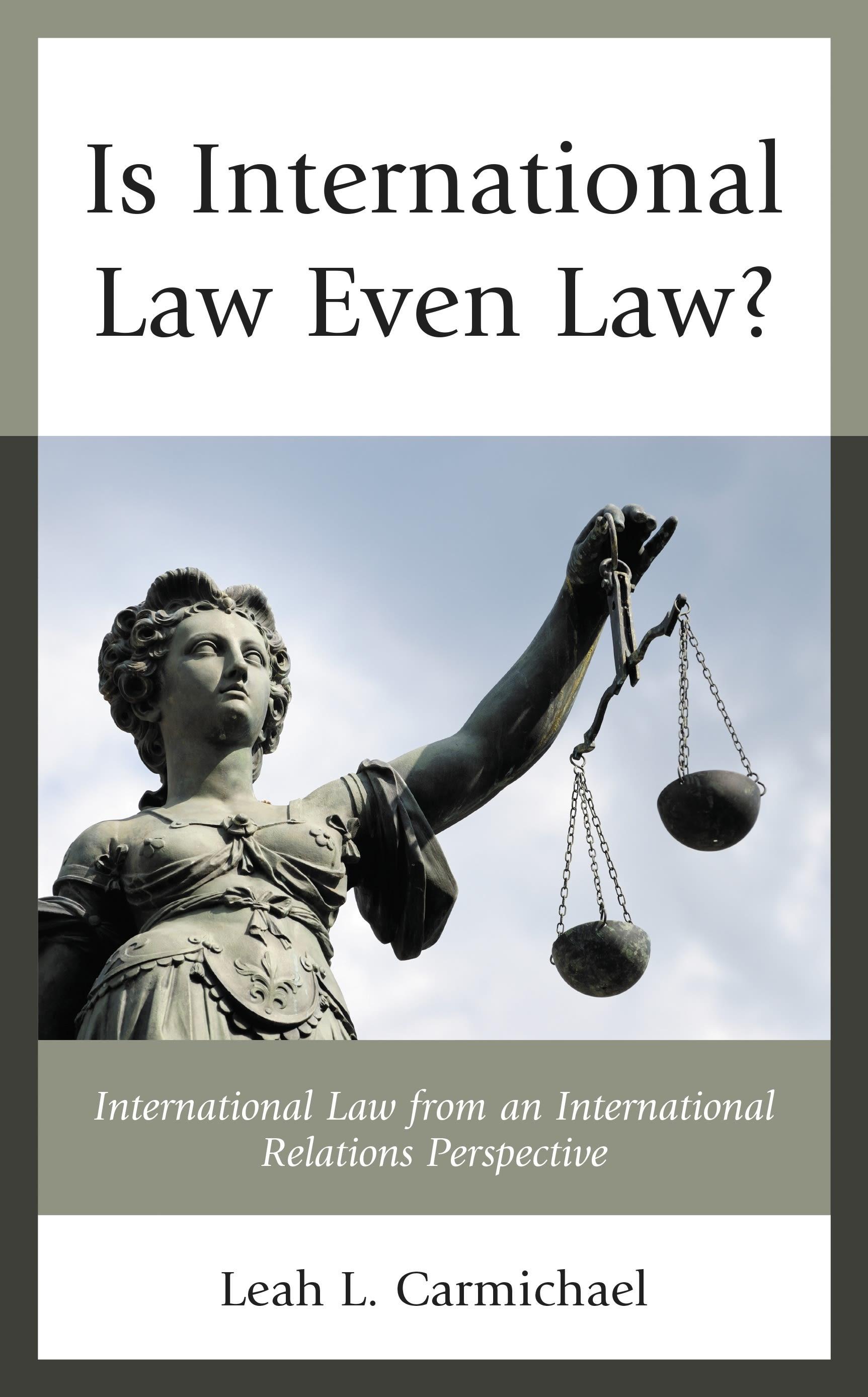
International law is so fundamentally distinct from domestic law that some even question whether it is the law at all. Unlike domestic law, in which the state can create, enforce, and interpret the laws, there is no higher authority above states in international law. As a result, states serve as both creators, enforcers, and adjudicators of international law and are subject to it. Most confoundingly, even though there is no higher authority than states in the international system, states tend to comply with international law most of the time. Further, when they do violation international law, they go to great lengths to defend their actions as within compliance with the law. To understand when and why states treat international “law” as the law in our international system, one must understand both the components of a sound legal argument and the political motivations shaping how laws are created, when they are followed, and when they are ignored.
Payez facilement par carte, Klarna, Apple Pay ou Google Pay. Pas satisfait ? Vous avez toujours une garantie de remboursement de 14 jours. En savoir plus dans nos conditions. Si vous avez des questions, envoyez-nous un e-mail à hello@memmo.org.
Memmo facilite tes études, où que tu sois dans le monde. On rassemble tes manuels de cours et des outils d'étude intelligents au même endroit : résumés, quiz, podcasts et flashcards. Et il y a Ted, ton compagnon d'étude qui répond à toutes tes questions. Plus de 50 000 étudiants étudient déjà ici – conçu pour t'aider à apprendre plus vite et à moins stresser.