
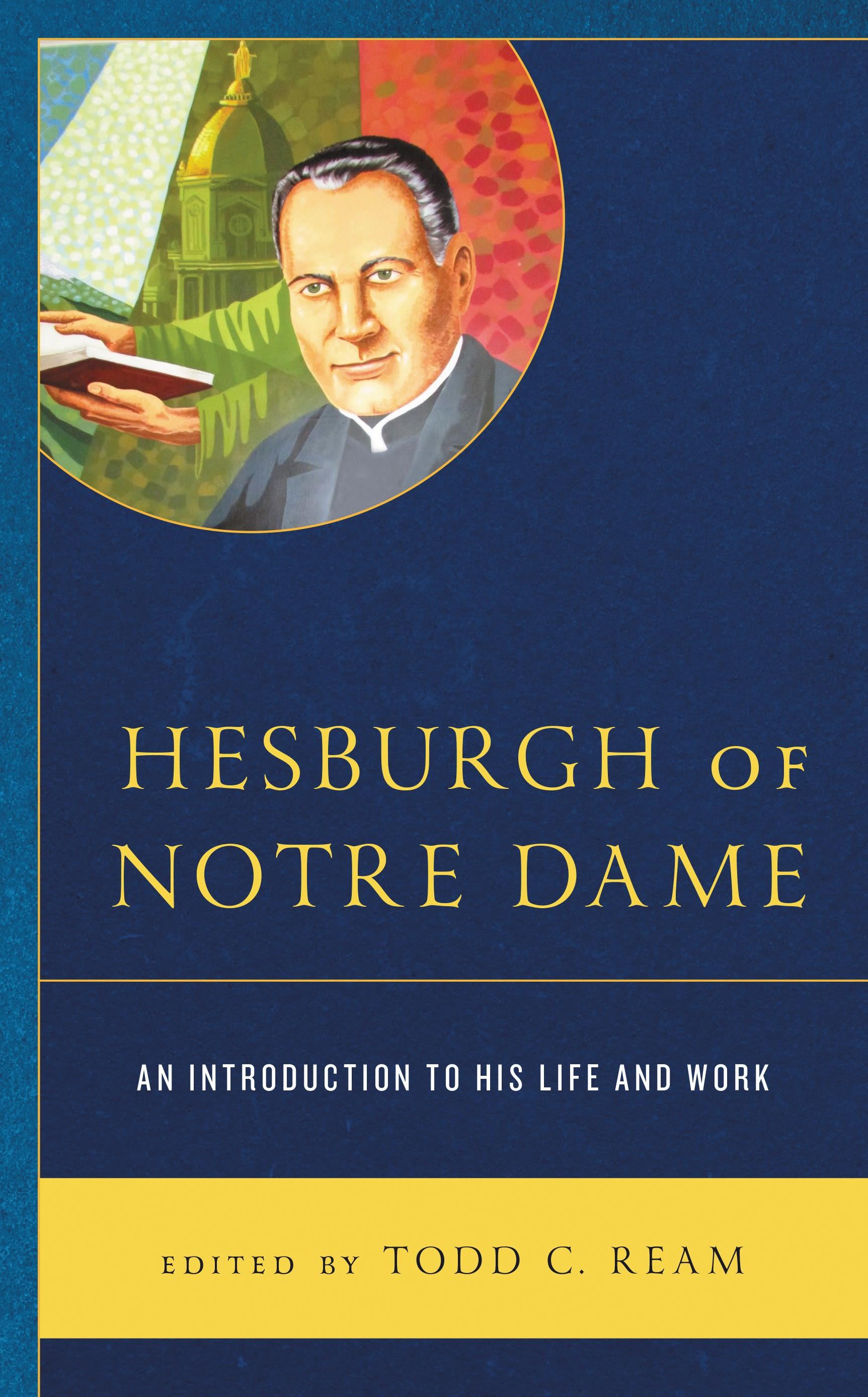
Theodore Martin Hesburgh, C.S.C. (1917-2015) was the most widely recognized priest and university president of the twentieth century.
His tenure as the leader of the University of Notre Dame not only spanned 35 years (1952-1987) but also arched across the most tumultuous era in the history of higher education—the late 1960s through the early 1970s.
During those years, the university’s faculty grew from 350 to 950, enrollment climbed from 4,979 to 9,600, the annual operating budget went from $9.7 million to $176 million, the endowment jumped from $9 million to $350 million, and funding for research soared from $735,000 to $15 million. Over 40 new buildings were also added during his presidency.
As a public intellectual, Hesburgh also invested in the debates that defined the mid to late twentieth century. At a time when such intellectuals were in retreat, Hesburgh contributed to policy efforts related to science and technology, civil and human rights, and foreign relations and peace. At the core of his commitment to those issues was his vocation as a priest and his belief in serving as a mediator between heaven and earth.
Assessing Hesburgh’s legacy, however, is difficult due to the lack of concise ways to access his thought and the nature of his contributions. By highlighting his own words, this volume fills that void by offering insights into how he transformed the University of Notre Dame and addressed the pressing debates of his day.
His tenure as the leader of the University of Notre Dame not only spanned 35 years (1952-1987) but also arched across the most tumultuous era in the history of higher education—the late 1960s through the early 1970s.
During those years, the university’s faculty grew from 350 to 950, enrollment climbed from 4,979 to 9,600, the annual operating budget went from $9.7 million to $176 million, the endowment jumped from $9 million to $350 million, and funding for research soared from $735,000 to $15 million. Over 40 new buildings were also added during his presidency.
As a public intellectual, Hesburgh also invested in the debates that defined the mid to late twentieth century. At a time when such intellectuals were in retreat, Hesburgh contributed to policy efforts related to science and technology, civil and human rights, and foreign relations and peace. At the core of his commitment to those issues was his vocation as a priest and his belief in serving as a mediator between heaven and earth.
Assessing Hesburgh’s legacy, however, is difficult due to the lack of concise ways to access his thought and the nature of his contributions. By highlighting his own words, this volume fills that void by offering insights into how he transformed the University of Notre Dame and addressed the pressing debates of his day.
Payez facilement par carte, Klarna, Apple Pay ou Google Pay. Pas satisfait ? Vous avez toujours une garantie de remboursement de 14 jours. En savoir plus dans nos conditions. Si vous avez des questions, envoyez-nous un e-mail à hello@memmo.org.
Memmo facilite tes études, où que tu sois dans le monde. On rassemble tes manuels de cours et des outils d'étude intelligents au même endroit : résumés, quiz, podcasts et flashcards. Et il y a Ted, ton compagnon d'étude qui répond à toutes tes questions. Plus de 50 000 étudiants étudient déjà ici – conçu pour t'aider à apprendre plus vite et à moins stresser.