
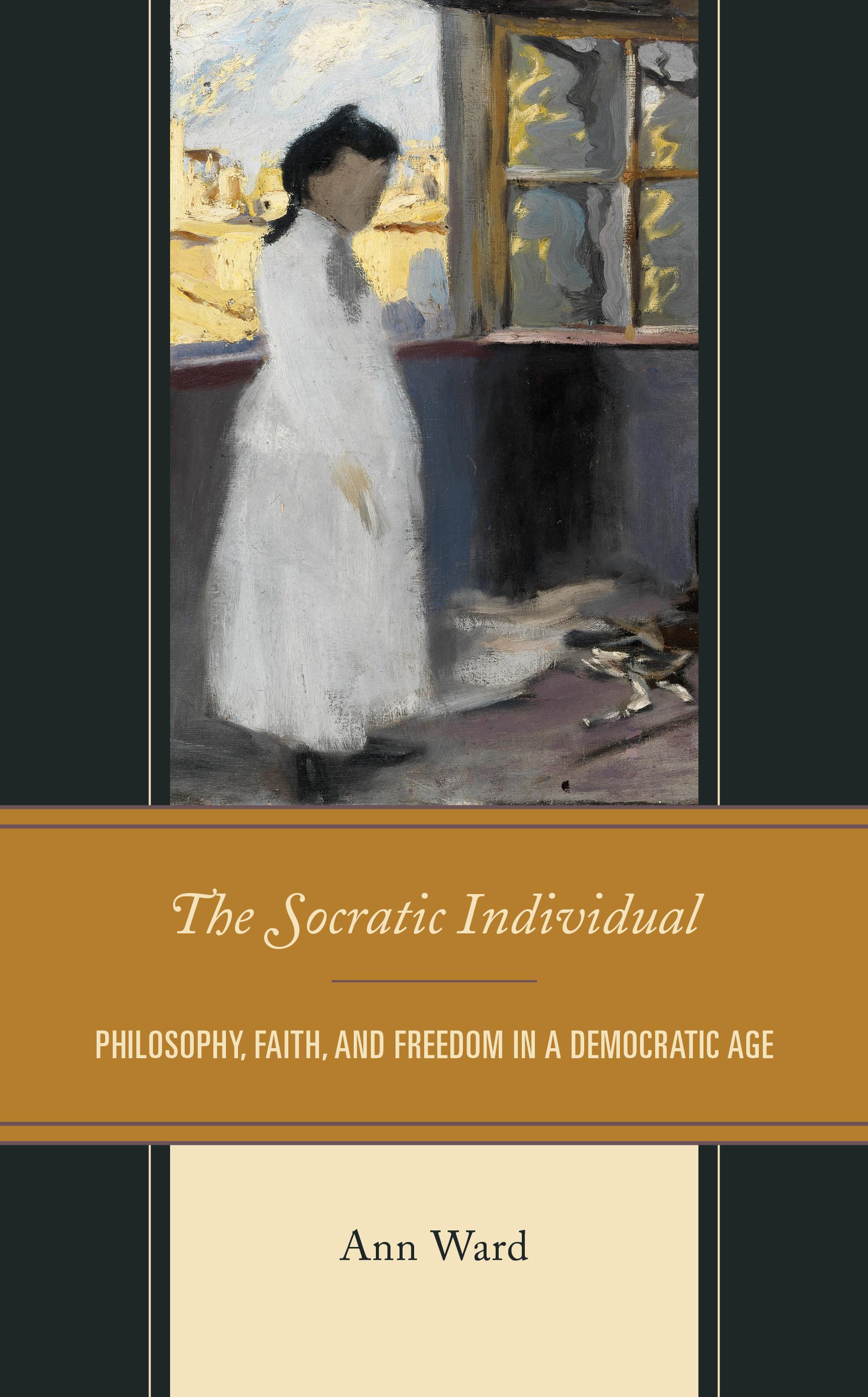
The author explores the recovery of Socratic philosophy in the political thought of G.W.F. Hegel, Soren Kierkegaard, John Stuart Mill, and Friedrich Nietzsche. Ward identifies the cause of the renewed interest in Socrates in Hegel’s call for the absorption of the individual within the modern, liberal state and the concomitant claim that Socratic skepticism should cease because history has reached its end and perfection. Recoiling from Hegel’s attempt to chain the individual within the “cave,” nineteenth century thinkers push back against his deification of the state. Yet, underlying Kierkegaard, Mill and Nietzsche’s turn to Socrates is their acceptance of Hegel’s critique of the liberal conception of the rights-bearing individual. Like Hegel, they agree that such an individual is an unworthy competitor to the state. In search of a noble individual to hold up against the state and counter the belief in the “end” of history, Kierkegaard, Mill and Nietzsche bring back and transform Socrates in significant ways. For Kierkegaard the Socratic philosopher in modern times is the person of faith, for Mill the public intellectual whose idiosyncratic identity arises from the freedom of speech, and for Nietzsche the Dionysian artist. Each model the beauty of individuality in our democratic age.
Payez facilement par carte, Klarna, Apple Pay ou Google Pay. Pas satisfait ? Vous avez toujours une garantie de remboursement de 14 jours. En savoir plus dans nos conditions. Si vous avez des questions, envoyez-nous un e-mail à hello@memmo.org.
Memmo facilite tes études, où que tu sois dans le monde. On rassemble tes manuels de cours et des outils d'étude intelligents au même endroit : résumés, quiz, podcasts et flashcards. Et il y a Ted, ton compagnon d'étude qui répond à toutes tes questions. Plus de 50 000 étudiants étudient déjà ici – conçu pour t'aider à apprendre plus vite et à moins stresser.