
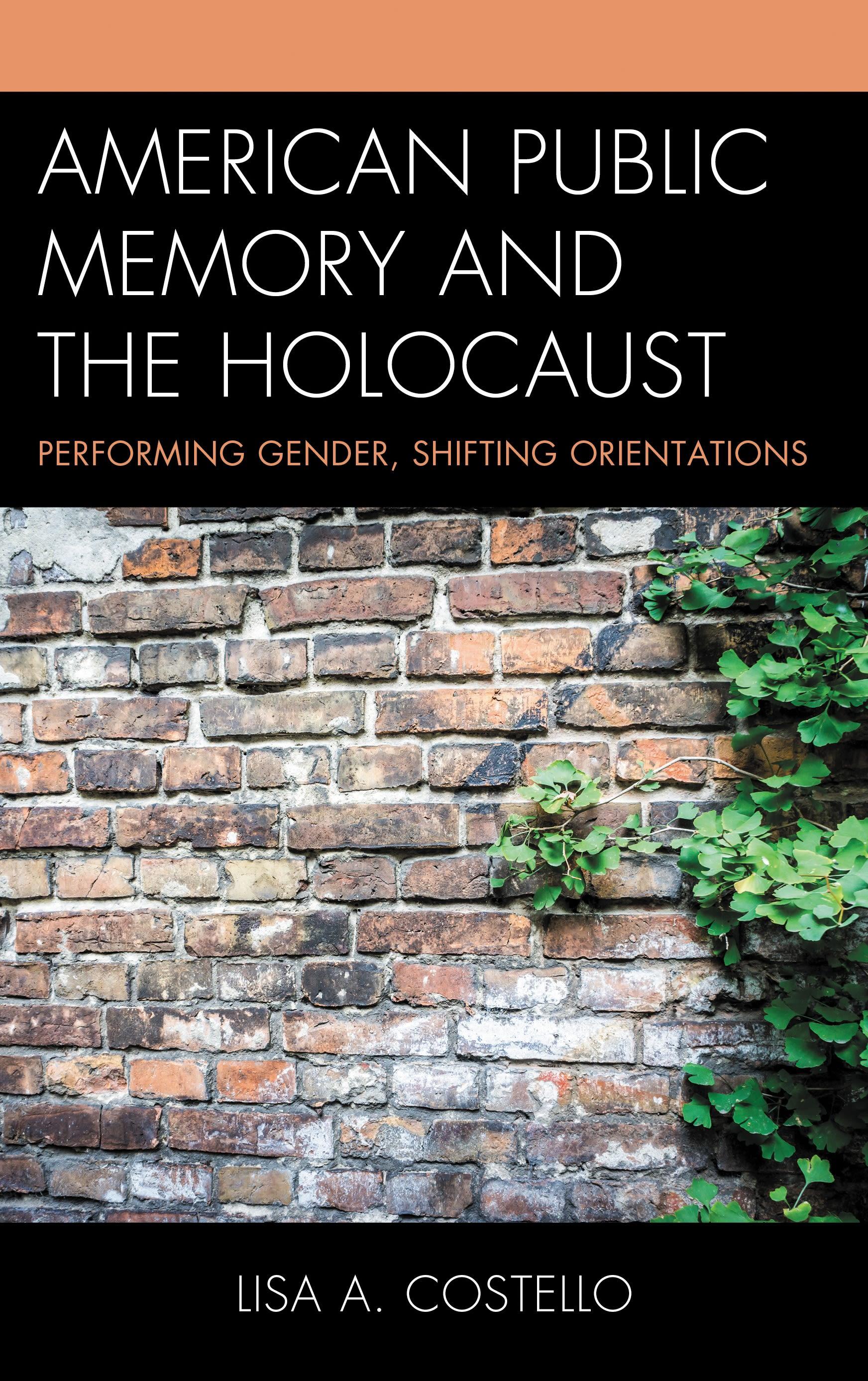
The recent rise of global antisemitism, Holocaust denial, and American white nationalism has created a dangerous challenge to Holocaust public memory on an unprecedented scale. This book is a timely exploration of the ways in which next-generation Holocaust survivors combine old and new media to bring newer generations of audiences into active engagement with Holocaust histories. Readers have been socialized to expect memorialization artifacts about the Holocaust to come in the form of diaries, memoirs, photos, or documentaries in which gender is often absent or marginalized. This book shows a complex process of remembering the past that can positively shift our orientations toward others. Using gender, performance, and rhetoric as a frame, Lisa Costello questions public memory as gender neutral while showing how new forms of memorialization like digital archives, YouTube posts, hybrid memoirs, and small films build emotional connections that bring us closer to the past.
Payez facilement par carte, Klarna, Apple Pay ou Google Pay. Pas satisfait ? Vous avez toujours une garantie de remboursement de 14 jours. En savoir plus dans nos conditions. Si vous avez des questions, envoyez-nous un e-mail à hello@memmo.org.
Memmo facilite tes études, où que tu sois dans le monde. On rassemble tes manuels de cours et des outils d'étude intelligents au même endroit : résumés, quiz, podcasts et flashcards. Et il y a Ted, ton compagnon d'étude qui répond à toutes tes questions. Plus de 50 000 étudiants étudient déjà ici – conçu pour t'aider à apprendre plus vite et à moins stresser.