
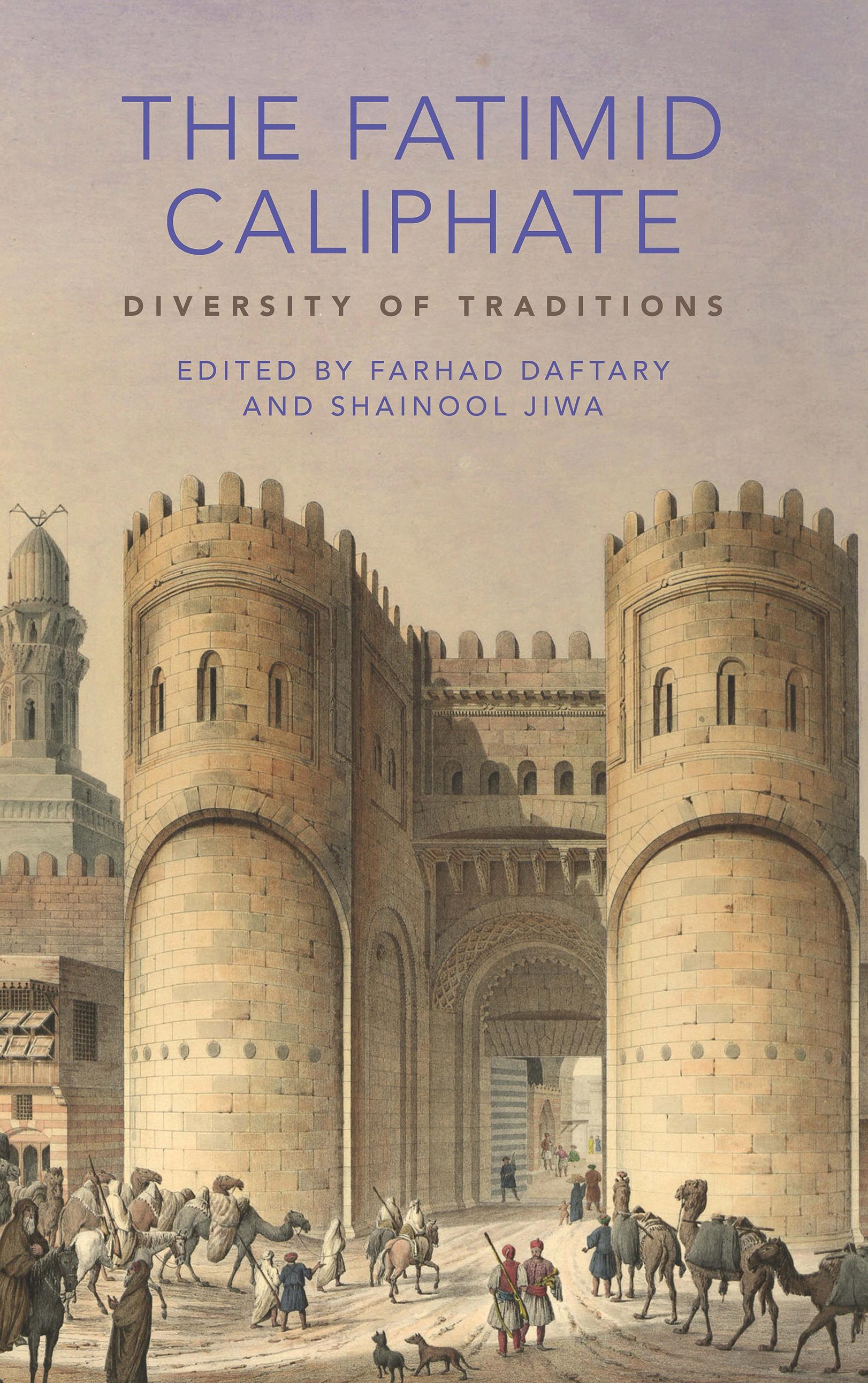
I.B.Tauris in association with the Institute of Ismaili Studies
The Fatimids ruled much of the Mediterranean world for over two centuries. From the conquest of Qayrawan in 909 to defeat at the hands of Saladin in 1171, the Fatimid caliphate governed a vast area stretching, at its peak, from the Red Sea in the East to the Atlantic Ocean in the West. Their leaders - the Ismaili Shi`i Imam-caliphs - were distinctive in largely pursuing a policy of tolerance towards the religious and ethnic communities of their realm, and they embraced diverse approaches to the practicalities of administering a vast empire. Such methods of negotiating government and diversity created a lasting pluralistic legacy.
The present volume, edited by Farhad Daftary and Shainool Jiwa, brings together a series of original contributions from a number of leading authorities in the field. Based on analyses of primary sources, the chapters shed fresh light on the impact of Fatimid rule. The book presents little explored aspects of state-society relations such as the Fatimid model of the vizierate, Sunni legal responses to Fatimid observance, and the role of women in prayer. Highlighting the distinctive nature of the Fatimid empire and its legacy, this book will be of special interest to researchers in mediaeval Islamic history and thought.
The Fatimids ruled much of the Mediterranean world for over two centuries. From the conquest of Qayrawan in 909 to defeat at the hands of Saladin in 1171, the Fatimid caliphate governed a vast area stretching, at its peak, from the Red Sea in the East to the Atlantic Ocean in the West. Their leaders - the Ismaili Shi`i Imam-caliphs - were distinctive in largely pursuing a policy of tolerance towards the religious and ethnic communities of their realm, and they embraced diverse approaches to the practicalities of administering a vast empire. Such methods of negotiating government and diversity created a lasting pluralistic legacy.
The present volume, edited by Farhad Daftary and Shainool Jiwa, brings together a series of original contributions from a number of leading authorities in the field. Based on analyses of primary sources, the chapters shed fresh light on the impact of Fatimid rule. The book presents little explored aspects of state-society relations such as the Fatimid model of the vizierate, Sunni legal responses to Fatimid observance, and the role of women in prayer. Highlighting the distinctive nature of the Fatimid empire and its legacy, this book will be of special interest to researchers in mediaeval Islamic history and thought.
Payez facilement par carte, Klarna, Apple Pay ou Google Pay. Pas satisfait ? Vous avez toujours une garantie de remboursement de 14 jours. En savoir plus dans nos conditions. Si vous avez des questions, envoyez-nous un e-mail à hello@memmo.org.
Memmo facilite tes études, où que tu sois dans le monde. On rassemble tes manuels de cours et des outils d'étude intelligents au même endroit : résumés, quiz, podcasts et flashcards. Et il y a Ted, ton compagnon d'étude qui répond à toutes tes questions. Plus de 50 000 étudiants étudient déjà ici – conçu pour t'aider à apprendre plus vite et à moins stresser.